 Skip to content
Wooden door problems in monsoon: Swelling, gaps, and quick fixes
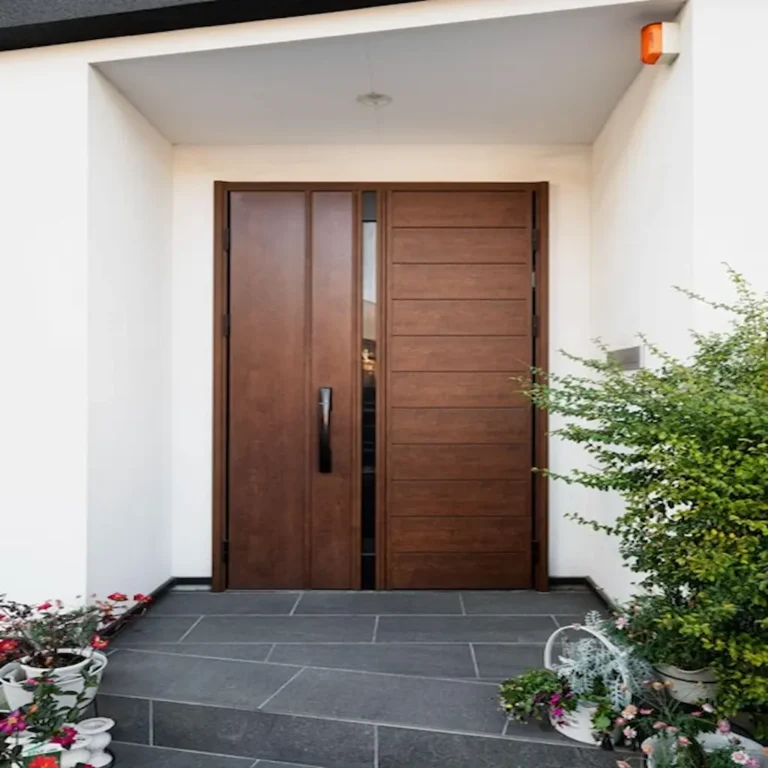
Monsoon arrives, and suddenly your wooden door turns into that one stubborn relative- it refuses to move, makes noises, gets stuck, creates gaps, or swells so much that you have to wrestle with it every morning.
The truth? Humidity is wood’s worst enemy, and monsoon simply exposes everything that wasn’t waterproofed, sealed, or maintained properly.
In this guide, we break down why your wooden door misbehaves during rains, how to fix swelling and gaps quickly, and what actually prevents the problem from coming back next year.
Why Wooden Doors Swell in Monsoon (And Why Gaps Appear Randomly)
Wood is naturally hygroscopic- it absorbs moisture from humid air. So when humidity hits 80–90% during monsoon, wood expands, especially at:
- the bottom edge
- the lock side
- hinge side (less common but possible)
- unsealed edges or end-grains
This swelling causes:
✔ Door sticking
✔ Difficulty in locking
✔ Rubbing against the frame
✔ New gaps (usually on top or hinge side)
✔ Misalignment of hinges
Gaps appear when one part of the door absorbs moisture faster than the other, causing uneven expansion.
Quick self-check:
- Does the door scrape the floor? → Bottom swelling
- Is the lock hard to close? → Expansion on lock side
- Is there a visible gap on top? → Door has lifted from hinge swelling or loose screws
- Does it jam mid-way? → Moisture + misaligned hinges. Looking for a deeper check of wooden frames and door alignment? Explore our home inspection service for structural issues before they worsen.
This basic diagnosis helps decide the right fix- not every swollen door needs sanding!
Quick DIY Fixes When the Door Gets Jammed or Swollen
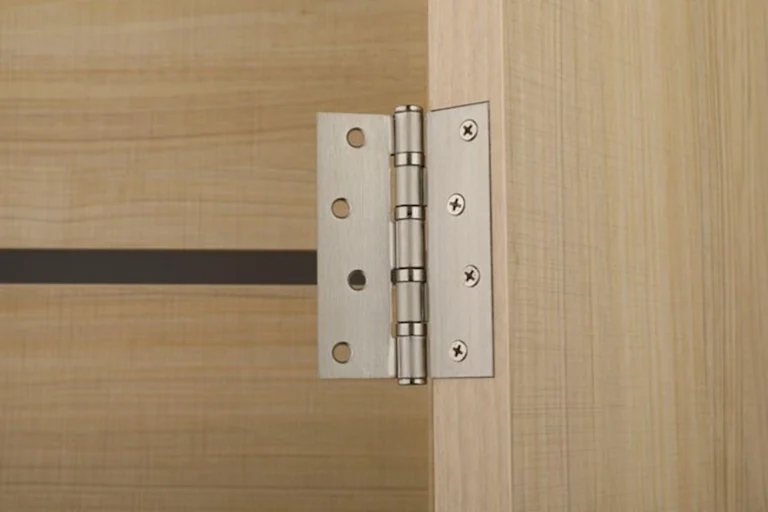
If the problem is mild, these quick fixes can give instant relief:
1. Use a Multi-Purpose Lubricant on Hinges
Sometimes the door isn’t swollen- it’s just the hinge under pressure due to humidity. A few drops of lubricant can instantly reduce friction and restore smooth movement.
2. Sand Only the High-Pressure Areas (Not the Whole Door)
Targeted sanding works well when the swelling is localised.How to check? Close the door halfway and look for where it rubs the frame. Sand just that ridge, not the entire door edge.
Warning:
Don’t sand too much- you’ll end up with a permanent gap after monsoon.
3. Tighten Loose Hinges
Humidity weakens screws. Tighten or replace them to fix alignment.
If screw holes have enlarged, insert wooden matchsticks with Fevicol and re-screw.
4. Use a “Door Gap Seal” for sudden air/light gaps
Rubber or brush-type draught excluders seal small monsoon-created gaps without carpentry work.
5. Use a Dehumidifier or Keep the Door Open
Air circulation reduces swelling within hours.
When DIY won’t work:
- If more than 5–6 mm of swelling
- If door feels heavy or uneven
- If water has seeped into the core
- If the frame is also warped
That’s when you need long-term fixes. If humidity around the frame is causing recurring issues, our bathroom renovation service can resolve moisture-heavy zones that trigger door swelling.
Long-Term Fixes: Waterproofing, Sealants, and Edge Protection
This is where the real prevention begins. Most swelling issues happen because the door edges- the most vulnerable areas- were never sealed properly.
Waterproofing Coats (Must for Monsoon Areas)
Use:
- Wood sealer (first coat)
- Exterior polyurethane varnish or melamine polish
- Oil-based primer + paint for painted doors
Re-coating every 1-2 years keeps moisture out.
Seal the End-Grains (Top & Bottom)
These are the #1 reason doors swell—because carpenters often leave them unpolished.
Seal them with:
- PU varnish
- Wood primer + paint
- Two coats of waterproof sealer
3. Fill micro-gaps around the frame
Use:
- Acrylic sealant for interior gaps
- Polyurethane sealant for exterior-exposed frames
This prevents moisture entry behind the door frame- an overlooked cause of swelling. Want the wooden frame to look fresh after sealing? Check out our wood polishing service for long-lasting protection and shine.
4. Add a Weatherstrip
Creates an airtight seal that:
- Blocks humidity
- Prevents air gaps
- Reduces swelling
Door Designs & Materials That Perform Better in Monsoon

If your door swells every single monsoon, the wood type or construction might be the problem.
Best woods for high-humidity areas:
- Teak – naturally oil-rich, highly stable
- Engineered wood door shutters – minimal swelling due to layered construction
- Oak – moderately resistant
- Laminated flush doors with hardwood frames
Avoid:
- Cheap plywood
- MDF / particle board
- Unseasoned natural wood
Design features that prevent swelling:
- Veneered or laminated surfaces
- Sealed edges
- Proper threshold gap
- Weather-proof coating
- Drip edges for external doors
If the door is very old or badly damaged, upgrading may be more cost-effective than yearly repairs. Planning a full upgrade soon? Browse our interior painting service to pair your new door with a clean, refreshed aesthetic.
When to Call a Professional Carpenter (So It Doesn’t Return Next Monsoon)
Call a pro when:
- Door has swollen more than 1 cm
- The frame has also expanded or warped
- Lock alignment cannot be corrected
- You see peeling, bubbling, or dampness on the frame
- Door is scraping deeply into tiles or floor
- Termite activity is visible (very common in monsoon)
A carpenter can do:
✔ Precision trimming (without over-cutting)
✔ Reinstalling hinges
✔ Recreating door gap symmetry
✔ Waterproof sealing
✔ Applying monsoon-grade coatings
These repairs ensure longevity, not just a one-season fix. And if damp corners or hidden moisture are attracting insects, our general pest control service helps protect doors and frames during monsoon.
Final Word – Fix the Swelling Now, Prevent It Forever
Wooden door problems in monsoon are normal, but not unavoidable. With the right diagnosis, quick fixes, proper sealing, and smart material choices, your door can stay smooth and strong even in peak humidity. If your door keeps swelling every year, it’s not because the monsoon is too harsh, it’s because the door isn’t protected correctly.
At Clean Fanatics, we help repair swollen doors, seal frames, fill gaps, correct alignment, and apply long-lasting waterproofing so your doors stay smooth through every season.
FAQ
Because humidity makes wood absorb moisture and expand.
No- sanding is temporary. Without sealing, the swelling returns.
A fresh coat every 1-2 years is ideal for humid climates.
Fix alignment, tighten hinges, and seal micro-gaps with acrylic/PU sealant.
Yes- its natural oil content makes it highly moisture-resistant.