
Moisture Mapping at Home: Simple Tools to Find Damp Behind Paint (2026 Guide)
While leaks and seepage are common, detecting their exact source can be tricky without tearing down walls. Learning to identify early signs of water damage at home—such as paint bubbles, musty smells, or unexplained wall stains—helps homeowners act before hidden moisture spreads further. That’s where moisture mapping comes in: a smart, non-invasive way to pinpoint damp spots accurately and fix them before they become major repairs.
While leaks and seepage are common, detecting their exact source can be tricky without tearing down walls. That’s where moisture mapping comes in – a smart, non-invasive way to pinpoint hidden damp spots and fix them before they become major repairs.
In this guide, we’ll explain what moisture mapping is, how to do it at home with simple tools, and how to interpret what you find.
What Is Moisture Mapping (and Why It Matters)?
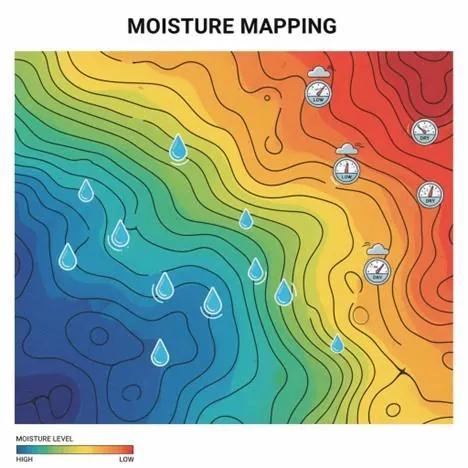
Moisture mapping is the process of locating and recording areas affected by excess moisture inside walls, ceilings, or floors. It helps you identify hidden dampness before it causes visible paint damage, mould, or plaster deterioration.
In simple terms, it’s like creating a heatmap for your wall’s health. The earlier you catch damp, the less damage it causes – saving you from repainting, waterproofing, or replastering later.
Why it’s important:
- Prevents structural damage: Dampness weakens plaster and paint adhesion.
- Improves indoor hygiene: Stops mould and bacteria growth.
- Saves repair costs: Early detection avoids deep seepage or wall cracks.
💡 Expert Insight: In most Indian homes, dampness first appears near window sills, external corners, and bathroom walls. These are the best places to start moisture testing. If dampness has already spread, schedule a quick wall crack filling service to stop further seepage before repainting.
How to Detect Hidden Dampness Behind Paint
You don’t need industrial-grade tools to begin moisture mapping – a few basic methods can reveal a lot.
Step 1: Visual Inspection
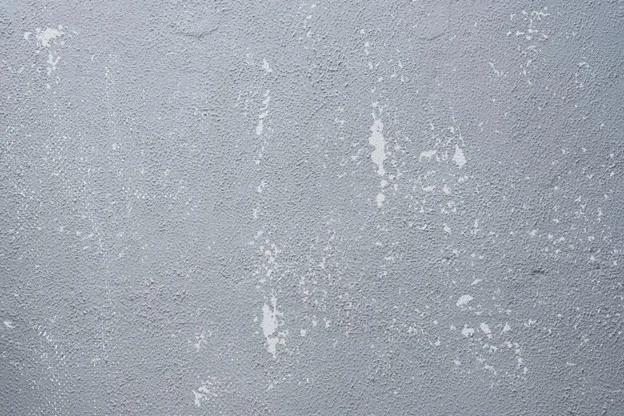
Look for common damp indicators: paint bubbling, yellow stains, plaster flakes, or dark patches that feel cooler to touch.
Step 2: Use a Moisture Meter
A handheld moisture meter gives quick readings in percentage form. Readings above 15% usually mean excess dampness. Move the sensor slowly across suspicious areas and mark spots that show high readings.
Step 3: The Aluminium Foil Test
Tape a small square of aluminium foil on the wall and leave it for 24 hours. If water droplets form on the outside, the problem is condensation. If droplets appear underneath, the moisture is coming from within the wall.
Step 4: Thermal Camera or Infrared Scanner
These advanced tools show cooler (wet) and warmer (dry) areas as color differences. They’re excellent for tracking hidden leaks, especially around ceilings or bathroom walls. You can also try our bathroom renovation service if recurring leaks are damaging your bathroom tiles or grouts.
💡 Pro Tip: Always test multiple points – moisture spreads unevenly, so one dry patch doesn’t mean the wall is fine.
Common Causes of Hidden Dampness
Once you find the damp areas, the next step is understanding why they’re wet. Here are some typical causes:
- Leaking plumbing lines: Especially behind bathrooms or kitchens.
- Cracks in external plaster or paint: Letting rain seep in through walls.
- Poor waterproofing: In terrace or balcony areas above.
- Condensation: Often mistaken for leakage in humid areas.
- Rising damp: Moisture traveling upward from the foundation due to poor damp-proofing.
Identifying the cause helps you choose the right fix – whether that’s sealing cracks, improving ventilation, or calling for a plumbing check. For exterior issues, our waterproofing service protects outer walls from rain and humidity.
How to Fix and Prevent Dampness After Mapping
Once you’ve located and confirmed moisture spots, take action fast to stop further damage.
Temporary fixes:
- Clean and dry affected walls using fans or a dehumidifier.
- Apply an anti-fungal solution if mould is visible.
Permanent solutions:
- Repair damaged plaster and reapply waterproof coating before painting.
- Replace or seal faulty plumbing.
- Improve exterior drainage around walls.
- Ensure good cross-ventilation in kitchens and bathrooms.
💡 Pro Tip: Always let walls dry completely before repainting – trapped moisture can bubble up again even under new paint layers. Need a full cleanup after wall repairs? Try our full house cleaning service to refresh your space once the work’s done.
Final Word
Moisture mapping is your home’s early warning system. With a few simple tools and a careful eye, you can catch damp spots before they become costly plaster or paint repairs.
If the readings stay high or dampness keeps returning, it’s best to call professionals for a detailed inspection. At Clean Fanatics, our experts use infrared moisture scanners and leak detection systems to map and repair damp walls without any breakage – keeping your home safe, dry, and long-lasting.
FAQs
It’s used to detect damp spots and hidden leaks in walls, ceilings, or floors before visible damage occurs.
Basic meters are 80-90% accurate for surface readings – perfect for quick home checks.
Start near windows, ceilings, and behind bathrooms or kitchens.
Yes, it usually means trapped moisture or seepage beneath the surface.
Only after the wall has dried completely and the damp source is fixed.