 Skip to content
Why Paint Peels: Moisture, Dirty Surfaces, Wrong Primers – How to Diagnose
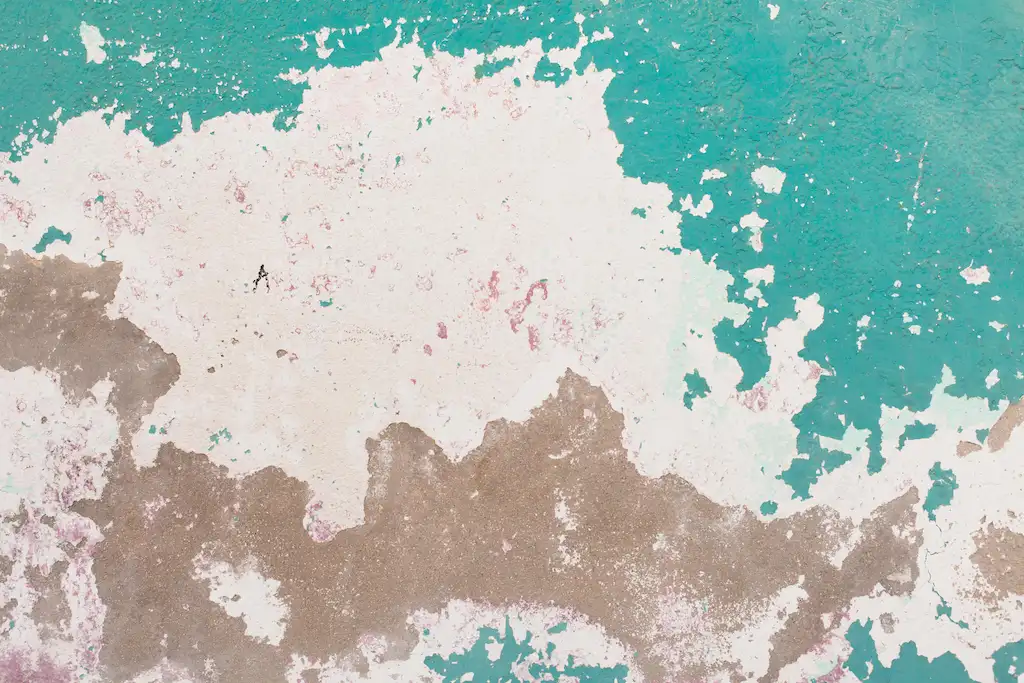
Few things are more disappointing than watching freshly painted walls begin to peel within months. That thin, curling paint film isn’t just an aesthetic problem- it’s a symptom. Beneath that peeling layer is usually a deeper issue like moisture, poor surface prep, or product mismatch.
The good news? Once you understand the cause, peeling paint is completely fixable. In this blog, we’ll walk through the top reasons why paint peels, how to spot early warning signs, and what to do to ensure your next coat of paint lasts for years.
Moisture: The Hidden Culprit Behind Most Peeling Paint
One of the most common reasons paint peels, especially in humid Indian homes, is moisture trapped behind the surface. Bathrooms, kitchens, and exterior walls that get direct rain exposure are particularly vulnerable.
When moisture seeps in through cracks, leaky pipes, or unsealed joints, it weakens the bond between paint and wall. Over time, the pressure builds up, and the paint starts bubbling, flaking, or even falling off in sheets.
How to Diagnose:
- Look for signs of dampness: discoloration, black mould spots, or soft patches on the wall.
- Check behind fixtures: especially under sinks or near window sills where condensation builds up.
- Touch test: A wall that feels cold, damp, or chalky likely has internal moisture issues.
Quick Fix & Prevention:
- Identify and fix the leak before repainting.
- Let the wall dry completely for a few days, use fans or a dehumidifier if needed.
- Apply a moisture-resistant primer (like an alkali-resistant or anti-damp base coat).
- Use washable, mould-resistant paints in humid zones like bathrooms and kitchens.
Pro tip: If your wall repeatedly peels in one spot, you might be dealing with a structural seepage issue, get it inspected before painting again. Before painting, it’s smart to repair any cracks or water damage through professional wall crack filling services to prevent future peeling.
Dirty or Greasy Surfaces: The Invisible Barrier
Paint doesn’t adhere well to a surface that isn’t clean. Dust, grease, soap scum, and cooking fumes can form a nearly invisible layer that prevents paint from sticking properly. Over time, that layer causes the paint film to lift off the wall.
This problem is especially common in kitchens and children’s rooms, where walls get touched, splashed, and stained often. Even if a surface looks clean, it might still have residue from cleaning products or old paint. To tackle stubborn grease and residue before repainting, consider a deep kitchen cleaning service that ensures perfectly prepped walls.
How to Diagnose:
- Rub a clean white cloth across the wall. If you see dirt or grease marks, it’s not ready to paint.
- Run your fingers across high-touch areas like switchboards or near stoves, they often feel slick or sticky.
Quick Fix & Prevention:
- Wash walls with mild detergent or sugar soap and let them dry completely.
- For glossy surfaces, lightly sand with fine-grit sandpaper to create texture for better paint grip.
- Avoid painting over chalky or powdery residues, wipe with a damp cloth first.
Pro tip: Using washable wall paints can make cleaning easier later and reduce the risk of peeling caused by accumulated dirt.
Wrong Primer or No Primer: The Shortcut That Backfires
Skipping primer might seem like a time-saver, but it almost always backfires. The primer helps paint adhere, seals pores, and provides a uniform surface. Without it, paint can’t form a proper bond, leading to peeling, uneven color, or patchy texture.
Using the wrong primer can also cause trouble. For instance, applying water-based paint over an oil-based primer (or vice versa) can cause peeling within months.
How to Diagnose:
- Paint that peels off in thin, flexible sheets often indicates poor primer adhesion.
- If new paint starts flaking within weeks, the wall likely wasn’t sealed properly.
- Fresh plaster walls without primer tend to absorb paint unevenly, causing visible patches.
Quick Fix & Prevention:
- Always choose a primer suitable for your surface (cement, plaster, or wood).
- For damp or humid spaces, use anti-damp or alkali-resistant primers.
- Let the primer dry completely before applying your first coat of paint. For a flawless, long-lasting finish, hire professionals for interior painting services who understand the right primer and paint pairing for your walls.
Pro tip: If you’re unsure which primer suits your wall, consult a professional or check your paint brand’s recommended product pairing, it ensures better bonding and longevity.
Environmental & Application Errors: When Conditions Turn Against You
Even if you use the best paint and primer, environmental conditions can make or break your results. Factors like humidity, temperature, and wall dryness play a huge role in whether your paint adheres properly.
Painting in extreme humidity traps moisture under the surface, while painting in direct sunlight can cause the top layer to dry too fast, leaving the underlayer soft and prone to peeling. Applying too many coats without letting each dry properly can also lead to bubbling.
How to Diagnose:
- Bubbling or blistering paint soon after application usually means trapped moisture.
- Cracking or chalking can occur when the wall was painted under intense sunlight.
- Uneven sheen or blotchiness indicates the paint didn’t cure evenly.
Quick Fix & Prevention:
- Always paint when humidity is moderate and temperatures are between 10°C-35°C.
- Allow each coat to dry for the time recommended on the paint label.
- Avoid painting over damp plaster, wait until it’s fully cured. If you’re revamping your interiors, complement fresh walls with marble polishing services to make your space look completely renewed.
- If possible, ventilate the space during painting to help paint cure evenly.
Pro tip: Investing in professional painters who understand environmental prep can save you from repeated peeling and repainting costs.
Final Word: Painting That Lasts Starts Beneath the Surface
Peeling paint isn’t just a surface flaw, it’s a message from your walls telling you something deeper needs fixing. Whether it’s moisture, poor prep, or product mismatch, every cause has a solution once diagnosed correctly.
By understanding these triggers and addressing them before painting, you’re not just saving your wall, you’re extending the lifespan of your entire paint job.
At Clean Fanatics, we believe a great paint finish is more than just color. It’s a balance of the right prep, the right primer, and the right conditions. From wall inspection to repainting, we make sure every layer works together, so your walls stay flawless, durable, and truly peel-proof.
FAQs
Fix the root cause first, whether it’s dampness or a dirty surface. Then use a suitable primer and high-quality paint designed for your wall’s condition.
Yes, especially on new plaster or previously damaged walls. Primer helps paint adhere better and prevents early peeling.
For small areas, yes. Scrape the peeling portion, sand it smooth, prime it properly, and repaint only that section.
Use washable, moisture-resistant, or anti-mould paints, they’re formulated to withstand humidity and frequent cleaning.