
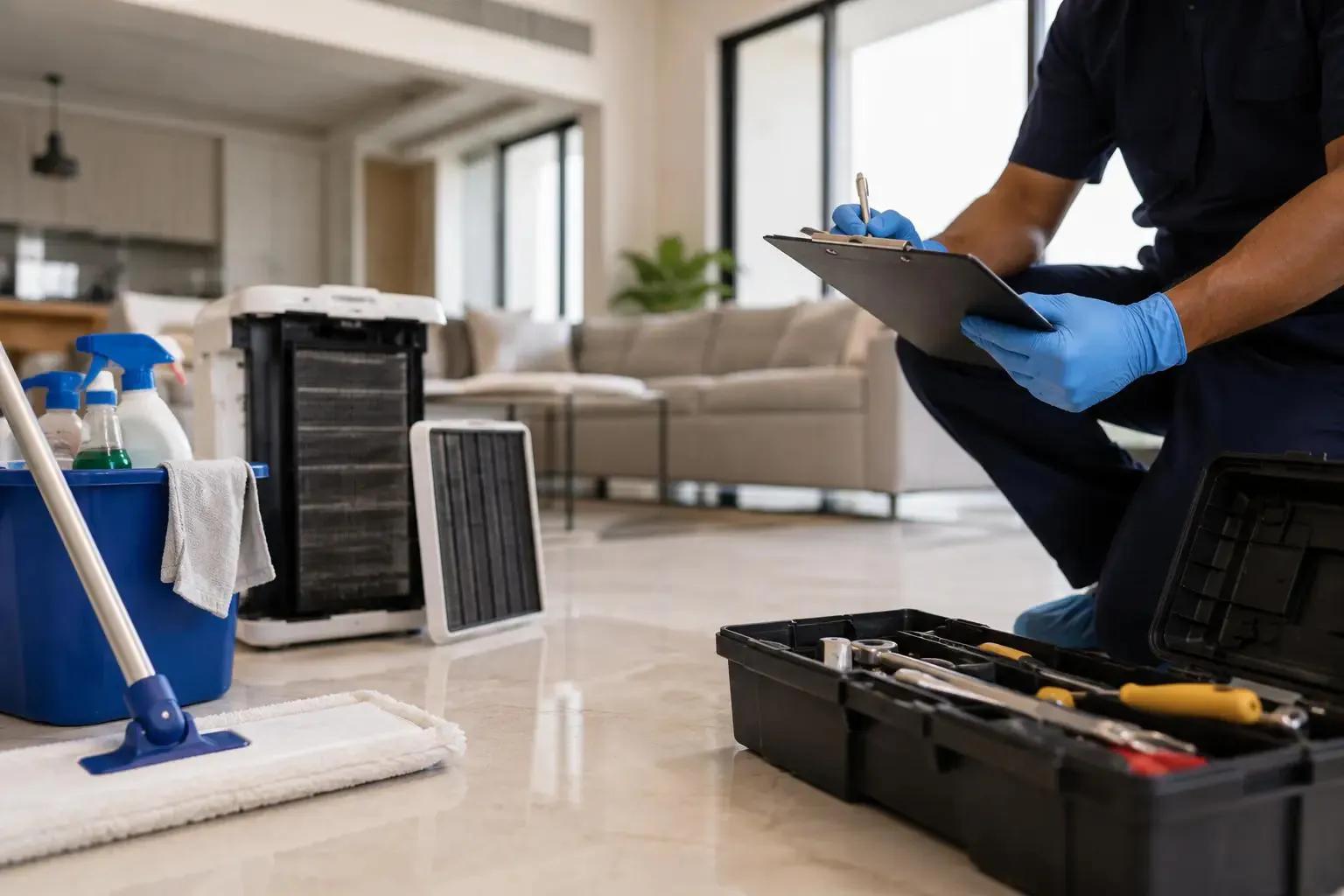
When to Upgrade vs Maintain: How to Make the Right Choice
In short:
Maintain it if repairs are infrequent, affordable, and it’s still performing well. Upgrade when breakdowns become common, costs keep adding up, or efficiency drops. The best choice isn’t always the cheapest today, but the one that offers the most value over time.
We’ve all been there. Something at home starts acting up, whether it’s an appliance, a fixture, or even part of the house itself. The big question is always the same: should you keep maintaining it, repair it, or is it finally time to upgrade?
The answer isn’t always obvious. While regular maintenance can extend the lifespan of many household items, there comes a point where upgrading makes more financial and practical sense. Knowing the difference can save you money, improve efficiency, and help you avoid unexpected breakdowns.
When Maintenance Is the Smarter Choice
Not every issue calls for a replacement. In many cases, routine maintenance or a simple repair can keep things running smoothly for years.
Maintenance is usually the better option when the item is still within its expected lifespan, performs well, and hasn’t needed frequent repairs. Cleaning, servicing, replacing small parts, or fixing minor wear and tear can often restore performance without the cost of buying something new.
A good rule of thumb is to stay proactive. Preventive maintenance not only extends the life of appliances and home systems but also helps you catch small problems before they become expensive ones.
If you’re wondering, “How do I know when maintenance is enough?”, ask yourself these questions:
- Is this the first significant repair?
- Is the repair relatively inexpensive?
- Has it been working reliably until now?
- Is it still energy efficient?
If the answer is yes to most of these, maintaining it is often the smarter choice.
Signs It’s Time to Upgrade Instead
Eventually, every product reaches the end of its useful life. Continuing to repair it can become more expensive than replacing it.
Here are some signs it’s time to upgrade instead of maintain:
- You’re paying for frequent repairs.
- Repair costs are approaching the price of a replacement.
- Performance has noticeably declined.
- Energy bills have increased because it’s less efficient.
- Replacement parts are difficult to find.
- Safety has become a concern.
Many professionals also refer to the “50% repair rule.” If a repair costs roughly half the price of a new replacement and the item is already nearing the end of its lifespan, upgrading is often the better long-term investment.
While it may feel cheaper to keep fixing something, recurring repair costs can quickly add up. In many cases, upgrading saves more money over time through improved efficiency and lower maintenance costs.
A Simple Repair vs Replace Checklist
Still unsure? This quick checklist can help you decide.
Maintain or Repair if:
- The item is relatively new.
- Repairs are occasional and affordable.
- It still performs as expected.
- Maintenance can prevent future issues.
- Energy efficiency remains good.
Upgrade if:
- Breakdowns happen regularly.
- Repairs are becoming expensive.
- Performance continues to decline.
- Operating costs keep increasing.
- Newer models offer meaningful improvements in efficiency, safety, or functionality.
The goal isn’t simply to repair or replace. It’s to consider the total cost of ownership, including repair expenses, energy use, reliability, and future maintenance.
Final Word
There’s no universal answer to the upgrade vs maintain debate. Every situation is different, but making the decision becomes easier when you look beyond the immediate repair bill.
Regular maintenance remains one of the best ways to extend the lifespan of your home, appliances, and equipment. However, when repairs become frequent, costs continue to rise, or performance no longer meets your needs, upgrading is often the more practical choice.
The smartest decisions balance short-term costs with long-term value. A little preventive maintenance today can delay unnecessary replacements, while upgrading at the right time can save money, improve efficiency, and give you greater peace of mind.
FAQs
Consider upgrading if repairs are frequent, repair costs are high, performance has declined, or the item is no longer energy efficient.
It depends on the repair cost, the age of the item, and its remaining lifespan. Small, occasional repairs are usually worth it, while repeated expensive repairs often make replacement the better financial decision.
Yes. Preventive maintenance helps reduce wear and tear, improves performance, and can significantly extend the lifespan of many home systems and appliances.
The 50% repair rule suggests replacing an item if the repair cost is about half the price of a new one and it’s already approaching the end of its expected lifespan.
In many cases, yes. Newer products are often more energy efficient, require fewer repairs, and may lower operating costs over time, making them a worthwhile long-term investment.