
Why Granite Needs Different Care Than Marble: A Complete Guide to Cleaning, Sealing, and Maintenance
In short: Granite is more durable and lower maintenance, while marble needs gentler care and more frequent upkeep to prevent damage.
Natural stone surfaces can instantly elevate the look of a home, but they don’t all behave the same way. One of the most common misconceptions is that granite and marble can be cleaned and maintained using the same products and techniques. In reality, each stone has unique properties that affect how it responds to stains, scratches, moisture, and everyday wear.
Understanding why granite needs different care than marble can help you avoid costly damage, extend the life of your surfaces, and keep them looking their best for years.
Why Granite and Marble Need Different Care
Although both are natural stones, granite and marble are formed differently, giving them distinct characteristics. Granite is an igneous rock that is denser and generally more resistant to scratches, heat, and stains. Marble is a metamorphic rock made primarily of calcium carbonate, making it softer and more vulnerable to etching from acidic substances like lemon juice, vinegar, or wine.
These differences directly influence how they should be maintained. For example, while both benefit from regular cleaning, marble requires extra caution with cleaning products because acidic or abrasive cleaners can permanently dull its polished finish. Granite, on the other hand, is more forgiving but still needs pH-neutral cleaners to preserve its protective sealant.
The takeaway is simple – using the same cleaning routine for both stones can shorten their lifespan instead of protecting them.
Granite vs Marble Care: The Key Differences
Here’s a quick comparison of how these two popular stones differ when it comes to maintenance.
Care Factor
Granite
Marble
Scratch Resistance
High
Moderate to low
Stain Resistance
Better when sealed
More porous and prone to staining
Acid Resistance
Better
Poor, prone to etching
Sealing Frequency
Every 1 to 3 years, depending on use
Usually every 6 to 12 months
Daily Cleaning
Mild pH-neutral cleaner
pH-neutral cleaner only
Long-Term Maintenance
Relatively low
Requires more frequent care
If you’re wondering which is easier to maintain, granite generally requires less attention. However, neither stone is maintenance-free. Both need periodic sealing, prompt cleanup of spills, and the right cleaning products to stay in excellent condition.
Best Practices for Cleaning and Maintaining Granite and Marble
Whether you have granite countertops, marble flooring, or both, a few simple habits can make a noticeable difference.
For granite:
- Wipe spills as soon as possible, especially oils, coffee, or sauces.
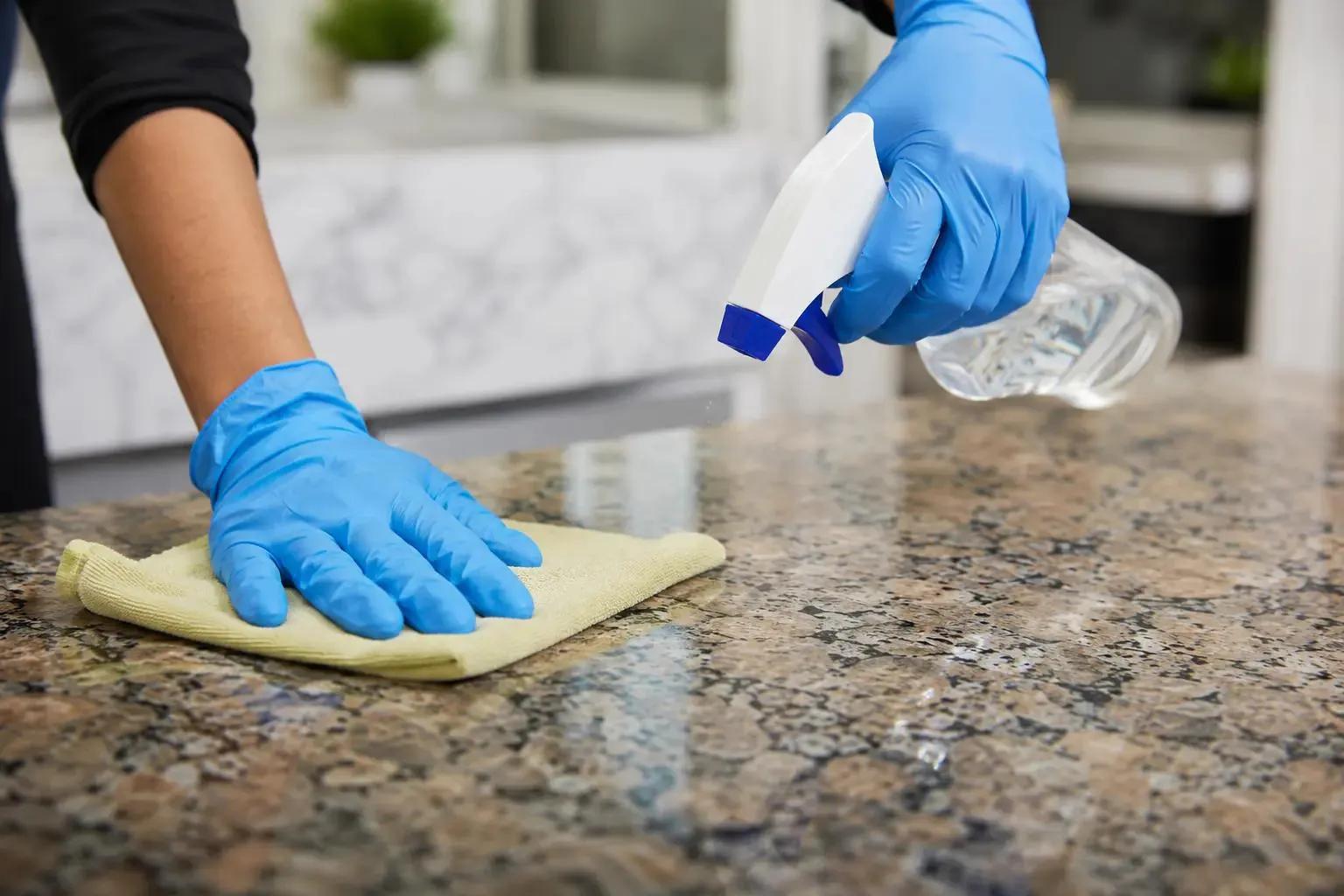
- Use a soft microfiber cloth with a pH-neutral stone cleaner.
- Avoid harsh chemicals like bleach, ammonia, and abrasive scrubbing pads.
- Test the seal occasionally by placing a few drops of water on the surface. If the water absorbs quickly instead of beading up, it may be time to reseal.
For marble:
- Clean spills immediately, especially acidic liquids that can cause etching within minutes.
- Use coasters, trivets, and cutting boards to reduce wear.
- Stick to cleaners specifically designed for natural stone.
- Dust and wipe regularly to prevent grit from creating fine scratches over time.
One of the biggest mistakes homeowners make is using homemade cleaning solutions containing vinegar or lemon. While these may work well on other surfaces, they can permanently damage marble and gradually weaken the protective seal on granite.
If your stone has deep stains, dull patches, cracks, or heavy scratches, professional restoration is often the safest option. Attempting aggressive DIY fixes can sometimes make the damage more difficult to repair.
Which Stone Is Better for Your Home?
The right choice depends on your lifestyle and expectations.
Granite is an excellent option for busy kitchens, family homes, and anyone looking for a durable, lower-maintenance surface. Its resistance to heat, scratches, and everyday wear makes it particularly practical for frequently used spaces.
Marble remains a timeless favourite for its luxurious veining and elegant appearance. While it requires more upkeep, many homeowners appreciate the natural patina it develops over time. With proper care and regular sealing, marble can maintain its beauty for decades.
Rather than asking whether granite is better than marble, it’s more helpful to ask which stone better suits your daily routine. If you’re willing to invest a little extra effort into maintenance, marble can be incredibly rewarding. If convenience is your priority, granite is often the easier choice.
Final Word
Granite and marble may look similar at first glance, but their maintenance needs are quite different. Granite’s dense structure makes it more resistant to everyday damage, while marble’s softer composition calls for gentler cleaning and more frequent care.
Using the right cleaning products, sealing each stone when needed, and addressing spills quickly are the simplest ways to protect your investment. A tailored care routine not only preserves the appearance of your surfaces but also helps them perform beautifully for years to come.
Frequently Asked Questions
Granite is denser and more resistant to stains and scratches, while marble is softer and more susceptible to etching from acidic substances. Their different compositions require different maintenance routines.
It’s best to use pH-neutral cleaners made for natural stone. Acidic or abrasive cleaners can damage marble and may reduce the effectiveness of granite’s protective seal.
Granite is generally easier to maintain because it is more durable and less prone to staining, scratching, and etching.
Granite is typically sealed every 1 to 3 years, while marble often benefits from sealing every 6 to 12 months, depending on usage and the type of stone.
Avoid vinegar, lemon juice, bleach, ammonia, and abrasive scrubbers, as these can damage the stone or its protective seal.
Yes. Many stains, scratches, and dull areas can be improved through professional stone restoration, polishing, and resealing, depending on the extent of the damage.