
Matte vs Glossy Tiles: Cleaning Challenges You Should Know Before Choosing
Choosing between matte and glossy tiles isn’t just about appearance. While both finishes can enhance your home’s interiors, they come with different cleaning and maintenance requirements. Understanding these differences before making a decision can save you time, effort, and frustration in the long run.
Whether you’re renovating your home or replacing old flooring, here’s what you need to know about the cleaning challenges of matte vs glossy tiles.
Why Matte and Glossy Tiles Have Different Cleaning Challenges
The biggest difference between matte and glossy tiles lies in their surface finish. Glossy tiles have a smooth, reflective coating that gives them a polished appearance, while matte tiles have a textured, non-reflective surface that offers a more natural look.
Because glossy tiles reflect light, they tend to highlight fingerprints, water spots, dust, and streaks more easily. Even after mopping, leftover residue or hard water marks can become visible, especially in well-lit rooms.
Matte tiles, on the other hand, are excellent at hiding smudges, footprints, and minor scratches. However, their textured surface can trap dirt, grease, and grime, making deep cleaning slightly more challenging if regular maintenance is neglected.
Here’s a quick comparison:
Feature
Matte Tiles
Glossy Tiles
Shows Dust & Footprints
Less visible
More visible
Shows Water Spots
Less noticeable
More noticeable
Hides Scratches
Better
Less effective
Dirt Removal
Requires deeper cleaning
Easier surface cleaning
Slip Resistance
Higher
Lower, especially when wet
Neither finish is inherently better. The right choice depends on where the tiles will be installed and how much maintenance you’re comfortable with.
How to Clean Matte and Glossy Tiles Properly
Although both tile finishes benefit from regular cleaning, the approach should be slightly different.
For matte tiles:
- Sweep or vacuum frequently to remove dirt trapped in the textured surface.
- Mop using a pH-neutral tile cleaner and warm water.
- Use a soft-bristle brush occasionally to clean textured areas and grout lines.
- Avoid wax-based products that can leave residue and make the surface appear patchy.
For glossy tiles:
- Dust and mop regularly to prevent visible streaks.
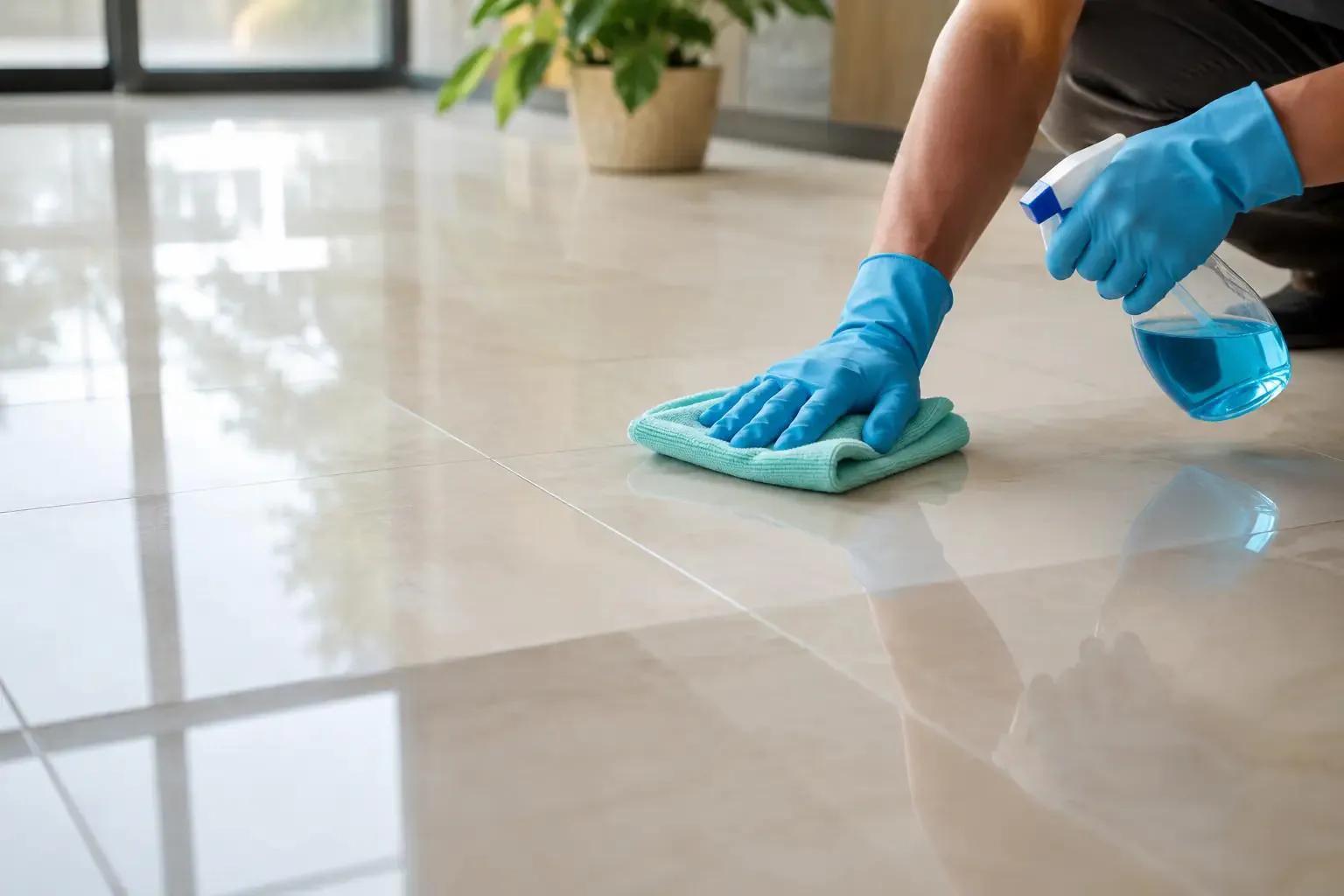
- Use a microfiber mop or cloth for a smooth, streak-free finish.
- Dry the surface after mopping to minimise water spots.
- Choose non-abrasive, pH-neutral cleaners that preserve the tile’s shine.
Whichever finish you choose, avoid harsh chemicals, steel wool, or highly abrasive scrubbers, as these can gradually damage the tile surface or dull its finish.
Common Cleaning Mistakes to Avoid
Many homeowners unknowingly make mistakes that reduce the lifespan and appearance of their tiles.
One common mistake is using too much cleaning solution. Excess detergent often leaves behind a sticky film that attracts more dirt, particularly on glossy tiles where streaks become highly visible.
Another mistake is delaying spill cleanup. While porcelain and ceramic tiles are generally durable, grout lines can absorb moisture, dirt, and stains if spills are left unattended.
Using acidic cleaners without checking the manufacturer’s recommendations can also damage certain tile finishes and grout over time. Similarly, scrubbing aggressively with abrasive pads may leave fine scratches, especially on glossy surfaces.
If your tiles have lost their appearance despite regular cleaning, the issue may be a buildup of residue or worn grout rather than the tile itself. In such cases, professional tile cleaning can restore the floor more effectively than repeated DIY cleaning.
Which Tile Finish Is Easier to Maintain?
If low maintenance is your priority, the answer depends on your daily routine and where the tiles will be installed.
Glossy tiles are generally easier to wipe clean because their smooth surface doesn’t trap dirt as easily. However, they require more frequent cleaning to remove fingerprints, dust, and water spots, making them ideal for spaces where appearance matters, such as living rooms.
Matte tiles require a little more effort during deep cleaning, but they disguise everyday dirt, footprints, and minor scratches far better. This makes them a practical choice for kitchens, bathrooms, entryways, and other high-traffic areas where keeping floors looking clean throughout the day is important.
Rather than asking which finish is easier to clean, it’s more useful to consider which type of maintenance better fits your lifestyle.
Final Word
When comparing matte vs glossy tiles, cleaning challenges are just as important as style. Glossy tiles are easier to wipe down but reveal streaks, dust, and water spots more quickly. Matte tiles hide everyday marks better but need a little extra attention to remove dirt from their textured surface.
By choosing the right cleaning products, following a regular maintenance routine, and avoiding harsh chemicals, you can keep either tile finish looking its best for years. The ideal choice ultimately comes down to where the tiles will be used and how much ongoing maintenance you’re comfortable with.
FAQs
Not necessarily. Matte tiles can trap more dirt in their textured surface, but they also hide dust, footprints, and smudges better than glossy tiles.
Glossy tiles are easier to wipe clean, while matte tiles require less frequent touch-ups because they don’t show everyday dirt as easily.
Yes. A pH-neutral tile cleaner is generally suitable for both finishes. Avoid abrasive or acidic products unless recommended by the tile manufacturer.
Yes. Glossy tiles tend to make dust, fingerprints, streaks, and water spots more visible because of their reflective surface.
Matte tiles are often preferred for these areas because they offer better slip resistance and hide everyday dirt more effectively.
Use a microfiber mop, avoid excessive detergent, and dry the surface after mopping to minimise water spots and streak marks.