 Skip to content
Winter Sofa & Mattress Hygiene: Prevent Dust, Moisture & Microbial Build-Up
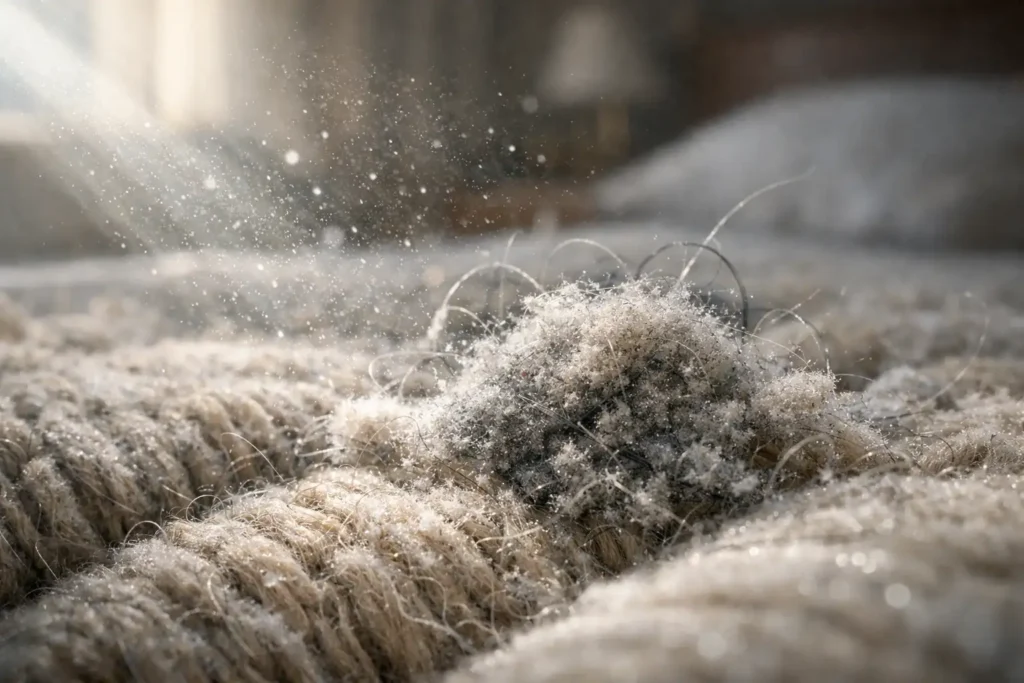
Winter is cozy – until you notice your sofa smells musty, your mattress feels damp, or allergy symptoms flare up. What’s happening? The answer lies in winter-specific changes in moisture, dust-mite activity, and microbial growth.
In this guide, we’ll explore why upholstery behaves differently in cold months, how dust mites and microbes rebound, and practical ways to keep your sofa and mattress hygienic during winter – without turning cleaning into a full-time job.
Why Winter Makes Upholstery Riskier – The Science Behind Dust, Moisture, and Microbes
Most people think cold just “keeps things dry.” In reality, winter creates the perfect storm for dust mites, moisture retention, and microbial growth.
1. Dust Mite Rebound
- Dust mites survive better in warm, slightly humid indoor conditions (thanks to heaters and closed windows).
- Cold weather doesn’t kill them; it triggers a rebound effect – their population increases on sofas and mattresses when humans stay indoors longer.
2. Fibre Moisture Retention
- Winter air is drier, but indoor heating can cause condensation on cooler fabrics.
- Mattress and sofa fibres trap moisture from body heat, sweat, and spills.
- Moist fibres become a breeding ground for microbes and dust mites alike.
3. Microbial Load Increase
- Cold doesn’t stop bacteria or mould; the combination of trapped moisture and organic debris accelerates microbial growth.
- This leads to musty odours, staining, and allergy-triggering particles.
Takeaway: Your sofa and mattress are mini ecosystems in winter. Ignoring hygiene can affect health and comfort. For homes with persistent dust or odours, a professional full house cleaning service ensures every corner, including sofas and mattresses, is hygienically maintained.
Why Your Usual Cleaning Habits Fail in Winter
Many people scrub and vacuum as usual but still notice odours and dust accumulation. Here’s why:
1. Dust and microbes hide in fibre layers
- Upholstery fibres and mattress tufts trap particles more effectively in cold months.
- Shallow vacuuming or surface wipes aren’t enough.
2. Moisture blocks cleaning agents
- Cold, damp fibres repel cleaning liquids, reducing the effectiveness of sprays and detergents.
3. Heating creates invisible hotspots
- Radiators or heaters warm certain areas unevenly, causing dust mites to migrate and microbial growth to increase in untreated spots.
Understanding why standard cleaning fails is the first step to smarter hygiene. If odours persist or allergens remain, a pest control service can help manage dust mites, bed bugs, and other microbes in winter.
The Most Effective Winter Cleaning Strategy

A science-based approach works best. Here’s a step-by-step strategy:
STEP 1 – Vacuum Deep and Often
- Use a HEPA vacuum to reach into fibres and mattress tufts.
- Focus on seams, crevices, and under cushions where dust mites congregate.
STEP 2 – Treat Moisture Hotspots
- Dry damp spots with a fan or heater at a safe distance.
- For mattresses, consider lifting and airing them in sunlight when possible.
STEP 3 – Use Anti-Allergen Cleaning Agents
- Enzyme-based sprays neutralize organic matter dust mites feed on.
- Mild antimicrobial sprays reduce microbial load without damaging fabric.
STEP 4 – Steam Cleaning for Fabrics
- Steam penetrates deep into fibres, killing dust mites and bacteria.
- Works especially well for sofas, mattresses, and upholstered chairs.
STEP 5 – Protective Measures After Cleaning
- Mattress protectors, removable sofa covers, and regular airing prevent rapid rebound.
For a thorough professional approach, consider our sofa cleaning service, which targets deep-set dust, moisture, and microbial build-up.
This 5-step routine is proven to reduce dust mite activity, microbial load, and musty odours effectively – especially in winter.
Preventive Maintenance for Winter Hygiene
Prevention is easier than repeated cleaning. Try these winter-specific habits:
1. Wipe and vacuum weekly
- Don’t wait for visible dust or odour. Weekly maintenance keeps microbes and dust mites under control.
2. Control indoor humidity
- Keep humidity between 40-50% to discourage dust mites and mould.
3. Rotate and air mattresses
- Flip mattresses every 2-3 weeks.
- Lift sofa cushions periodically to let trapped moisture escape.
4. Use breathable covers
- Protect fibres with washable, breathable covers for sofas and mattresses.
5. Professional deep-cleaning when needed
- Winter cleaning once per season by professionals ensures fibres, tufts, and crevices are thoroughly treated.
Small, consistent habits prevent the rebound effect and maintain comfort and health. In addition to regular maintenance, periodic waterproofing services help protect walls and fabrics from winter moisture and related odours.
Final Word
Winter doesn’t make sofas and mattresses dirty; it changes how they harbour dust mites, moisture, and microbes.
When you understand:
- why dust mites rebound,
- how fibres trap moisture, and
- how microbial load increases,
…you can adopt smarter cleaning and preventive strategies.
Warm, ventilated spaces, deep vacuuming, steam cleaning, and seasonal protective measures keep upholstery hygienic and healthy. At Clean Fanatics, we combine science-based cleaning with winter-specific techniques, ensuring sofas and mattresses are not only clean but also allergen-free and safe for your family.
With the right routine, winter hygiene becomes simple, effective, and stress-free.
FAQs
Cold air and indoor heating create moisture pockets and dust mite rebound, leading to odours.
Yes, indoor warmth and closed spaces create optimal conditions for dust mite growth despite outdoor cold.
Weekly surface vacuuming + seasonal deep cleaning is ideal.
Yes, steam penetrates fibres and eliminates dust mites and bacteria without chemicals.
For deep fibres, stubborn odours, or allergy-prone homes, professional winter deep-cleaning is highly recommended.