 Skip to content
Why Bed Bugs Does not Die With Home Remedies: The Science Behind Their Survival
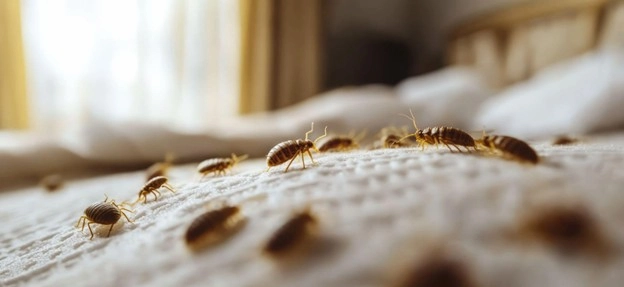
Bed bugs are one of those pests that make you question everything. You clean your room.
You vacuum every corner. You spray essential oils, use kerosene, even try those “sure-shot natural hacks” from YouTube.
And yet… they’re still there the next morning.
It feels unfair, but there is a scientific explanation. Bed bugs are unusually resilient creatures with biological and behavioral adaptations that allow them to survive most home treatments. Let’s break down the real reasons why DIY methods rarely work, and what actually does.
Thermal Tolerance: Why Heat From Home Methods Isn’t Enough
If there’s one myth that refuses to die, it’s “just use hot water or a hairdryer – bed bugs hate heat.”
They do hate heat.
But they hate extreme, consistent, laboratory-verified heat – not the kind you get at home.
What temperature actually kills bed bugs?
- Adult bed bugs die at 48-50°C sustained for 20-90 minutes.
- Eggs require 52-55°C for complete kill.
- Professional heat treatments raise room temperatures to 56-60°C for hours – something a household heater, steamer, or sunlight exposure simply cannot maintain.
Why home heat fails
- Household steamers rarely deliver heat deep into mattress seams, carpet padding, sofa joints, or cracks inside wooden furniture.
- Heat cools too quickly the moment you move the device away.
- Bed bugs escape into deeper hiding spots when they detect rising temperatures (yes, they can sense it).
Result: You kill a few visible bugs… but the colony stays intact. If heat-related cleaning has been difficult for you in other areas too, our professional mattress cleaning service can help remove deep-seated dirt, allergens, and residues more effectively.
Egg Resilience: The Real Reason Infestations Keep Returning

Even if you manage to kill adult bed bugs, the real challenge is their eggs.
What makes bed bug eggs so tough?
- They are coated with a glue-like secretion that sticks firmly to surfaces.
- The eggshell acts like a protective barrier, resisting many household sprays and DIY chemicals.
- Eggs are often hidden in places you won’t naturally inspect – screw holes, bed joints, the underside of drawers, behind wall plates, inside zippers.
Why home remedies don’t kill the eggs
Natural methods such as essential oils, vinegar, kerosene, alcohol, talcum powder, neem oil, camphor, and even “salt + baking soda” remedies have almost zero penetration power.
So what happens?
The adults die. You feel relieved. Then 7-14 days later, the eggs hatch – and the cycle begins all over again. This is why bed bug infestations “come back,” even though technically… they never left. For surfaces where hygiene is critical and dirt often hides in crevices, our kitchen cleaning service ensures a deeper, more sanitised result than standard home cleaning.
Chemical Resistance: Why Sprays Stop Working Over Time
Bed bugs are one of the most chemically resistant pests in the world – and this resistance has been growing for decades.
How did this resistance develop?
- Overuse of OTC sprays, kerosene mixes, and “bug bombs” created stronger, more resistant generations.
- Survivors pass their resistance genes on.
- Many Indian households use the same insecticide repeatedly, which accelerates resistance.
What you need to know about resistance
- Pyrethroid sprays – the most common “hit spray” type – have very low kill rates on modern bed bugs.
- Bed bugs can develop thicker cuticles (outer shells) that slow chemical penetration.
- They hide in chemical-safe spaces until the spray dissipates.
Home remedies simply don’t have the molecular composition needed to break through these defenses. If persistent issues in your home require more durable protection, our waterproofing service helps safeguard walls and surfaces from long-term moisture damage.
The Hidden Behaviour: How Bed Bugs Outsmart Home Remedies

Even if they’re small, bed bugs are expert survivors. Their behavior makes DIY almost impossible.
Their survival tactics include:
- Night-time feeding: They come out when you’re asleep, not when you’re attacking them during the day.
- Flat bodies: They slide into cracks as thin as a credit card.
- Hitchhiking: They easily spread through bags, books, clothes, and furniture.
- Clustered hiding: A single bed can have 6-10 micro-colonies you never see.
This is why you can never reach all of them
DIY methods treat the visible surfaces. Bed bugs hide in invisible ones.
Complete eradication requires:
- inspection with trained eyes
- advanced detection tools
- multi-stage treatment (heat + chemical + mechanical control)
- repeat sessions to kill hatching eggs
This is why professional services succeed where home remedies fail. And if you’re noticing damage or hidden entry points in your walls, our wall crack filling service can prevent further structural and pest-related issues.
The Real Solution: Integrated Bed Bug Management
A real bed bug solution follows a scientific workflow:
1. Detailed inspection
Professionals locate:
- egg clusters
- harbourages
- faecal trails
- hiding spots in furniture
2. Mechanical removal
- industrial vacuum extraction
- mattress brushing
- heat steaming
3. Targeted chemical treatment
Using insecticides designed for bed bugs – not general sprays, and rotating chemical classes to avoid resistance.
4. Follow-up treatments
The only way to ensure newly hatched eggs don’t restart the infestation.
5. Long-term prevention
Encasing mattresses, sealing cracks, and inspecting luggage after travel. DIY helps temporarily, but it cannot match this multi-layered approach. Workspaces face similar challenges with recurring pests and hidden colonies, which is why our office cleaning services ensure long-term hygiene and preventive protection.
Final Word
Bed bugs don’t survive home remedies because of thermal tolerance, egg resilience, chemical resistance, and adaptive hiding behaviour. Once you understand the science behind their survival, it becomes clear why DIY solutions only delay the problem instead of eliminating it.
And if you ever decide to tackle bed bugs the right way, at Clean Fanatics, we ensure treatments backed by science – not home hacks.
FAQs
Because these substances don’t penetrate the eggshell and don’t sustain lethal temperatures or toxicity long enough to kill hidden bugs.
No. Sunlight rarely reaches the 50-55°C kill-zone required, especially in shaded cracks and inner layers.
They can survive for months in low temperatures unless exposed to extreme cold (-17°C or lower) for several hours, not achievable at home.
Because cleaning only removes dirt, not eggs or hidden colonies. Eggs hatch later, restarting the infestation.
Most modern bed bug populations are resistant to common pyrethroid-based sprays. Professional-grade, rotated chemicals are usually required.