 Skip to content
Dust, Grease, and Old Paint: A Step-by-Step Wall Prep Guide That Makes Paint Last Longer
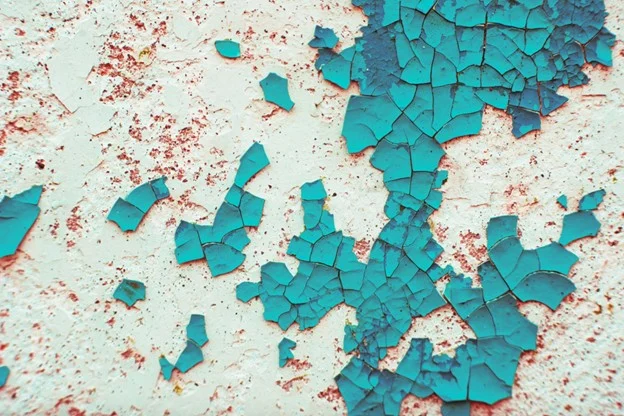
You’ve picked your wall colours, bought your brushes, and maybe even scrolled through Pinterest for inspiration. But before you dip that roller in paint, there’s one crucial step you can’t skip – wall prep. Paint doesn’t just stick to colour; it sticks to clean, dry, smooth surfaces. Dust, grease, or old flaky paint underneath can cause your fresh coat to bubble, peel, or fade sooner than expected.
So, how do you prep your walls the right way? Here’s a step-by-step guide to help you clean, smooth, and ready your walls for a professional-looking finish that lasts years longer.
Why Wall Preparation Matters Before Painting
Think of wall prep as skincare for your walls – you wouldn’t apply makeup on a dirty face, right? The same goes for paint. Proper surface preparation determines how well paint adheres and how long it stays flawless.
Skipping prep leads to:
- Peeling or flaking paint within months.
- Uneven finishes due to leftover dust or grime.
- Faded colour because paint couldn’t bond properly.
- Damp patches where moisture was trapped beneath layers.
On the other hand, well-prepped walls help:
- Paint glides on evenly.
- Reduce long-term maintenance costs.
- Extend the lifespan of your finish by years. Need help getting rid of years of built-up grime before you paint? Try our Full House Cleaning Service – a deep clean ensures your walls are spotless and paint-ready.
💡 Pro Tip: Even premium paints can fail on unclean walls. The smoother and drier your wall, the better your finish will hold up.
Step 1 – Remove Dust and Surface Grime
Let’s start simple – every wall collects dust, especially near ceilings, fans, and corners. Dust acts as a barrier, making your paint prone to patchiness.
How to clean dust from walls before painting:
- Dry wipe with a microfiber cloth or broom to remove loose debris.
- Vacuum or use a long-handled duster for hard-to-reach areas.
- Mild soap wash – Mix a few drops of dish soap with warm water and gently wipe using a sponge. Avoid soaking the wall.
- Rinse and dry – Wipe again with clean water and let it dry completely (minimum 12 hours).
If your wall feels chalky or powdery to the touch, it’s a sign of old paint breakdown. Use a soft brush to remove the chalk layer before proceeding. For areas like balconies or windows where dust buildup is heavy, our Window Cleaning Service helps eliminate every trace of dirt before painting begins.
💡 DIY Check: Run your palm over the surface – if your hand gets dusty or white, the wall needs another cleaning round.
Step 2 – Degrease and Deal with Kitchen Walls
Kitchen and dining area walls are grease magnets. Steam, oil, and food splashes leave invisible films that can ruin your new paint’s adhesion.
How to remove grease before painting walls:
- Use a degreaser or vinegar solution (1 part vinegar to 3 parts warm water).
- Apply using a sponge, working from top to bottom.
- For stubborn grease spots, apply baking soda paste (baking soda + water), let it sit for 5-10 minutes, then wipe off.
- Rinse well and allow full drying. If your kitchen walls and surfaces have stubborn oil and smoke stains, our Kitchen Cleaning Service can handle deep degreasing before your next paint job.
⚠️ Avoid ammonia or harsh chemicals – they can damage the plaster and affect paint grip.
Quick Tip: Grease residue is sneaky. Shine a flashlight at an angle – if the surface gleams unevenly, it’s not fully clean yet.
Step 3 – Scrape Off Old Paint and Smooth the Wall
Old paint isn’t always a solid foundation. Peeling, flaking, or blistered paint layers are warning signs that must be addressed before repainting.
Steps to remove old paint:
- Scrape away loose paint using a paint scraper or putty knife.
- Sand the surface with fine-grit sandpaper (180-220 grit) until smooth.
- Fill cracks or dents using wall putty or filler compound.
- Sand again lightly after the filler dries to create a uniform texture.
- Prime the wall to seal the surface and improve adhesion.
💡 Pro Tip: Never paint directly on old, glossy, or flaky paint. Primer not only seals pores but also gives your colour a vibrant and even look.
If your wall has damp patches, bubbling, or powdery residue, it’s worth having it inspected for leaks or waterproofing issues before painting. Painting over moisture will only trap the problem inside. If you notice cracks or damp spots during prep, our Wall Crack Filling service can help restore and seal your surface before repainting.
Final Word: Prep Right, Paint Once
A great paint job isn’t about expensive paint – it’s about clean, well-prepared walls. Taking the time to remove dust, degrease kitchen areas, and sand off old paint ensures your walls stay beautiful for years instead of months.
At Clean Fanatics, we take wall prep seriously. Our professionals use moisture mapping, degreasing, and precision sanding to give your walls a perfect base before painting. So your colour doesn’t just look fresh, it lasts.
If you’re planning a repaint or notice old paint cracking or grease build-up, book a quick inspection and let us handle the prep for you.
FAQs
Yes. Washing removes dust, grease, and stains that prevent paint from bonding properly.
Only if it’s clean, smooth, and not peeling. If old paint is flaking or glossy, it must be sanded or primed.
Use a mild degreaser, vinegar solution, or baking soda paste. Rinse thoroughly and let it dry.
Absolutely. Primer evens out absorption and ensures a smooth, long-lasting finish.
Skipping prep can cause peeling, patchy colour, and shorter paint lifespan. Proper prep makes all the difference.