 Skip to content
Types of Cracks in Walls and How You Can Get Rid of Them
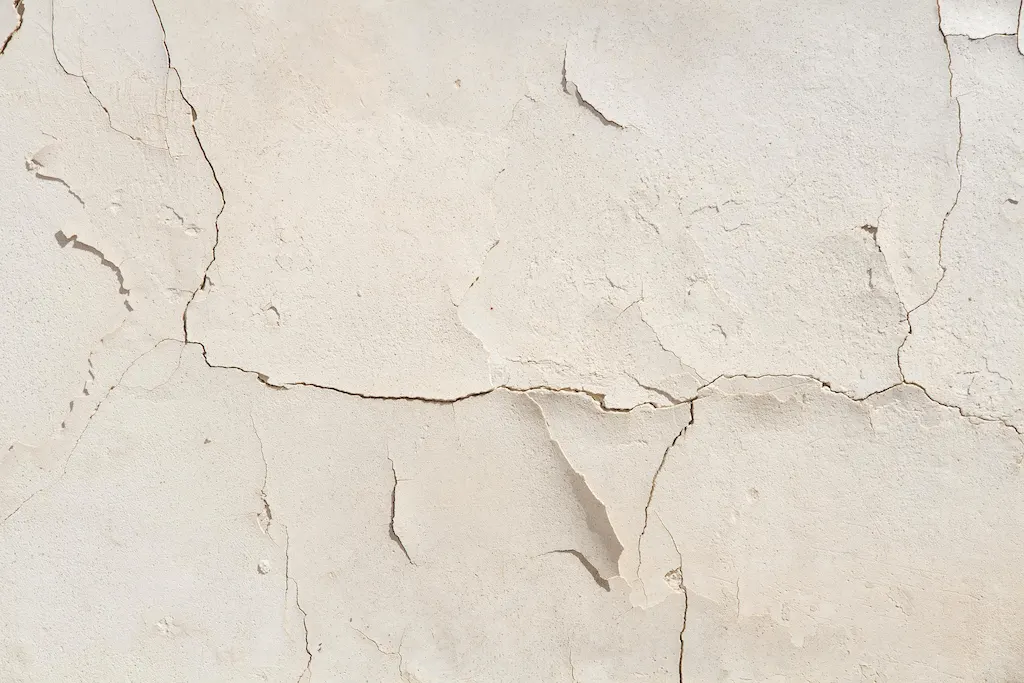
Almost every homeowner notices wall cracks at some point, sometimes it’s a tiny hairline fracture across freshly painted plaster, other times it’s a deeper, worrying gap running horizontally across a wall. Cracks don’t just spoil the look of your space, they can also signal underlying issues like structural weakness, leakage, or poor construction.
The real challenge? Knowing which ones to ignore and which ones to act on immediately. Let’s break this down into the most common types of cracks, why they happen, how to fix them, and how to prevent them – so you can protect your walls and your peace of mind.
The Most Common Types of Wall Cracks
Wall cracks aren’t all the same, their size, shape, and direction can reveal what’s happening behind the plaster. Here are the most frequent ones you’ll come across:
- Hairline cracks – Thin, spider-web-like cracks that usually form in plaster or paint. They’re often caused by shrinkage as the material dries. These are cosmetic, but if they spread, they could mean deeper moisture or settlement issues.
- Vertical cracks – Usually appear in newly built homes as the structure settles. If they’re thin and stable, they’re rarely a concern. But if they widen, they may suggest foundation movement.
- Horizontal cracks – These are red flags. Horizontal cracks, especially on basement or load-bearing walls, can signal serious foundation or soil pressure issues. Immediate inspection is a must.
- Diagonal or stair-step cracks – Often seen at corners of walls, especially near doors and windows. They indicate uneven settlement or shifting of the foundation. If cracks are paired with stains or dust buildup, a thorough sofa cleaning or other surface cleaning can help improve the overall appearance of your interiors while repairs are done.
- Cracks around doors and windows – These usually form because frames expand, contract, or move over time. Poor plaster adhesion can also cause them.
👉 Takeaway: Don’t dismiss cracks without checking the pattern. A small hairline crack can be harmless, but a horizontal or widening one deserves urgent attention.
Why Do Wall Cracks Appear?

Cracks are symptoms – not the actual problem. If you want to fix them for good, you need to know the root cause. The most common reasons include:
- Natural settlement – All buildings settle into the ground over time. Minor vertical cracks are part of this process.
- Moisture and leakage – Water seepage through roofs, bathrooms, or external walls weakens plaster and concrete, leading to cracks. Humid weather (like the monsoon) makes it worse. Addressing such issues early with bathroom renovation can stop seepage at its root and prevent recurring wall damage.
- Temperature changes – Heat causes materials to expand; cold contracts them. This continuous cycle can stress walls and cause cracking.
- Poor construction practices – Using low-quality plaster, rushing curing, or improper mixing often shows up years later as cracks.
- Structural movement – Soil shifting, earthquakes, or overloading walls with heavy fixtures can lead to serious cracks.
👉 Tip: Watch your cracks over time. If they stay the same, they’re likely cosmetic. If they grow longer or wider, the cause may be structural.
How to Fix Different Wall Cracks
Different cracks need different solutions. Here’s a quick guide to repairs:
- Hairline cracks – Clean the surface, apply wall putty or plaster filler, sand it smooth, and repaint. Usually a simple DIY job.
- Vertical cracks – If small, treat them like hairline cracks. If wider, reinforce with mesh tape or consult a mason for mortar filling.
- Horizontal or diagonal cracks – These can’t be solved with putty. You may need epoxy injections, reinforcement bars, or even structural adjustments. Professional help is non-negotiable here.
- Moisture-related cracks – First, solve the water issue (roof waterproofing, plumbing repair, or external wall treatment). Then, remove damaged plaster, refill with fresh mortar, and repaint. Pairing repairs with wood polishing for frames and doors can enhance both durability and aesthetics of your space.
- Cracks near doors and windows – Scrape away loose plaster, apply a strong bonding agent, and refill with plaster or putty. Make sure the frame is properly fixed to prevent recurrence.
👉 Important: Covering cracks with paint is only temporary. If you don’t fix the cause, the cracks will reappear, often worse than before.
Preventing Cracks Before They Happen

Prevention is always smarter (and cheaper) than constant repairs. A few habits can make your walls last longer without cracking:
- Invest in quality materials – Use the right cement, plaster, and putty. Cheap shortcuts show up later as expensive problems.
- Proper curing – During construction, walls need to be kept moist for the correct curing period. Skipping this is a major reason cracks form later.
- Waterproof your home – Roofs, external walls, and bathrooms should be treated against leakage. Especially important before monsoons. You can also strengthen your interiors by scheduling a termite control service, since pests often worsen hidden wall damage.
- Maintain humidity balance indoors – Using dehumidifiers in damp climates or ventilation in kitchens/bathrooms prevents condensation damage.
- Regular inspections – Spot cracks early before they spread. Annual checks, especially after heavy rains, can save major repair costs.
- Avoid overloading walls – Don’t hang very heavy shelves or units without proper anchors. Walls are built for certain loads, and exceeding them can cause cracks.
👉 Good practice: Think of walls like skin. Small cuts heal if cared for, but repeated damage leads to deeper scars.
The Final Word
Wall cracks aren’t just an eyesore, they’re your home’s way of telling you something. Small ones can be cosmetic, but others may be early warnings of water damage or structural stress. The key is to identify the type of crack, track its growth, and fix the root cause instead of only patching the surface.
At Clean Fanatics, we don’t just cover up cracks, we solve them at the root. Whether it’s deep cleaning, civil works, painting, waterproofing, or wall repairs, our team uses premium materials and expert techniques to restore the strength and look of your home. We believe every wall deserves the right care, so you can enjoy a space that is not only beautiful but also structurally sound for years to come.
👉 If your walls are showing cracks – big or small – let Clean Fanatics handle it with precision, care, and expertise. Because your home deserves nothing less.
FAQs
Yes, they’re quite common and usually harmless. They happen as plaster dries or the building settles.
Hairline and small vertical cracks can be DIY jobs. Bigger cracks, especially horizontal or diagonal ones, need professional attention.
For small ones, filling with putty and repainting works. But this is cosmetic – solving the underlying cause is the permanent fix.
Not all. Waterproofing prevents cracks caused by moisture but won’t stop cracks from structural movement.
If it’s horizontal, wider than 5mm, or getting bigger with time, treat it as serious and get an expert opinion immediately.