 Skip to content
Tapes, Masks, and Covers: How Pros Keep Lines Sharp and Homes Clean During Painting
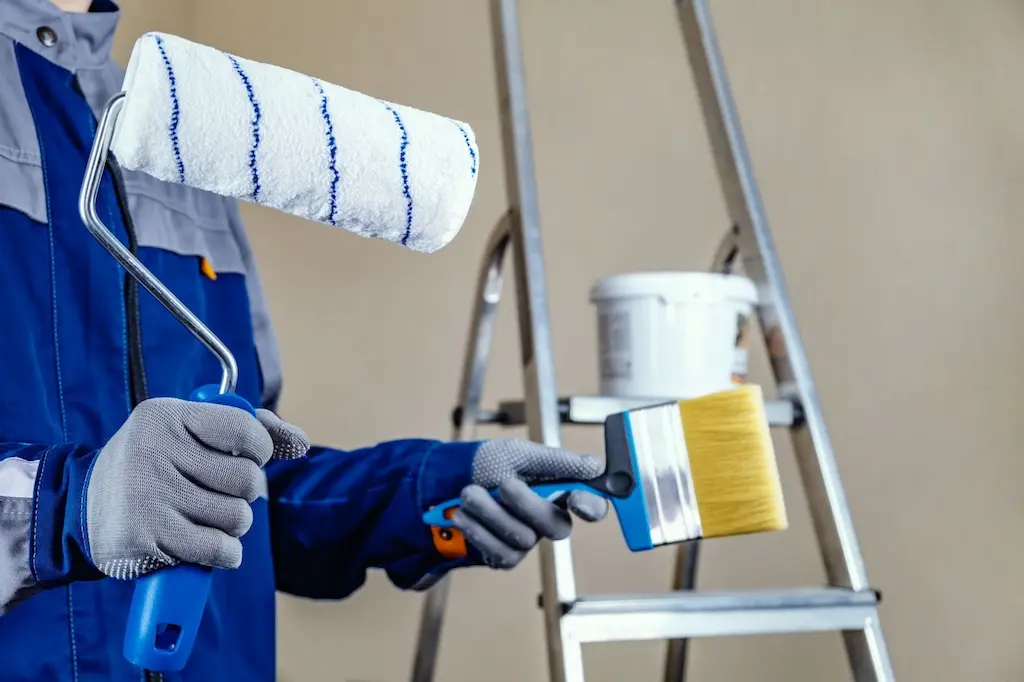
Ever seen those crisp, perfect paint lines that make walls look like they came straight out of a design magazine?
Professional painters don’t just have a steady hand, they have a system. It’s a combo of painter’s tape, masking, and clever home protection tricks that keep things clean, precise, and stress-free.
If you’ve ever wondered how pros paint without making a mess, or why your edges bleed paint despite using tape, you’re about to find out.
Why Taping and Masking Matter More Than You Think
It’s easy to assume that a neat paint job just depends on the brush or roller technique. But here’s the truth – clean edges start before the first coat of paint goes on.
Painter’s tape is designed to create clean separation between walls, ceilings, or trims. It prevents paint from bleeding under the edges and gives you that straight, satisfying finish.
- Painter’s tape vs masking tape:
Masking tape is for short-term tasks – great for quick fixes, but not for long paint sessions. It can let paint seep through or peel off fresh paint. Painter’s tape, on the other hand, seals better and peels off cleanly even after hours. - When to tape:
Always tape edges, window frames, door trims, and ceiling corners before painting. Pros even tape baseboards to prevent roller splatter. Before painting, make sure your walls are clean and dust-free with our Full House Cleaning Service – it helps paint and tape adhere better for that smooth, professional finish.
This is what makes their lines look laser-sharp while your walls might look a little, well… homemade.
The Tools Pros Use (and You Should Too)

Every painter swears by a small arsenal of prep tools. Using them right can make or break your results.
1. Painter’s Tape – For Sharp Lines
Choose a medium-adhesion painter’s tape if you’re painting over existing coats, and a low-adhesion tape for delicate surfaces like wallpaper or freshly painted walls. Apply it evenly, and always press it down firmly to prevent paint bleeding.
2. Masking Materials – For Edge and Detail Work
Masking film or plastic sheeting works wonders for covering trims or fixtures without heavy taping. Pros use pre-taped masking film for quick coverage – perfect for DIYers who hate tedious prep.
3. Covers & Drop Cloths – For Floors and Furniture
Plastic sheets protect furniture, but they can be slippery. That’s why pros prefer canvas drop cloths – they absorb splatter and stay in place. Use plastic for lightweight protection and canvas for high-traffic areas. Planning a complete makeover? Pair your prep tools with expert Marble Polishing Services to revive dull floors and make your freshly painted walls stand out beautifully.
Pro Tip: Combine both! Plastic to block paint, canvas to stop slipping.
How to Stop Paint Bleeding and Splatter Like a Pro
This is the million-rupee question: How do you stop paint bleeding under tape?
Here’s the secret step professionals never skip:
👉 Seal your painter’s tape edges before painting.
After taping, run a thin layer of the base wall color along the tape line first. This fills the micro-gaps that paint might otherwise seep into. Once it’s dry, apply your main color- and voila, zero bleed lines.
Other pro hacks:
- Remove tape while the paint is slightly wet. It avoids peeling.
- Keep a damp cloth nearby. Catch splatters before they dry.
- Paint away from tape edges, not into them. For lasting results, consider our Waterproof Painting Services – perfect for walls exposed to moisture, ensuring clean lines that stay sharp and damage-free.
And if you accidentally drip paint? Don’t panic, a damp microfiber cloth can rescue you faster than sandpaper ever will.
How Pros Protect Homes During Painting

Ever wonder how professionals leave a spotless home even after a full repaint? The secret’s in their prep routine.
They don’t just cover furniture – they plan protection zones.
- Floors: Canvas drop cloths or old bedsheets (for small areas).
- Fixtures: Masking film or aluminum foil around handles and switches.
- Electronics: Plastic wrap – quick and disposable.
- Fans and lights: Unscrew or wrap in cling film.
They also tape around sockets, door frames, and baseboards for splatter-free painting. Afterward, pros sweep, mop, and check for residue before finishing up.If your painting project uncovers hidden damage like cracks or loose tiles, our Home Inspection Services can help identify and fix issues before they worsen.
Because no one wants to admire a freshly painted wall surrounded by dusty footprints.
The Final Word – Prep Smart, Paint Smarter
Painting isn’t just about color – it’s about precision and protection.
The difference between a DIY job and a professional-looking finish lies in the prep work.
So, before you pick up that roller:
- Tape carefully.
- Mask wisely.
- Cover everything that matters.
You’ll spend less time cleaning and more time admiring your freshly painted masterpiece.
And remember: the sharpest paint lines and cleanest homes aren’t magic – they’re just the result of smart prep and the right materials.
At Clean Fanatics, we believe every spotless corner and crisp wall edge tells a story of care, detail, and professionalism – so your home shines brighter, inside and out.
FAQ Section
Painter’s tape is designed for clean removal and precision. Masking tape can leave residue or tear paint if left too long.
Seal tape edges with the wall color first, then apply your main paint. Always remove tape before the paint fully dries.
Use drop cloths, plastic sheets, and masking film for protection. Cover floors, furniture, and fixtures before painting starts.
It’s best not to. Once removed, adhesion drops and paint can bleed through reused tape.