 Skip to content
Why Your Toilet is Rocking or Moving After Installation (Major Red Flag!)
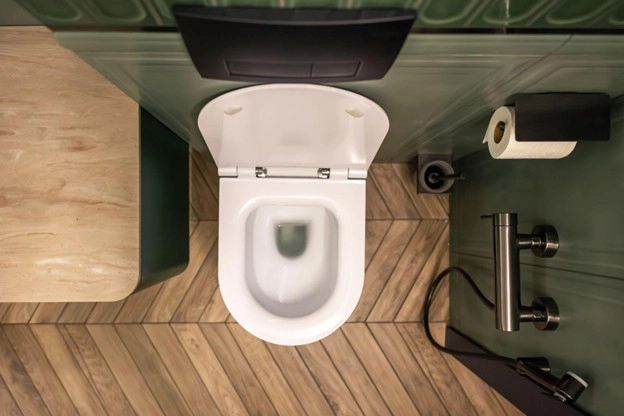
You finally installed a brand-new toilet. Everything looks perfect – shiny porcelain, clean seals, and modern fittings. But the moment you sit down, it rocks. You feel a slight wobble, hear a click, or worse – notice it shifting when you step away.
“Is this normal?” you wonder.
“Did the plumber mess up?”
“Could this cause bigger problems?”
A rocking toilet isn’t just annoying; it’s a serious warning sign. Ignoring it can lead to leaks, floor damage, mold growth, or even structural issues. Let’s break down exactly why toilets rock, what it means for your home, and how you can fix it.
Loose or Improperly Installed Flange
The toilet flange is the piece that connects your toilet to the drain and anchors it to the floor. If it’s loose or installed incorrectly, the toilet will rock every time someone sits on it.
Why this happens:
- Flange bolts aren’t tightened enough, leaving the toilet free to move.
- Flange height doesn’t match the floor or tile thickness, creating instability.
- The flange cracked during installation or over time.
Signs to look for:
- Toilet moves side to side when you sit or push it lightly.
- You hear cracking, clicking, or popping sounds.
- Water seepage at the base, especially after flushing.
Fix:
A professional can replace or resecure the flange. Sometimes adding a flange extender or shims stabilizes the toilet if the height is off. Correcting this early prevents leaks and protects your bathroom floor. You can also explore our Bathroom Renovation services to ensure proper installation and long-lasting fixtures.
Uneven Subfloor or Floor Damage
Even the best installation won’t stay rock‑free if the subfloor is uneven or damaged. This is especially common in older homes or recently renovated bathrooms where tiles or cement screed weren’t perfectly level.
Why it matters:
- Floating or uneven tiles leave gaps under the toilet base.
- Water damage or rot weakens the floor support.
- The toilet isn’t sitting flush, causing rocking and potential leaks.
Signs to check:
- Toilet feels solid in one area but lifts slightly at the opposite side.
- Hollow sounds when tapping certain spots near the base.
- Visible gaps around the toilet perimeter.
Fix:
Leveling the floor, adding shims, or replacing weak subfloor sections ensures the toilet sits perfectly flat. A stable base also reduces long-term wear on your toilet and prevents further movement. For additional support, our Tiles/Stone Replacement services can help create an even, durable floor for your bathroom.
Wax Seal or Rubber Gasket Issues
The wax ring or rubber gasket seals the toilet to the drainpipe. If this seal is compromised, it can allow the toilet to move, leak, or wobble.
Common causes:
- Wax ring wasn’t installed straight or compressed unevenly.
- Rubber gaskets were misaligned or of low quality.
- Wax hardened before the toilet was set properly, leaving gaps.
Signs to look for:
- Water pooling around the base, even after tightening bolts.
- Strong sewer odor coming from the bathroom floor.
- Toilet rocks or tilts even after flange and bolts are secured.
Fix:
Replacing the wax ring or upgrading to a modern rubber gasket seal usually fixes the wobble and prevents leaks. This is a simple yet critical step that shouldn’t be ignored. Consider our Waterproofing services to protect seals and prevent moisture-related problems.
Heavy Use, Shifting Tiles, or Seasonal Changes
Sometimes a toilet seems fine initially but starts moving later. Environmental changes, floor settling, or heavy use can reveal hidden installation issues.
Why it happens:
- Tiles or floorboards expand in humid months and contract in dry seasons.
- Heavy users can cause slight shifting over time if the installation wasn’t tight.
- Minor floor settling after renovation exposes small gaps that weren’t visible before.
Prevention tips:
- Check tightness of bolts after a week or two of use.
- Ensure proper expansion gaps under tiles and around the flange.
- Avoid standing or rocking the toilet during initial settling.
These small habits can prevent the toilet from loosening over time and keep your bathroom floor intact. You might also benefit from our Full House Cleaning services to maintain hygiene and prevent hidden moisture in bathrooms.
Final Word: Don’t Ignore a Rocking Toilet
A rocking toilet is never just a minor annoyance. It’s a major red flag signaling issues with the installation, subfloor, flange, or seal. Ignoring it can lead to leaks, mold, odors, and expensive bathroom repairs.
Addressing the problem early is crucial – a quick inspection can save your floor, tiles, and overall bathroom integrity.
At Clean Fanatics, we help homeowners identify these issues early, secure loose toilets, and provide professional fixes to ensure your bathroom stays safe and functional.
FAQs
A slight wobble for the first day might be okay, but persistent movement indicates a problem.
Minor shimming or tightening bolts can help, but flange issues or subfloor damage usually require a professional.
Leaks, mold growth, tile or floor damage, odors, and structural problems.
Check if the toilet rocks even after bolts are tight. Look for gaps or movement near the flange.
As soon as you notice it. Early intervention prevents leaks and long-term damage.