 Skip to content
Renovation Waste Disposal: How to Manage Debris, Tiles, Cement and Packaging
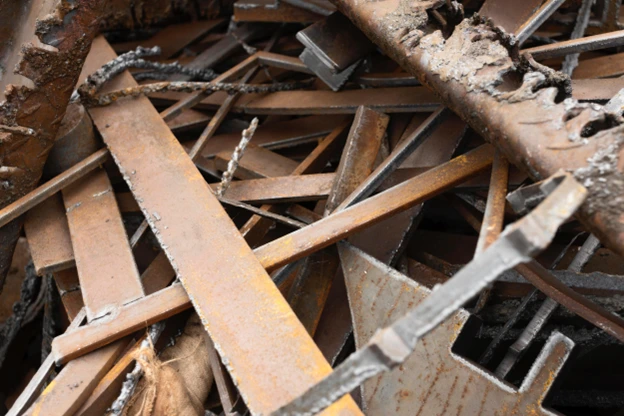
Renovating a home is exciting, but all that debris, leftover tiles, cement bags, packaging, and broken fixtures can quickly turn into a huge headache if not handled properly. From sharp tile edges to dusty cement powder, unmanaged waste can create safety hazards for your family, damage your property, and even lead to fines if disposal rules aren’t followed. Poor waste management isn’t just messy – it can be unsafe, harmful to the environment, and surprisingly costly if you don’t plan ahead.
If you’ve ever wondered:
- “How do I dispose of renovation waste responsibly?”
- “Can tiles or cement be recycled?”
- “Should I hire a service or handle debris myself?”
- “What’s the best way to manage all the packaging and leftover materials?”
You’re in the right place. This guide covers everything from understanding why gaps and leftover materials appear, to proper sorting, recycling, and professional assistance, so your renovation stays clean, safe, and sustainable while keeping stress to a minimum.
Why Renovation Waste Disposal Matters
Many homeowners underestimate the importance of managing renovation debris. It’s not just an eyesore, waste can:
- Lead to accidents: sharp tiles, broken glass, or heavy cement bags can injure anyone.
- Cause structural damage: leftover water-logged cement, wet plaster, or organic debris can attract pests or cause dampness.
- Harm the environment: throwing debris in regular trash increases landfill waste and can contaminate soil or water.
Understanding why proper disposal matters is the first step to keeping your home, family, and surroundings safe.
Sorting and Categorizing Debris

Not all renovation waste is the same. Proper categorization makes disposal and recycling easier:
- Tiles & Ceramics
- Broken or leftover tiles can often be recycled into paving or construction aggregate.
- Avoid mixing with organic or wet waste to prevent contamination. For expert tile removal and replacement during renovations, check out our Tiles/Stone Replacement services.
- Cement, Plaster, and Mortar
- Cement bags, powder, and old plaster should be kept dry.
- Large amounts can be taken to recycling plants that crush concrete for reuse.
- Packaging & Cardboard
- Boxes, cartons, and plastic wrap can usually go to municipal recycling streams.
- Flatten cartons to save space.
- Hazardous Materials
- Paint cans, solvents, adhesives, and chemical cleaners need special handling.
- Never pour them down drains; check your local hazardous waste collection rules.
- Mixed Debris
- Wood, metal, tiles, and drywall scraps should be separated wherever possible.
- Clear labeling helps collection services handle waste efficiently, especially if you are clearing out space for a balcony renovation for plants and need to separate old pots from construction debris.
DIY vs Professional Waste Management
Homeowners often ask: “Should I handle renovation waste myself or hire experts?”
DIY Tips:
- Rent a skip bin or large container for debris.
- Use heavy-duty gloves, goggles, and dust masks.
- Bag small debris and sort by type before pickup. We also offer Full House Cleaning after renovations to make your home move-in ready.
Professional Services:
- Offer collection, sorting, and responsible disposal.
- Can handle heavy items like cement bags, large tiles, or bathroom fixtures.
- Ensure compliance with local disposal regulations. Professional renovation teams often coordinate with Bathroom Renovation services to manage debris and complete the project efficiently.
Pro tip: If your renovation is mid- to large-scale, professional waste management saves time, reduces injury risk, and prevents fines.
Recycling and Sustainable Practices
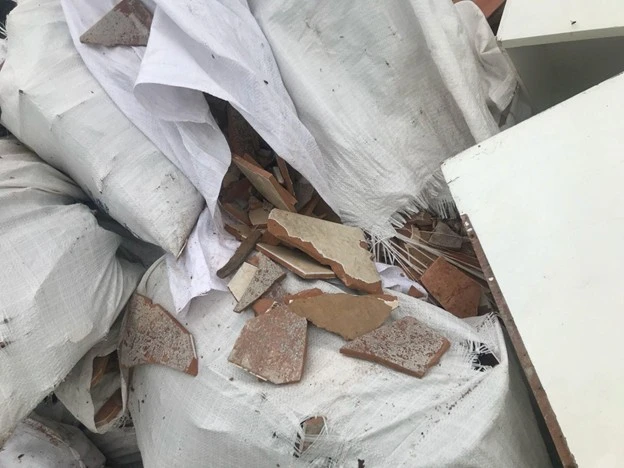
Recycling renovation waste is not just eco-friendly, it can save money too.
Tiles & Stone: Break old tiles into pieces for flooring underlay, driveways, or landscaping.
Concrete & Cement: Some plants crush leftover concrete for aggregate used in new construction.
Metal & Wood: Scrap metal and untreated wood can often be sold or donated.
Packaging: Recycle cardboard, plastics, and polystyrene according to municipal guidelines.
Even simple steps like segregating wet vs dry debris, or keeping hazardous items separate, make a huge difference in sustainability and reduce your carbon footprint. Consider our Marble Polishing services to restore any stone surfaces affected during renovation.
Final Word
Renovation waste disposal might seem tedious, but planning ahead transforms it from a stressful chore into a smooth, organized process. Sorting, recycling, and professional help ensure safety, environmental responsibility, and peace of mind.
At Clean Fanatics, we specialize in debris management, tile disposal, cement removal, and full-scale renovation cleanup. Our team ensures your home stays safe, clean, and hassle-free during and after your renovation.
FAQ
Break them into smaller pieces, separate from organic waste, and take them to a recycling center or authorized landfill.
Yes. Dry leftover cement can sometimes be reused in small projects, and large amounts can be sent to crushing plants for construction aggregate.
Depends on your municipality. Large renovations often require skip permits or approved collection services.
Never mix with general waste. Use local hazardous waste collection services to ensure safe disposal.
For large-scale renovations, yes. It saves time, prevents injury, ensures legal compliance, and guarantees responsible disposal.