 Skip to content
What to Do First: Bathroom, Kitchen or Waterproofing? A Simple Order That Works
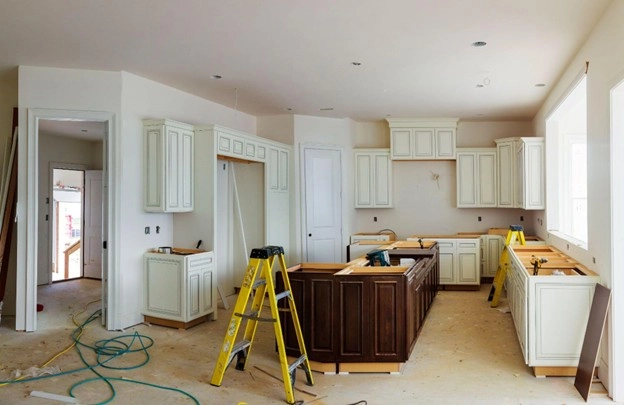
Renovating your home can feel like you’re juggling tasks – the kitchen needs updating, the bathroom wants a makeover, and you’re worried about waterproofing issues. “Which comes first?” is a common question. Getting the order right can save time, money and frustration. Drawing on real renovation experience, this guide breaks down the optimal sequence – it’s straightforward, practical and built to work.
Why Order Matters – Skip Rework and Hidden Costs
Think about it: if you remodel a kitchen, then later discover a leak from a poorly waterproofed bathroom wall, you’ll end up undoing work. That’s messy. Proper ordering matters because:
- It prevents damage to finished surfaces (tiles, cabinets) when underlying issues are fixed later. If your floors or surfaces are already dull or scratched, consider adding marble polishing services to restore the shine before other renovation stages begin.
- Helps contractors work efficiently: plumbing, waterproofing and finishes each have their place.
- Saves your budget: Investing time early in preparation avoids expensive rework later.
When you renovate, the order is not about preference, it’s about logic. Many home-owners ask: “Should you waterproof before tiling?” or “Do I tackle the bathroom or kitchen first?” This section sets the stage for the simple order we’ll follow.
First Step – Waterproofing (Why It Should Come First)

It may feel counterintuitive to “do waterproofing first,” especially when you’re excited about new tiles and fixtures. But here’s why it often leads:
Why start with waterproofing?
- All hidden defects (leaks, seepage, compromised membranes) get addressed before finishes go on.
- Once waterproofing is complete, you can tile, paint and install cabinets without fear of damp surprises later.
- It reduces the chance of mold, damp patches, and structural damage.
What this step involves
- Check membranes, drains, balcony edges, bathroom wet zones.
- Ensure slopes enable drainage (floor slopes, balcony slopes).
- Confirm there is proper sealant, flashing, and that the contractor has tested for leak-proofing. For walls that also need resurfacing before membrane installation, you can include replastering services to ensure a clean base for waterproofing.
When you might delay waterproofing
- If the structure is brand new and certified safe, you might combine it with bathroom works, but still ahead of final finishes.
- If budget or schedule constraints demand it, ensure at minimum that all heavy plumbing is done before finishing.
In most real-world renovation cases, starting with waterproofing gives you a clean slate for everything else.
Second Step – Bathroom Renovation (Wet Zone First)
Once waterproofing is done, the next logical focus is your bathroom. Here’s why it often takes second place:
Why bathroom comes next
- Bathrooms are “wet zones” and most likely to have issues if done last.
- Finishing this area first means you’re dealing with heavy-duty plumbing, tiling and fixtures while allowing the rest of your home to remain usable.
- It sets a strong foundation for adjacent spaces (utility rooms, hallways) too.
Typical sequence in bathroom renovation
- Remove old fixtures, complete plumbing rough-in.
- Apply waterproofing (if required and not done entirely earlier).
- Lay floor tiles, install drainage and slopes.
- Fix wall tiles, sanitary-ware, mirror, lighting. If your bathroom plan includes a modern upgrade, shower enclosure installation services can be added at this stage for a neater, more premium finish.
- Finishing touches: cabinets, accessories, glass screens.
Doing the bathroom second means you can then move to spaces like the kitchen without worrying about major wet-zone disruptions.
Third Step – Kitchen & Dry Zones (Cabinets, Flooring, Finishes)
With waterproofing and bathroom done, you’re free to focus on the kitchen and other “dry zones”-rooms where the risk of water damage is lower.
Why kitchen comes after
- The kitchen relies on plumbing but not as intensely as a wet bathroom zone.
- When the major wet-zone fix-ups are done, you can tile, install cabinets and finish flooring without heavy construction work around you.
- Finishes in dry zones tend to last longer when they’re not impacted by leaks or dampness.
What to tackle in this phase
- Complete flooring, tiling, backsplash work.
- Install plumbing points for sink, dishwasher, water purifier.
- Fit cabinets, countertops, appliances.
- Add lighting, ventilation, finishing touches like handles and splash-backs. Once all dust-producing work is done, a professional kitchen cleaning service ensures the space is spotless before appliances and cookware return.
In short: by the time you’re dressing the kitchen, your major risk areas are already handled.
Final Word – Your Smart Renovation Walkthrough
You’ve now got the smooth sequence mapped: waterproofing first → bathroom second → kitchen and dry zones third. That order prevents costly surprises, protects your surfaces, and keeps your renovation flowing.
Take your time during each phase. Double-check slopes, drains, waterproofing, fixtures. Resist the temptation to rush into tiling or cabinet-fit-outs until the foundational work is solid.
At Clean Fanatics, we believe every homeowner deserves a renovation that flows logically, delivers value and protects your investment from day one.
FAQs
You can, especially if the bathroom is fully functional and minor. But you’re taking a risk because wet zone issues may force re-work later.
Yes- especially wet zones like under the sink or utility/washer spaces. But full waterproofing is most critical for bathrooms, balconies and wet zones.
Then you’ll adapt: check waterproofing integrity, fix major wet-zone issues first, then proceed. The key principle remains: hidden work before it finishes.
Generally 24–48 hours for membrane curing (varies by product). Always follow manufacturer instructions and test slopes/drains before tiling.