 Skip to content
Pre-Construction vs Post-Construction Termite Proofing: What Your New Home Needs and Why
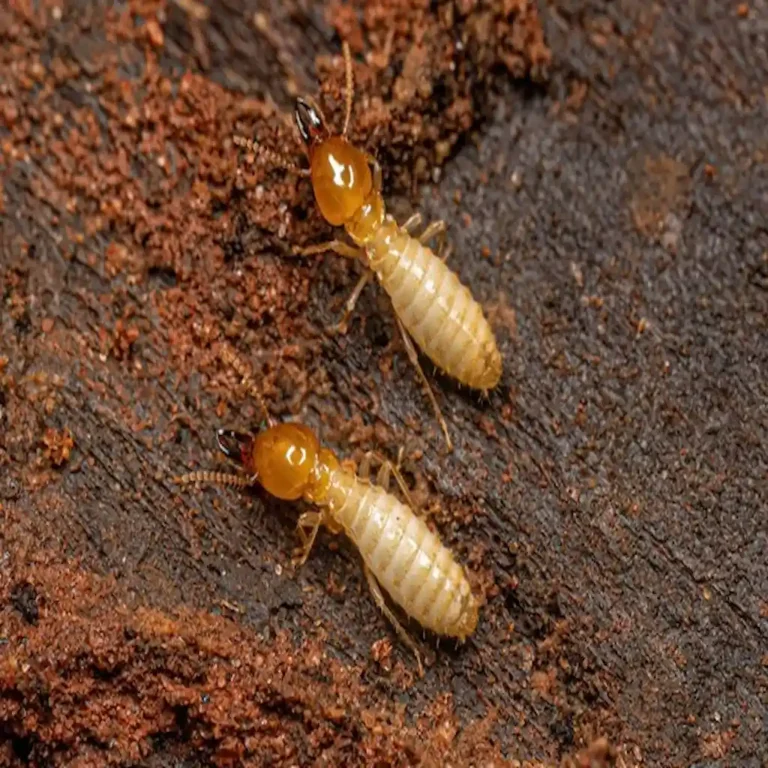
Termites are one of the biggest threats to a new home- silent, hidden, and capable of causing lakhs in damage before you even notice. Whether you’re building a house or moving into a finished one, choosing the right termite protection at the right stage is crucial. Pre-construction and post-construction treatments may sound similar, but they work differently, protect differently, and cost you differently. In this guide, we break down what each treatment does, when you need it, and how to choose the right solution for long-lasting protection.
What Pre-Construction Termite Proofing Actually Does (And Why Experts Recommend It First)
Pre-construction termite treatment is the method pest-control experts swear by – and for good reason. It’s applied before the flooring, tiling, and foundation layers close up, giving technicians access to the soil and key structural touchpoints.
Why it matters
- Termites enter a home through the soil first. Treating the soil before the building starts blocks their primary entry route.
- The chemical barrier is evenly applied without any obstruction from flooring, tiles, plumbing, or walls.
- It lasts longer because the treatment is placed directly into the earth and foundation. Looking for structural clarity before building? Try our quick home inspection service.
What happens during pre-construction treatment
Homeowners usually never get to see the process, but here’s what actually happens:
- Soil treatment: The soil below the foundation is saturated with anti-termite chemicals.
- Trench and perimeter treatment: Experts dig shallow trenches around the home site to build a uniform barrier.
- Retaining wall treatment: Inner perimeter walls get additional layers before concrete is poured.
- Pipe and joint treatment: Technicians treat spaces where plumbing or ducts may allow termite entry.
Benefits you can’t get later
- Complete coverage – you can’t access these areas after floors are laid.
- Long-term protection – lasts 5-10 years with periodic checks.
- Lower cost – cheaper when applied before construction.
- Zero disruption – the work happens before you move in.
In new homes, pre-treatment is the closest thing to a “termite vaccine.” That’s why builders, architects, and pest experts insist it’s essential, not optional.
Post-Construction Termite Treatment – What It Fixes and When You Actually Need It
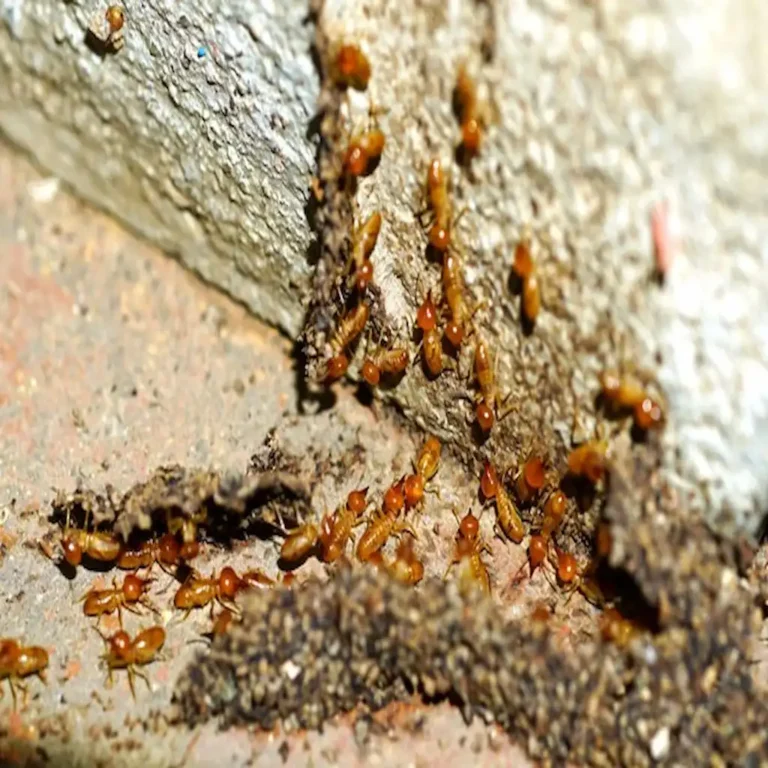
Once the home is built, your options change. Post-construction treatment focuses on treating existing or high-risk termite activity – not preventing their soil-based entry.
When homeowners need post-construction treatment
You should get post-construction treatment if:
- The building was constructed without pre-treatment.
- You see early signs of termites (hollow wood, mud tubes, powdery droppings).
- You live in a termite-prone area with nearby soil, garden beds, or wooden furniture.
- You want an annual protection plan. Moving into a treated home? A full-house deep clean keeps it fresh and safer.
What the process looks like
Since the soil under your home is no longer accessible, experts rely on:
- Drilling + chemical injection: Small holes are drilled along walls and floors to inject the termiticide into hidden soil pockets.
- Wall void treatment: Walls with signs of infestation are injected using micro-nozzles.
- Baiting systems: Stations placed around the home attract termites and stop colony growth.
- Perimeter spraying: Applied where visible infestation risks exist.
Limitations to know
Post-construction treatment is effective, but not perfect.
- It can’t reach certain concealed areas.
- It requires repeat treatments every 1-3 years.
- It fixes the problem after risk has already begun.
- It’s usually more expensive than pre-treatment because it’s labour-intensive.
Think of it as:
Pre-treatment = Preventive seatbelt
Post-treatment = Emergency airbag
You need both at times, but prevention always protects better and cheaper.
Pre vs Post – Which Approach Protects Your Home Better? (Side-by-Side Breakdown)
Here’s a simple, homeowner-friendly comparison.
1. Coverage
- Pre-construction:
- Full soil coverage
- Uniform chemical barrier
- Protects the structure permanently
- Post-construction:
- Partial coverage
- Depends on drilling access
- Works mostly for existing risks. Renovating floors later? Our marble polishing service restores shine instantly.
Winner: Pre-construction
2. Cost
- Pre-construction: Lowest – minimal labour, done before building begins
- Post-construction: Higher – drilling, injection, reapplications
Winner: Pre-construction
3. Longevity
- Pre: 5-10 years
- Post: 1-3 years before retreatment
Winner: Pre-construction
4. Best Use-Case
- Pre: New builds, renovations, extensions
- Post: Homes built without termite treatment or those showing signs of infestation
Both play different roles – but pre-construction has the strongest preventive value while post-construction is essential for ongoing protection and damage control.
The Biggest Mistakes Homeowners Make (and How to Avoid Them)

From the blogs you shared, one pattern is clear: most termite damage happens because of avoidable mistakes. Here are the common ones:
Mistake 1: Thinking termite treatment is optional
In India and other tropical climates, termite risk is high due to moisture, soil conditions, and wood usage. Skipping termite-proofing is like leaving your front door unlocked with the lights off.
Mistake 2: Waiting until you see termites
By the time you are identifying termite infestation in your walls, the colony has likely already entered and established itself within the structure.
Mistake 3: Relying only on post-construction treatments
Post treatment cannot replace the foundational barrier. It’s corrective, not preventive.
Mistake 4: Choosing cheap, low-quality chemicals
Low-grade termiticides wash away quickly and leave your structure exposed. If dampness seeping through that exposure, it causes termite risks and waterproofing your walls helps prevent it.
Mistake 5: Not scheduling annual inspections
Even the best treatment needs monitoring. Termites adapt quickly and can find micro-gaps.
How to avoid these mistakes
- Always choose IS-approved chemicals and certified technicians.
- Combine pre-construction + post-construction maintenance for maximum protection.
- Ask for the treatment map, chemical list, and warranty card.
- Schedule annual inspections, especially during humid seasons. Facing other pests too? Our bed bug treatment handles infestations fast.
Homeowners who follow these steps rarely face termite damage – and if they do, warranties usually cover repairs.
The Final Word – What Your New Home Really Needs
Pre-construction termite treatment is the foundation of long-term protection – it’s stronger, more affordable, and far more effective than anything you can apply after the home is built.
But that doesn’t make post-construction treatment unnecessary. It plays a crucial role in upkeep and ongoing defence, much like identifying hidden water damage early to prevent structural decay as the home ages.
The smartest approach for any homeowner?
Protect during construction, maintain after construction. This two-layer strategy keeps your home structurally safe, financially protected, and stress-free for years to come.
At Clean Fanatics, we ensure your home gets expert-grade termite protection with the right mix of preventive and corrective care – tailored to your property, soil type, and long-term needs.
FAQs
It’s not mandatory everywhere, but most builders and pest experts strongly recommend it because it’s the most effective long-term defence.
Typically 5-10 years, depending on soil conditions, chemical quality, and maintenance.
Yes, and it’s the strongest strategy for long-term protection.
Once a year is ideal, or twice in very humid or termite-prone areas.
Not when done with approved chemicals by licensed professionals.