 Skip to content
Why Your Newly Painted Walls Look Patchy or Dirty (Even Though They’re New)
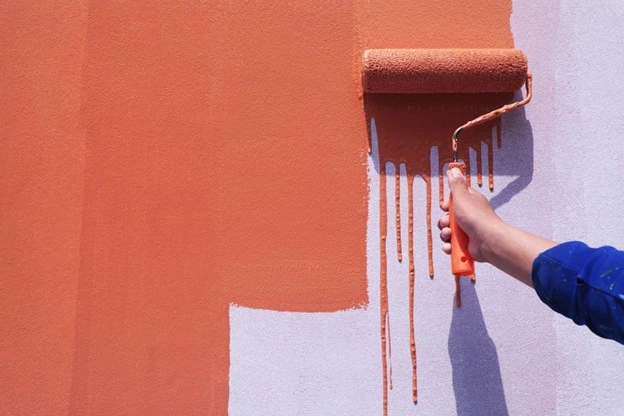
You finally got your walls painted. Fresh colour, fresh vibe, everything looking brand new… until you step back and notice patches, shadows, dull spots or dirty-looking areas.
If this sounds familiar, you’re not alone – homeowners deal with this far more often than painters admit.
Patchy or “dirty-looking” new walls aren’t always caused by bad paint. Sometimes it’s the surface, sometimes the technique, and sometimes climate or material choices.
Let’s break it down simply and clearly – no technical jargon, just real reasons and real fixes.
The Biggest Culprit: Uneven Wall Preparation
You can use the best paint on the market and still end up with patchy walls if the surface underneath wasn’t prepared properly. Most walls – especially in Indian homes – have hidden issues that show up only after painting.
What actually goes wrong:
- Old putty wasn’t sanded evenly, creating texture differences that absorb light differently.
- Dampness inside the wall, especially near bathrooms or external walls.
- Dust or loose plaster that stops paint from bonding uniformly.
- Previous stains and patches weren’t sealed before painting, so they reappear as shadows.
Why it looks dirty:
Paint highlights imperfections more than it hides them. When the surface underneath isn’t uniform, the topcoat dries unevenly, making some spots look darker, duller or stained.
How to fix/prevent it:
- Proper sanding with inspection under a bright light
- Dampness check (99% of painters skip this)
- Primer + putty + sanding done in the right order
- Spot sealing on old stains
If your walls also have deeper issues like cracks or loose plaster, explore our wall crack filling service to ensure the surface is perfectly uniform before repainting.
Poor Application Technique: Roller Marks, Missed Spots & Overlapping Strokes

Even when the product quality is great, messy technique can make walls look terrible.
Common mistakes painters make:
- Not maintaining a wet edge – paint dries mid-stroke and becomes patchy
- Applying uneven pressure on rollers, creating light vs. dark areas
- Diluting the paint too much
- Using cheap rollers or old brushes that leave streaks
- Skipping the second or third coat
Why it looks dirty:
Light catches uneven roller strokes differently, making the wall look streaky even when the colour is correct.
How to fix/prevent it:
- Use consistent roller pressure
- Work in small sections
- Correct dilution
- Insist on good rollers and two-three coats
For homes that also need a fresh start beyond walls, our full house cleaning service helps remove dust and residue that often settles during repainting.
Paint Quality Mismatch: Cheap Paint + Wrong Finish = Bad Results
Not every paint is meant for every wall. And not every paint finish hides flaws.
What goes wrong:
- Matte paints highlight wall texture if the surface isn’t even
- High gloss or satin can exaggerate every minor defect
- Cheap emulsions attract dust quickly and look dirty
- Moisture-prone rooms need special paints but often don’t get them
Why it looks dirty:
Low-quality paint absorbs dust, oil vapours and moisture faster – especially in Indian homes where humidity is high and kitchens run daily.
How to fix/prevent it:
- Use washable emulsions in high-use areas
- Use matte or velvet finish for uneven walls
- Choose paint based on room type, not just colour
And if your kitchen walls get dirty or greasy quickly, our kitchen cleaning service can help maintain a spotless finish long after painting.
Lighting & Drying Conditions: The Invisible Factor Most People Forget

This is one of the most underrated reasons new walls look patchy.
What happens:
- Paint dries faster under direct sunlight, slower in corners
- LED lights highlight micro-textures differently
- Painting during very humid days causes tacky, uneven drying
- Fans or AC running during application cause flashing (shine variations)
Why it looks dirty:
In certain angles or day- night lighting, you see streaks, dull areas or patches that weren’t visible during painting.
How to fix/prevent it:
- Paint during normal daylight, not harsh sun
- Maintain consistent airflow
- Inspect under multiple lights
- Allow proper drying time between coats
If you’re worried the patchiness might actually be due to hidden moisture, our home inspection service can identify damp spots before they become major repainting issues.
Hidden Moisture Problems: The Silent Creator of Stains & Dark Patches
If walls look dirty within days or weeks, moisture is almost always involved.
Signs you’re dealing with moisture:
- Dark circles or spreading patches
- Paint peeling or bubbling
- Corners looking dirty faster
- Musty smell near wall edges
Why it looks dirty:
Moisture rises through plaster and creates uneven absorption zones that make the paint look darker, patchier or stained.
How to fix/prevent it:
- Damp-proofing before painting
- Checking bathroom and kitchen backside walls
- Using moisture-resistant base coats
- Fixing leaks before repainting
Final Word
Newly painted walls shouldn’t look patchy – and when they do, it’s almost always because something was skipped: preparation, the right paint, the right technique or proper drying conditions.
If you’re planning a repaint or want to rescue walls that already look uneven, getting the right prep and application can make all the difference.
And if you ever need expert, clean, precision-driven painting support, you know where to find us – at Clean Fanatics.
FAQs
Sometimes yes – if the issue is just uneven absorption. Spot-priming and repainting one coat often works.
Not always, but cheap paint tends to absorb dust faster and show imperfections more prominently.
Angle-based lighting highlights surface-level unevenness and roller marks.
At least 4-6 hours for interiors – longer in humid climates.
Corners often retain moisture and absorb paint unevenly, creating a duller look.