 Skip to content
Painting Over Waterproofing: Bonding Primers and Systems That Don’t Fail in a Year
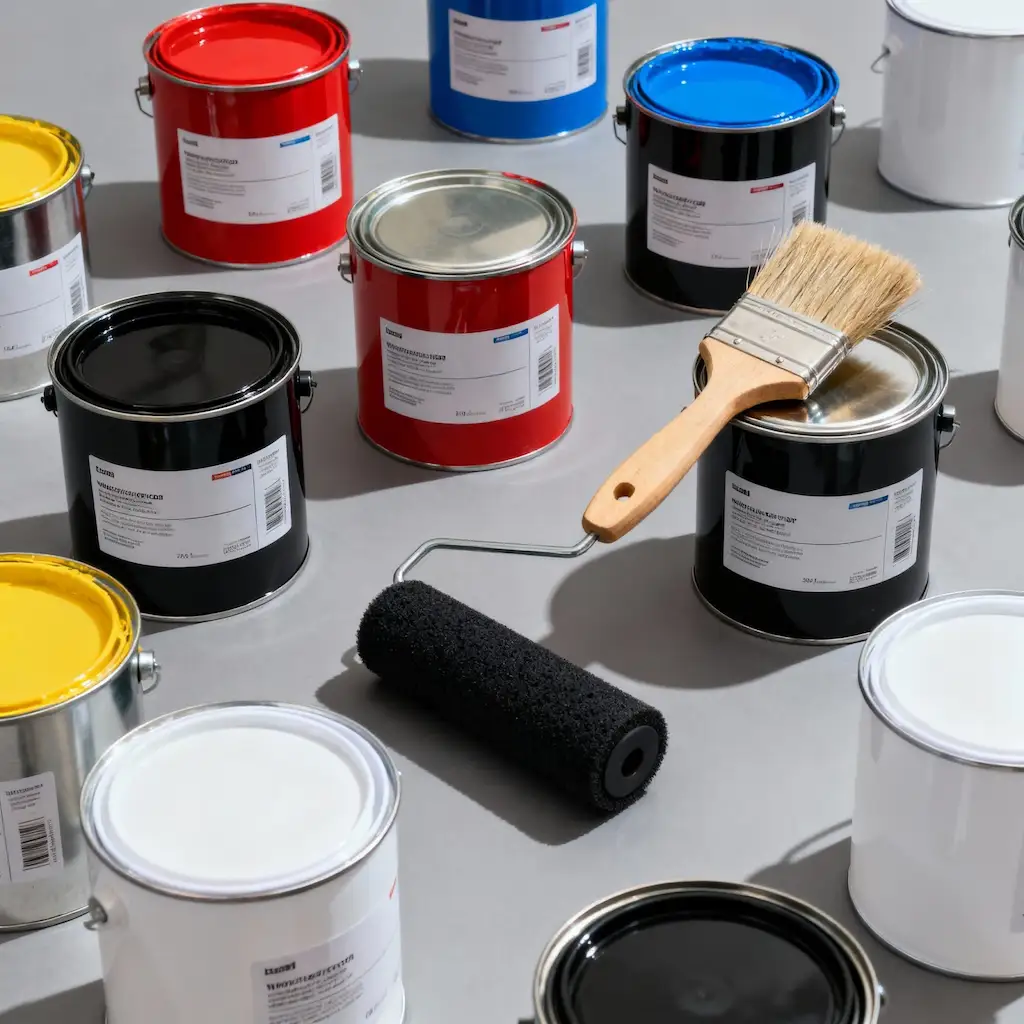
If you’ve recently waterproofed a wall, terrace, or balcony, you might think painting over it is simple – just grab your paint and brush it on. But anyone who has experienced peeling, flaking, or bubbling paint within months knows the reality: painting over waterproofing is more complex than it seems.
The secret to long-lasting paint lies in understanding the right primers, compatible paint systems, and proper preparation. This guide will walk you through why paint often fails on waterproofed surfaces, the role of bonding primers, choosing the correct paint, and a step-by-step approach to ensure your paint lasts well beyond a year.
Why Paint Fails on Waterproofed Surfaces
Even with the best intentions, paint on waterproofed walls can fail if certain factors are overlooked. The most common causes include:
Incompatible layers: Standard paints are usually designed for masonry or plaster. Polymer-based waterproof coatings are smooth and flexible, and ordinary paints often cannot bond properly. Without a bonding primer, paint may lift entirely, especially under heat or moisture stress.
Residual moisture: Waterproofing doesn’t always mean zero moisture. Some walls, especially exterior walls or terraces, may retain tiny amounts of dampness. Painting too soon over a still-damp layer can result in bubbles, peeling, or cracking.
Surface texture: Waterproofing coatings often leave a slick, slightly elastic finish. Standard primers and paints struggle to grip this surface, making it easy for the topcoat to detach.
Environmental stress: Sunlight, rain, and fluctuating temperatures cause expansion and contraction. Paint applied over waterproofed layers without flexible primers or coatings may crack or peel.
Shortcut fixes: Many homeowners skip priming or use generic primers. While the wall may look fine initially, failure often occurs within the first 6-12 months, making rework necessary. Before starting any painting project, consider a full house cleaning to remove dust, debris, and grease for a smooth application.
Understanding these factors helps you anticipate potential problems and choose the right system from the start.
Bonding Primers: The Key to Longevity

Bonding primers are the unsung heroes of painting over waterproofing. They act as a bridge between the waterproof layer and your paint, ensuring the topcoat adheres correctly and lasts longer.
Benefits of bonding primers:
- Enhanced adhesion: Primers allow the paint to “grab” the smooth, flexible surface of waterproof coatings.
- Surface neutralization: Waterproof coatings can be chemically reactive or slightly porous. Primers create a uniform base for painting.
- Flexibility: They accommodate minor movements caused by temperature changes or structural shifts, preventing cracking.
- Moisture resistance: Many primers add an extra barrier against trapped moisture, reducing peeling and bubbling risks.
Types of bonding primers:
- Acrylic-based primers: Best for polymer waterproof coatings and plastered masonry.
- Epoxy or polyurethane primers: Suitable for highly impermeable surfaces, balconies, or terraces with heavy exposure.
- Water-based primers: Ideal for interiors; low odor and environmentally friendly.
Pro tip: Always verify compatibility. Manufacturers provide charts or instructions for which primers pair best with specific waterproofing systems. Choosing the wrong primer is a common reason paint fails within a year. Enhance your walls further with interior painting services for a flawless, long-lasting finish.
Choosing the Right Paint System
A high-quality paint system over a bonding primer ensures durability and aesthetics. Here’s how to make the right choice:
Exterior vs. interior:
- Exterior walls need UV-resistant, flexible paints that can endure monsoon rains, heat, and pollution.
- Interior walls benefit from washable, moisture-resistant paints that resist peeling in high-humidity areas like kitchens or bathrooms.
Topcoat quality: Use paints specifically formulated for waterproofed surfaces. Avoid generic emulsions or enamels, as they may not bond well over polymer coatings.
Proper layering:
- Sequence: Waterproofing → bonding primer → topcoat.
- Each layer has a purpose: protection, adhesion, and finish. Skipping a step reduces the lifespan of your paint.
Maintenance-friendly features: Anti-fungal, anti-chalking, and washable paints improve longevity and appearance, keeping walls cleaner and reducing the risk of failure. Combine durable paint with marble polishing for polished floors that complement your freshly painted walls.
Choosing the right paint system is not just about color – it’s about durability, weather resistance, and compatibility with the underlying waterproofing.
Step-By-Step: Painting Over Waterproofed Surfaces

Here’s a practical, fail-proof sequence for walls or terraces:
- Ensure waterproofing is fully cured: Follow manufacturer guidelines – typically 7-14 days for polymer coatings.
- Surface cleaning: Remove dust, debris, or grease. Light sanding can create a slightly rough texture for better primer adhesion.
- Apply a bonding primer: Use a roller or brush. For smooth or highly impermeable surfaces, two coats may be necessary. If you notice structural issues before painting, schedule a home inspection to ensure your walls are stable and safe.
- Topcoat application: Choose flexible, high-quality paint. Apply in thin, even coats, following recommended drying times between coats.
- Inspection and maintenance: Even after painting, check walls periodically, especially after monsoon or heavy rain. Address minor issues early to prevent major damage. Protect your property from damage beyond paint with our pest control services, including termite prevention, to safeguard walls and structures.
Following this sequence prevents early paint failure and ensures your wall stays aesthetically pleasing and structurally protected for years.
Final Word
Painting over waterproofing is not just about aesthetics, it’s about long-term protection. The key lies in proper surface preparation, using the right bonding primer, and choosing a compatible, durable paint system.
At Clean Fanatics, we help homeowners navigate this process with expertise, ensuring your walls and terraces are not only beautiful but also protected for years. From selecting the correct primer to ensuring proper paint application, we make sure your investment in waterproofing and painting delivers lasting results.
FAQs: Painting Over Waterproofing
No. Most waterproof coatings need 7–14 days to fully cure. Painting too soon can lead to peeling or bubbling.
Use a bonding primer compatible with your waterproof coating. Acrylic-based primers suit most polymer coatings, while epoxy or polyurethane primers are ideal for terraces or heavily impermeable surfaces.
Peeling usually happens due to poor adhesion, trapped moisture, or incompatible paint. Skipping a bonding primer or using standard paint often causes failure within a year.
Flexible, high-quality paints formulated for exterior or interior waterproofed surfaces are best. Anti-fungal and anti-chalking properties increase durability.
Follow the sequence: waterproofing → bonding primer → compatible paint. Ensure proper curing, surface cleaning, and maintenance checks after heavy rain or seasonal changes.