 Skip to content
New Apartment Handover: The Ultimate Snag List for Doors, Tiles, Slopes & Electricals
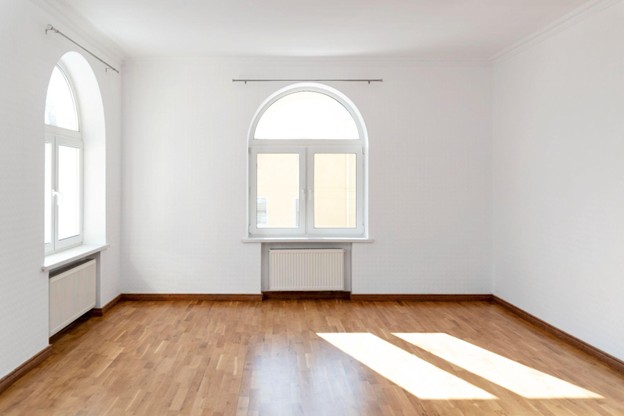
Moving into a new apartment should feel exciting, not stressful. But anyone who has ever taken possession of a freshly built home knows the truth: snag issues are real, and they can quietly cost you money, comfort, and peace of mind if you miss them during handover.
Most builders expect you to do a quick 10-15 minute walkthrough. But a proper inspection needs patience, a checklist, and a little technical awareness. This guide simplifies everything for you – especially the big four: doors, tiles, slopes, and electricals. These are the areas where homeowners most commonly face problems after moving in.
Below is a clear, practical, and easy-to-follow snag list to help you protect your investment from day one. And if you’re preparing the space for handover, our full house cleaning service ensures the home is spotless and ready to use
Door Checks You Should Never Skip
Your doors may look perfect at first glance, but issues tend to show up only after a few weeks of use. Instead, catch them early:
1. Alignment & Smooth Movement
Open and close every door fully – does it scrape the floor? Does it touch the frame? Does it swing back automatically?
- A well-aligned door stays exactly where you leave it.
- If it closes by itself, the frame or hinges are misaligned.
- If it rubs the floor, the flooring height or hinge placement is off.
2. Clearances & Gaps
You shouldn’t see large gaps at the top or sides. Gaps allow dust, insects, and noise to pass through easily.
- Check especially the main door – it should sit snugly within the frame.
3. Locking Systems & Hardware
Test all locks, latches, stoppers, and handles twice.
- Keys should rotate smoothly.
- Deadbolts should sit flush in the strike plate.
- Door closers (if provided) should not slam.
4. Door Material & Finish
Touch the surface – look for bubbles, uneven polish, or chipped laminate corners.
- Hollow sounds in wooden doors may indicate weak internal structure.
- Check for moisture swelling, especially in bathroom doors.
A poorly installed door becomes annoying fast – catching this during handover saves costly carpentry later. If you’re already noticing dust entering through gaps, a quick bathroom deep cleaning service can help you start fresh before moving in.
Tiles – Hollow Sounds, Unevenness & Grout Lines

Tile issues are extremely common in new apartments, and if not spotted early, they lead to cracks, seepage, and repair work within months.
1. Hollow Tiles Test
Tap tiles gently with a coin or metal object.
- A clear, sharp sound = good.
- A hollow or echo-like sound = tile not bonded properly.
Hollow tiles eventually crack or pop up. Get them replaced immediately.
2. Leveling & Lippage
Run your hand across adjoining tiles.
- If one tile edge is higher or lower, that’s called lippage.
- Uneven tiles can cause tripping and look poorly finished.
3. Cracks & Edge Chipping
Hairline cracks on floor tiles often go unnoticed until they widen later.
Check tiles in corners, near doors, and around toilet areas – these spots show early stress.
4. Grout Quality
Grout should be:
- Consistent in color
- Filled without gaps
- Not crumbling or powdery
Gaps in grout allow water seepage, especially in bathroom and kitchen areas. A few extra minutes spent inspecting tiles can save you months of irritation and rework. And if your tiles need refreshing after repairs, our marble polishing service can bring back a clean, uniform shine across the floor.
Slopes & Water Flow – Especially in Bathrooms & Balconies
Improper slopes are among the leading causes of seepage and complaints in new apartments. Once moisture enters your flooring, the repair process becomes messy and expensive.
Here’s what to check:
1. Bathroom Floor Slope
Pour a mug of water on the bathroom floor.
- It should naturally flow toward the drain.
- If water stagnates anywhere, the slope is incorrect.
Even small pockets of standing water create mold, damp smells, and slippery surfaces.
2. Balcony & Utility Area Slope
Once again, pour some water and watch the flow.
- Balconies should slope outward toward the balcony drain.
- Water should not flow toward the living room or walls.
3. Kitchen Utility Sink Area
Check the slope under the washing machine and sink areas – these zones are prone to overflow.
4. Drain Covers & Trap Condition
Ensure drain covers fit properly and traps are not blocked or loose.
A loose trap can cause smell issues even if the slope is correct.
Slopes are easy to ignore, but they affect your home daily. Fix them before taking possession. For balcony or bathroom moisture concerns, our waterproofing service helps protect surfaces from future seepage.
Electrical Checks – Safety First

Electrical problems aren’t just inconvenient, they can be unsafe. A quick but thorough inspection prevents hazards and expensive rewiring later.
1. Switchboards & Socket Functionality
Carry a small device like a phone charger to test every socket.
- Some sockets may not have power supply
- Some may spark slightly – a sign of loose wiring
- Switches should click firmly and not wobble
2. MCB & Distribution Board
Open the panel and check:
- All circuits should be labeled clearly
- No overheating marks
- Wires should not be loosely hanging
Many homeowners never open their panel, you should.
3. Lighting Points & Fixtures
Switch on every point:
- Flickering means loose contact
- Buzzing sounds indicate poor installation
- Tubelight and panel light wiring should be concealed neatly
4. Earthing
Ask the builder to demonstrate earthing – proper grounding is crucial for safety, especially for kitchen appliances, geysers, and washing machines.
5. AC Points & TV/Data Lines
Ensure:
- AC pipes are insulated
- Drip lines are in place
- TV and internet points are active
- No exposed copper wiring
A well-planned electrical setup improves both safety and comfort from day one. If electrical checks reveal deeper construction issues, our home inspection service offers a complete technical assessment before you move in.
Final Word – Do a Slow, Mindful Walkthrough
The biggest mistake homeowners make during apartment handover is rushing through it. Builders expect a quick approval, but this is your home – and even small issues today can turn into expensive repairs later. Take your time, walk through the space slowly, test every door, tile, slope, and switch, and document anything that feels off. A thorough snag check protects your investment, ensures long-term comfort, and gives you the confidence that your new home is truly ready for you.
At Clean Fanatics, we believe every new homeowner deserves a smooth, stress-free handover – and a home that’s perfect from day one.
FAQs
A snag list is a detailed checklist of defects, incomplete work, or finishing issues that must be fixed by the builder before you accept possession.
During the final handover visit – and ideally during a pre-handover visit, if the builder allows it.
Yes, but it’s easier and faster to get repairs done before you sign the handover documents.
You can. They use laser tools, moisture meters, and trained checkers. If you’re unfamiliar with construction quality checks, it’s a valuable investment.