 Skip to content
Mosquito Control in Winter: How Early Action Prevents Spring Outbreaks
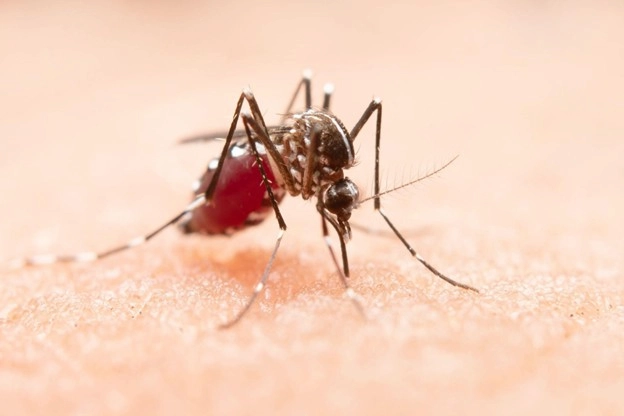
Winter often feels like mosquito season is over. No buzzing, no bites – so why worry?
The truth is, mosquitoes never really disappear. They survive in overwintering eggs, dormant larvae, or hibernating adults, ready to rebound once temperatures rise. Understanding their diapause stages and acting during winter can dramatically reduce spring outbreaks.
In this guide, we’ll break down how mosquitoes survive winter, why standard control fails, and why winter fogging is a game-changer – all in a simple, science-backed, and practical way.
How Mosquitoes Survive Winter – Overwintering Eggs and Diapause
Even in cold months, mosquitoes have clever survival tricks:
1. Overwintering Eggs
- Some species lay eggs in cracks, soil, or stagnant water, which remain dormant until spring.
- These eggs are remarkably resilient, tolerating frost, dryness, and even brief freezing.
2. Adult Female Hibernation
- Certain mosquito species seek shelter in attics, basements, hollow trees, or other protected areas.
- In a state of low metabolism, they survive winter quietly, only emerging when temperatures rise.
3. Larvae Diapause
- Some larvae pause development in winter, resuming growth with favorable temperatures and moisture.
- This diapause ensures that hatching aligns with optimal conditions, making mosquito populations surge in spring.
Takeaway: Mosquitoes are still present – just hidden. Winter is their “snooze mode,” not extinction. To reduce indoor breeding spots, regular full house cleaning can remove dust, debris, and hidden moisture that attract mosquitoes.
Why Regular Mosquito Control Doesn’t Always Work in Winter
Many homeowners assume winter means no mosquitoes, so they delay control. Here’s why that approach fails:
- Hidden eggs and larvae escape surface treatments
- Standard fogging or sprays often target adults only.
- Eggs in diapause survive and hatch in spring.
- Dormant adults are inaccessible
- Hibernating females stay hidden in attics, walls, and basements.
- Indoor sprays may miss these pockets completely.
- Missed timing leads to spring outbreaks
- Spring rains and warming temperatures trigger mass hatching.
Key insight: Waiting until mosquitoes appear in spring is far less effective than proactive winter intervention. Combining pest control with tiles or stone replacement can help eliminate cracks and crevices where eggs and larvae hide.
The Science of Winter Fogging and Early Prevention
Winter fogging is not about killing visible mosquitoes – it’s about disrupting the lifecycle before spring.
How it Works:
- Targets overwintering eggs and early larvae
- Fogging chemicals penetrate standing water, soil, and hidden cracks where eggs lie dormant.
- Prevents population rebound
- Early elimination of eggs and larvae reduces spring adult populations drastically.
- Reduces disease risk
- Dengue, malaria, and chikungunya vectors begin multiplying early in spring.
- Winter fogging lowers vector density before outbreaks occur.
Keeping surfaces polished and hygienic with marble polishing makes areas less hospitable to mosquito breeding.
Tip: Combine winter fogging with eliminating standing water and covering water containers to maximize results. This ensures that dormant eggs and larvae have fewer safe sites to survive.
Practical Winter Mosquito Control Measures at Home
Even without professional services, homeowners can take effective steps to reduce mosquito populations:
- Drain or cover water sources
- Birdbaths, plant saucers, buckets, and unused containers – any standing water is a breeding ground.
- Use larvicide or enzyme treatments
- Safe for dormant eggs and early-stage larvae, these reduce survival rates without harming the environment.
- Seal cracks and entry points
- Prevent hibernating adults from finding cozy indoor shelters.
- Maintain low indoor humidity
- Mosquitoes thrive in warm, moist environments; dry air discourages them.
- Consider seasonal fogging
- Even a single winter fogging session can significantly reduce spring outbreaks.
- Monitor your property
- Regular inspection of gutters, roof drains, and plant pots helps identify potential breeding sites before they become a problem.
Result: By combining habitat management, larvicides, and proactive fogging, your home can stay mosquito-free when temperatures rise. For commercial or office spaces, regular office cleaning ensures hygiene and prevents mosquito breeding indoors.
Final Word – Why Winter Action Matters
Mosquitoes in winter are silent survivors, waiting for spring to breed and spread disease. Understanding:
- overwintering eggs
- diapause stages
- hidden adult refuges
…helps homeowners take strategic, preventive action.
Winter fogging, combined with habitat control and home maintenance, breaks the mosquito lifecycle before it starts. At Clean Fanatics, we follow science-based winter control strategies, ensuring fewer mosquitoes, healthier living spaces, and a safer spring for your family.
Early action turns winter from a dormant risk period into a strategic prevention window – one that saves you time, reduces disease risk, and makes your home more comfortable once spring arrives.
FAQs
Yes. Eggs, larvae, and some adult females remain dormant until spring.
Absolutely. It disrupts eggs and early larvae, preventing spring population surges.
Many species hide in attics, basements, walls, and sheltered outdoor areas.
Yes, even small containers can harbor eggs that hatch in spring.
Late winter or early pre-spring is ideal, before temperatures rise consistently.