 Skip to content
Mainline Filtration and Whole-House Softener: The Best Combination for Independent Homes
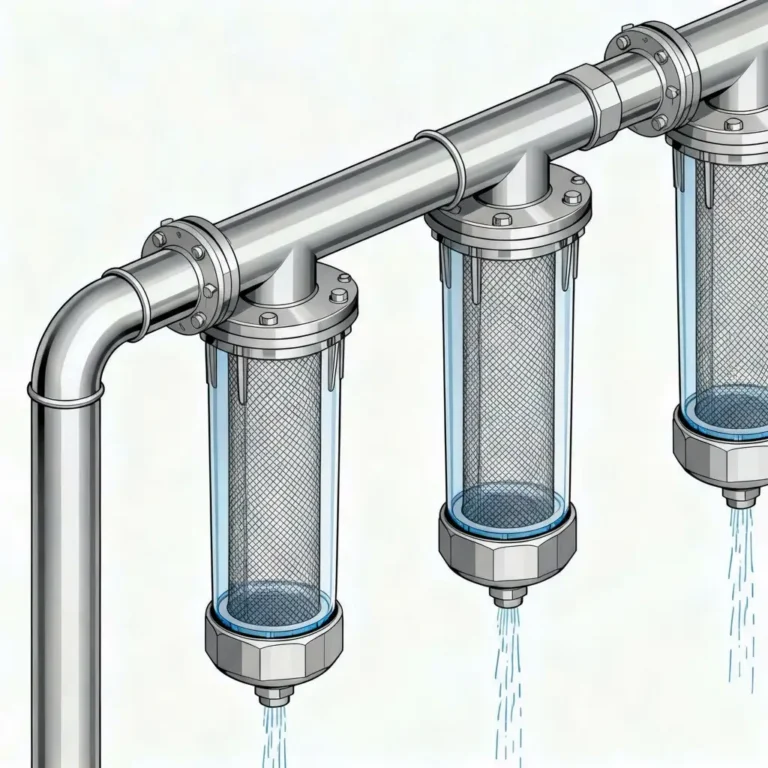
In an independent house, unlike an apartment, the entire water quality control falls on you. Whether you use borewell water, tanker supply, or a mix, you may have noticed chalky white stains, discoloured tiles, dry skin, or reduced water pressure.
Quick fixes like shower filters or RO units help partially, but sediment and hard water problems go deeper. So, when does it make sense to combine a mainline filtration system with a whole-house softener? Let’s break it down.
Understanding Mainline Filtration and Whole-House Softeners
Mainline Filtration Systems: The First Line of Defense
Installed at the point water enters your home, mainline filters trap sediment, sand, rust, and visible impurities. Borewell or tank storage often leaves water with sediments that discolor water and clog faucets. Protect your home from dust and grime while ensuring pure water with our full house cleaning services.
Think of it as your home’s water “gatekeeper”:
- Ensures all water in bathrooms, kitchen, and appliances is visibly clean
- Protects plumbing, pressure pumps, and geysers from damage
Whole-House Water Softeners: Protecting Against Hardness
Filters remove dirt; softeners remove hardness minerals like calcium and magnesium. Hard water flowing through a softener is treated with ion-exchange resin, replacing hardness ions with sodium or potassium. This helps:
- Keep bathroom fittings shiny
- Make laundry softer and soap more effective
- Prevent limescale in taps, geysers, and pipes
- Reduce hair fall and dry skin
In short: Mainline filter = dirt and rust, softener = hardness minerals. Together, they create the ideal setup for independent houses.
When Does a Combined System Make Sense?
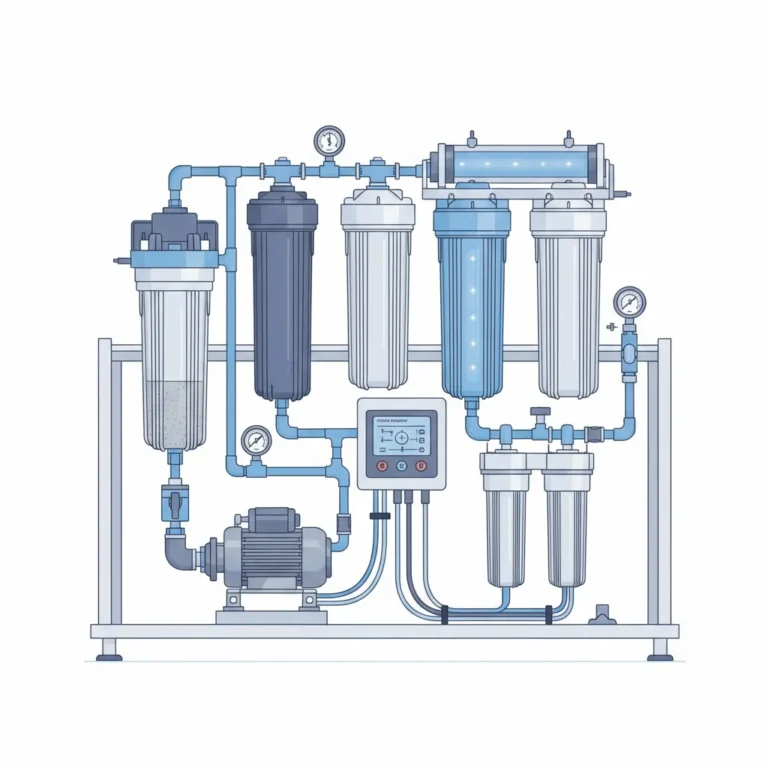
Not every home needs both, but most independent houses benefit, especially when water quality varies seasonally or comes from multiple sources.
- Borewell or Mixed Water Sources
Borewell water is high in hardness, municipal water carries sediment. A softener alone may overload; a mainline filter protects the resin and extends lifespan. - Scaling on Fixtures
White marks on taps, cloudy glass, and yellow streaks on tiles indicate hard water. Softeners address this at the source. Keep every surface sparkling during renovations with our marble polishing services. - Expensive Bathroom Fixtures or Appliances
Premium fittings (Jaquar, Kohler, Hindware) and appliances last longer with filtered, softened water. - Skin and Hair Issues
Hard water causes dry skin, dandruff, and frizz. Softened water restores pH balance, improving shampoo and soap performance.
If your home has scaling, clogging, or hair/skin issues, it’s time for a mainline filtration + softener combo.
Why This Combination Works for Independent Houses
- Comprehensive Protection
Multiple water lines in independent homes get treated water, not just one tap. - Enhanced Plumbing and Appliance Lifespan
Filters prevent clogging from sediment; softeners prevent scaling from hardness. Result: consistent flow, fewer breakdowns. Upgrade your interiors while protecting water-sensitive surfaces with our interior painting services. - Lower Maintenance Costs
Though an upfront investment, it reduces long-term expenses on descaling, fixture replacements, and cleaning. - Better Living Experience
Soft, clean water makes clothes softer, hair smoother, tiles cleaner. Studies show homes with soft water reduce soap and detergent use by up to 40%!
Choosing the Right Setup
Step 1: Water Test
TDS and hardness tests tell how much treatment you need. Hardness >200 ppm = softener needed; visible sediment = mainline filter required.
Step 2: Right Capacity
Select based on flow rate (25-50 LPM for medium-large homes).
Step 3: Pre-Filtration Stage
A 5-micron sediment or carbon filter before the softener improves efficiency and resin life.
Step 4: Proper Installation
- Install a bypass for maintenance
- Ensure correct inlet/outlet
- Check water pressure compatibility
Step 5: Reliable Brands
Kent, Purella, AO Smith, Rühe, ZeroB are trusted options in India. Automatic regeneration systems save time and ensure consistent performance. Ensure a hygienic and safe environment for your family with our general pest control services.
Final Word
In independent Indian homes, a mainline filtration system plus a whole-house softener is essential. The filter shields plumbing and appliances from dirt and rust, while the softener ensures water is gentle on skin, hair, and fittings. It’s a one-time investment that delivers long-term comfort, durability, and savings.
✨ At Clean Fanatics, we believe clean water isn’t just about purity; it’s about quality of living. For independent homes, the right filtration and softening balance is the smartest way to protect your home.
FAQs
Yes, especially for borewell or mixed water. Filter removes sediment; softener tackles hardness, protecting plumbing and skin.
No. Use softened water for bathing and washing. For drinking, use a separate RO + UV purifier.
Filters: cartridge changes every 6-12 months. Softeners: occasional salt refills and resin cleaning. Both last 10+ years.
Yes. Whole-house softeners treat all outlets- bathrooms, kitchens, and appliances- if capacity matches your home.
Mainline filter before the pressure pump, softener after it. Ensures filtered, softened water at every tap.
Kent, Rühe, AO Smith, ZeroB, Purella- check after-sales service and resin replacement availability.
Not ideal; sodium can harm soil. Keep one outdoor tap unsoftened for gardening.