 Skip to content
How to Restore and Polish Old Marble Floors After a Major Renovation

After a renovation, your space looks refreshed, but your marble floors? Probably not so much. They’ve endured falling dust, plaster splashes, and constant foot traffic. What once gleamed now looks dull, rough, and lifeless. The good news? You don’t need to replace them. You can restore and polish your old marble floors back to their original glory with the right approach and products.
This guide will walk you through everything – why marble loses its shine after renovation, how to restore it step-by-step, how to maintain it, and when to call in professionals.
After renovation, it’s also important to get rid of lingering dust and debris across your home. You can book a quick Full House Cleaning service with Clean Fanatics to make sure every surface shines before you start restoring your marble floors.
Why Marble Loses Its Shine After a Renovation
Marble is durable – but also delicate. During a renovation, it’s exposed to a lot of surface abuse that often goes unnoticed until after everything’s done. Dust, cement, paint, and tools leave behind a thin layer of scratches and residue that scatter light, making your marble appear dull and chalky instead of reflective.
Here’s what usually causes that loss of shine:
- Cement and paint residue: Fine dust and slurry settle into marble pores, dulling its finish.
- Acidic cleaners: Some contractors use strong acids for quick cleaning, which etch the marble surface permanently.
- Scratches from heavy movement: Even dragging ladders or buckets can cause fine abrasions. During renovations, cracks or wall repairs can also contribute to dust settling on the marble. Our Wall Crack Filling service ensures surfaces are repaired neatly before restoration begins, reducing future dust damage.
- Moisture seepage: During renovation, excess water or chemicals can penetrate marble, causing stains or efflorescence (white powdery marks).
In short, your marble isn’t ruined – it’s just masked by layers of residue and micro-damage. With restoration, that lost shine can absolutely return.
Step-by-Step: How to Restore Marble Floors Post-Renovation
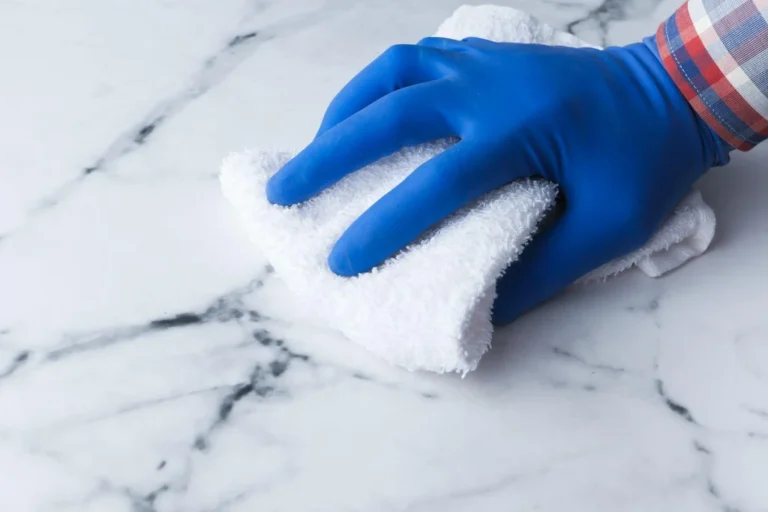
When it comes to restoration, sequence matters. Polishing before cleaning, or skipping sealing, can lead to patchy results. Here’s how experts typically restore marble floors after a major renovation:
Step 1: Deep Cleaning the Surface
Start by thoroughly removing every trace of dust, plaster, and paint. Professionals use neutral pH marble cleaners – strong enough to dissolve residue, yet gentle on natural stone. For home use, a mix of mild stone soap and warm water works too. Avoid using vinegar, bleach, or tile acid since these cause etching that’s difficult to reverse later.
Step 2: Grinding Away Stains and Scratches
Once clean, the surface may still look uneven. That’s because scratches and stubborn stains can’t be wiped away, they need to be ground down using industrial diamond pads. Much like a specialized guide on fixing surface scratches vs oxidation in home finishes, grinding levels the floor, removes deep marks, and brings uniformity back to the stone. This process is especially vital if you’ve just completed a renovation that involved tile or marble cutting.
Step 3: Honing for a Smooth Finish
After grinding, honing comes in. It uses finer diamond abrasives to smoothen the surface even more, preparing it for polishing. Think of honing as sanding before painting, it ensures an even finish and removes any remaining dull spots. Renovations often leave every corner dusty – our Bathroom Deep Cleaning Service helps you reclaim that fresh, hygienic sparkle post-project.
Step 4: Polishing for the Mirror-Like Shine
Now comes the transformation. Professional-grade marble polishing compounds or crystallizers are applied using specialized machines. These react chemically with the stone’s calcium to create that rich, reflective shine marble is known for. For DIY enthusiasts, store-bought marble polish creams can help, but they won’t match the precision and depth achieved through professional polishing machines.
Step 5: Sealing for Long-Term Protection
Once the polish looks perfect, a protective sealer is applied to the marble. Sealing prevents stains, moisture penetration, and yellowing over time. Think of it as sunscreen for your marble, it keeps the glow intact and makes future maintenance much easier.
Pro Tips to Maintain the Shine
After restoration, the biggest mistake people make is neglecting regular maintenance. Marble may look sturdy, but it’s still a porous stone that absorbs spills and scratches easily.
Here are simple habits that make a big difference:
- Use a soft microfiber mop daily to prevent dust buildup.
- Skip acidic or harsh cleaners – they strip off the polish. Always stick to marble-safe products.
- Clean spills immediately – marble can absorb liquids like coffee, tea, or wine in minutes. If your marble extends into the bathroom area, our Bathroom Renovation team can upgrade fittings and finishes while protecting your marble flooring from moisture and long-term wear.
- Use mats or rugs near entrances to trap dirt and grit that could scratch the surface.
- Re-seal every 8-12 months for ongoing protection and shine retention.
If you’re searching for “how to maintain polished marble floors,” this simple care routine is the key. Remember, a little daily care prevents you from needing another full restoration too soon.
Professional Help vs. DIY Restoration

You can definitely maintain your marble on your own – but post-renovation restoration is a different story. It requires heavy machinery, precision, and the right materials to avoid permanent damage.
Professionals do more than just polish – they:
- Inspect the marble for cracks or etching before starting.
- Choose the correct diamond pad grit for each stage.
- Maintain even moisture and machine pressure to avoid swirl marks.
- Finish with an industrial-grade sealer that lasts longer than off-the-shelf options. For complete home care, don’t overlook hidden damage beneath your floors or skirting. Our Termite Control service helps safeguard your marble and wooden furniture from unseen infestations that can spread during renovation.
In contrast, a DIY attempt might make your floor cleaner but not smoother or shinier. If you’ve recently finished renovating, professional restoration ensures your marble isn’t just clean, it’s revived, leveled, and protected for the long term.
The Final Word
Marble restoration isn’t just about making your floor shiny again – it’s about bringing life back into your home after renovation. When your floors reflect light beautifully, the whole space feels complete and new. So, instead of replacing your marble, consider restoring it. With the right process, you’ll have floors that look elegant, timeless, and smooth to the touch.
At Clean Fanatics, we specialize in post-renovation marble polishing and restoration – from deep cleaning and grinding to sealing and shine protection. Give your marble the expert care it deserves, and bring that natural brilliance back to life.
FAQs
Yes, deep scratches can be eliminated using diamond grinding before polishing. The process smoothens and evens out the entire surface.
Generally every 12-18 months, but this depends on foot traffic and how well you maintain it.
No. Acidic cleaners damage marble permanently. Always use pH-neutral products.
Honing smoothens and preps the surface; polishing creates the reflective, glossy shine.
Fine scratches and dust residue scatter light unevenly. Polishing realigns the surface to restore its natural reflection.