 Skip to content
Low Water Pressure? Here’s How to Plan Showers, Diverters and Booster Pumps the Right Way
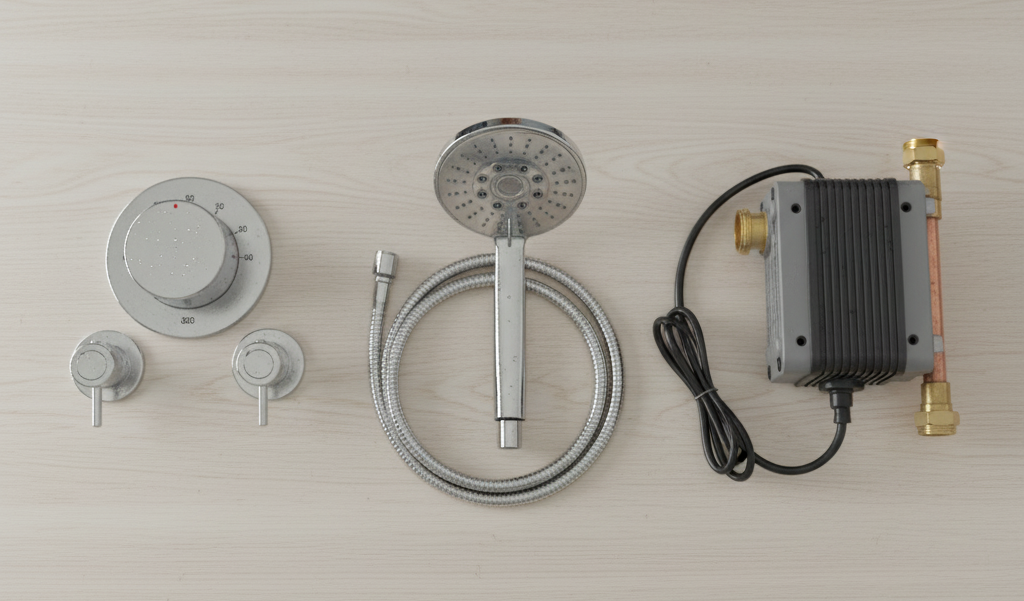
Few things are more frustrating than stepping into a shower expecting a relaxing flow, only to be met with a weak trickle. Low water pressure in bathrooms is a common problem in Indian homes, caused by factors like overhead storage tanks, multi-floor plumbing layouts, municipal supply fluctuations, or even clogged pipes.
The good news? With proper planning, you don’t have to compromise your daily shower experience. By carefully considering shower types, diverters, and booster pumps, you can ensure steady, comfortable water flow throughout your bathroom.
In this guide, we’ll walk you through the causes of low pressure, how diverters influence performance, how to design your shower system for optimal flow, and when a booster pump is truly necessary. By the end, you’ll know exactly how to plan a low-pressure-friendly bathroom setup that works reliably day after day.
Understanding Why Your Bathroom Has Low Water Pressure
Before you can fix low water pressure, it’s essential to understand its causes. Here’s a closer look at what typically affects bathroom flow in Indian homes:
- Overhead Storage Tanks: Gravity-fed tanks naturally create lower pressure on higher floors. The farther the bathroom is from the tank, the weaker the flow.
- Pipe Layout & Diameter: Narrow pipes or long runs can restrict water flow. Older homes often have smaller diameter pipes that exacerbate pressure drops.
- Multiple Outlets Running Simultaneously: Using the shower, tap, and washing machine at the same time divides available water pressure among them.
- Mineral Deposits & Clogged Aerators: Over time, calcium and sediment can build up inside pipes, taps, and showerheads, reducing flow.
- Municipal Supply Issues: Some areas experience fluctuating supply pressure depending on the time of day or water source availability.
Pro Tip: Use a simple water pressure gauge to measure your flow at different times of day. Identifying the baseline helps you decide whether a booster pump is needed and which diverter or showerhead type will work best. If your bathroom fixtures are clogged with mineral deposits or buildup, a professional bathroom cleaning service can help restore water flow and prevent recurring low-pressure problems.
How Diverters Affect Shower Performance
Diverters may seem small, but they play a major role in determining how your bathroom performs, especially under low pressure. They are valves that control where water flows – from your overhead shower, hand shower, or bathtub spout.
Manual Diverters:
- Operated using a simple knob or lever.
- Work well in low-pressure homes because they don’t rely on equal pressure from hot and cold lines.
- Cost-effective, durable, and easy to maintain.
Thermostatic Diverters:
- Maintain a stable water temperature automatically.
- Require balanced pressure from hot and cold lines to work correctly.
- Provide consistent comfort, especially in multi-floor homes or for families with children and elderly members.
Tips for Low-Pressure Homes:
- If considering a thermostatic diverter, ensure your water supply can support it.
- Avoid using multiple outlets simultaneously with a thermostatic system without a booster pump.
- Regularly clean diverter cartridges and aerators to prevent blockages that reduce flow. During bathroom renovations, fixing structural concerns like seepage or cracks is equally vital- consider wall crack filling services to prevent leaks that might affect water lines or diverter function.
Pro Tip: Choosing the right diverter is not just about convenience; it directly impacts shower performance. For low-pressure homes, a manual diverter is often safer and more reliable, while thermostatic diverters are a luxury upgrade if pressure can be stabilized.
Planning Your Shower System for Optimal Flow
Once you understand your pressure situation and diverter type, it’s time to plan the shower system itself. Here’s how to maximize performance even with low water pressure:
- Prioritize Single Outlets: Low-pressure systems work best when only one outlet (overhead or hand shower) runs at a time. Avoid simultaneous multiple flows.
- Select Efficient Showerheads: Low-pressure rain showers, aerated hand showers, and multi-spray heads designed for weak flow provide better coverage without requiring high pressure.
- Consider Pipe Layout and Diameter: Shorter runs and larger diameter pipes reduce pressure loss. Planning these at the renovation stage can prevent retrofitting headaches. If your renovation involves upgrading flooring or plumbing layout, explore tiles and stone replacement services to match your bathroom’s new shower design seamlessly.
- Temperature Mixing: For thermostatic systems, ensure hot and cold lines are balanced. Separate lines for upper floors may be necessary to maintain consistent flow.
- Avoid Overcomplicating Multi-Jet Systems: Rain showers, body jets, and multi-functional heads are luxurious but can overwhelm low-pressure systems without a pump.
Expert Insight: Proper planning at the design stage ensures that diverters, showers, and pumps work in harmony. This prevents problems like fluctuating temperatures, weak flow, and frequent maintenance issues.
When and How to Use a Booster Pump
Sometimes, even the best diverter and showerhead choice isn’t enough. That’s where a booster pump comes in. It increases water pressure and ensures consistent flow throughout your system.
Why Install a Booster Pump:
- Guarantees steady water flow for thermostatic systems, rain showers, and multi-outlet setups.
- Helps maintain consistent temperature and prevents fluctuating shower performance.
Placement Tips:
- Install near the water tank or main inlet to support the entire system.
- Avoid placing it too close to individual outlets, which may create pressure imbalances.
Choosing the Right Pump:
- Consider household size, number of floors, and simultaneous water outlet usage.
- Avoid oversizing; excessive pressure can damage diverters, showerheads, and plumbing.
- Look for pumps compatible with your existing plumbing and diverters. If you’re installing a booster pump near walls or wet zones, pairing it with waterproofing services ensures long-term protection from moisture damage.
Maintenance:
- Clean filters regularly to prevent clogging.
- Perform annual checks to maintain optimal performance.
Pro Tip: A booster pump is a long-term investment that enhances comfort, protects plumbing, and ensures your shower system delivers reliably – even in low-pressure homes. Lastly, since damp bathrooms can attract pests, scheduling periodic general pest control services helps maintain hygiene and prevent infestations around plumbing fixtures.
Final Word – At Clean Fanatics
At Clean Fanatics, we believe that every bathroom should combine style, comfort, and reliable functionality. Low water pressure doesn’t have to mean compromising on your daily shower experience.
By carefully evaluating your diverter choice, shower type, and the potential need for a booster pump, you can transform even a low-pressure bathroom into a space that feels modern, efficient, and luxurious.
Whether it’s a manual diverter for reliability, a thermostatic system for comfort, or a booster pump for consistent pressure, planning is the key. With the right setup, your shower experience can be stress-free, safe, and enjoyable every day.
FAQs
Yes, but it requires balanced hot and cold lines or a booster pump to function correctly.
Check flow rates and consider how many outlets run simultaneously. Weak or inconsistent flow indicates a pump may be necessary.
Yes. They’re simple, reliable, and less sensitive to fluctuating pressure.
Every 6-12 months, including filter cleaning and performance checks.
Absolutely. Low-pressure optimized showerheads, aerated sprays, or efficient designs can improve your experience without increasing pressure.