 Skip to content
How to Paint Textured Walls: Transform Your Space
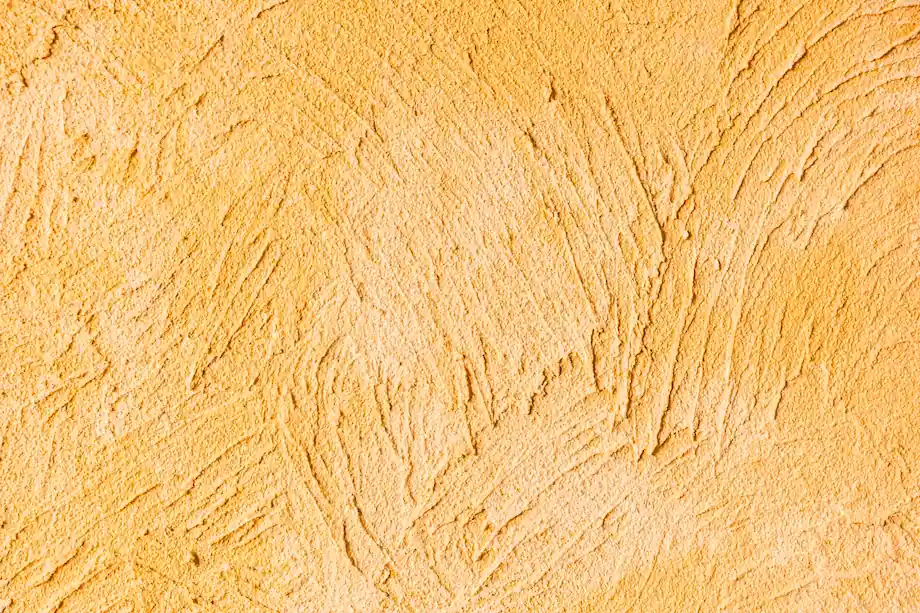
Textured walls are a game-changer for interiors, they add depth, style, and a unique character that flat walls can never match. But here’s the catch: painting them isn’t like slapping a color on a smooth surface. The grooves, bumps, and uneven surfaces can make it tricky to achieve a flawless, professional finish.
Whether you’re a DIY enthusiast or just dipping your toes into home decor, this guide will walk you through everything- from choosing the right paint to prepping and painting techniques- so your textured walls end up looking like a magazine feature rather than a DIY disaster.
Understanding Textured Walls and Paint Compatibility
Not all textured walls are created equal, and knowing your surface type is the first step to success. Textures can vary widely:
- Stucco or Knockdown Textures: Often found in living rooms or feature walls, these have a slightly rough, raised pattern. They add elegance but need careful painting to avoid uneven patches.
- Popcorn or Ceiling Textures: Common in older homes, these textures are fine but uneven, making roller coverage tricky. Spray painting works best here.
- Sand or Rough Plaster Textures: Offers a tactile, earthy feel. It can be difficult to achieve even coverage because the grooves soak up more paint.
Choosing the Right Paint
The paint you pick can make or break your project:
- Latex or Acrylic Paints: Flexible, dries evenly, and works well on textured surfaces. These paints are ideal for DIYers because they’re easy to clean and durable.
- Satin or Semi-Gloss Finishes: Highlight textures subtly without creating harsh shadows or emphasizing imperfections.
- Avoid Matte on Deep Textures: Matte paints can highlight irregularities and are harder to clean, especially in high-traffic areas.
Pro Tip: Heavily textured walls often need thicker paints or paint-and-primer combos to reduce the number of coats. For professional advice, check out our interior painting services. Always test a small patch before committing to the full wall.
Tools and Techniques for a Smooth Finish
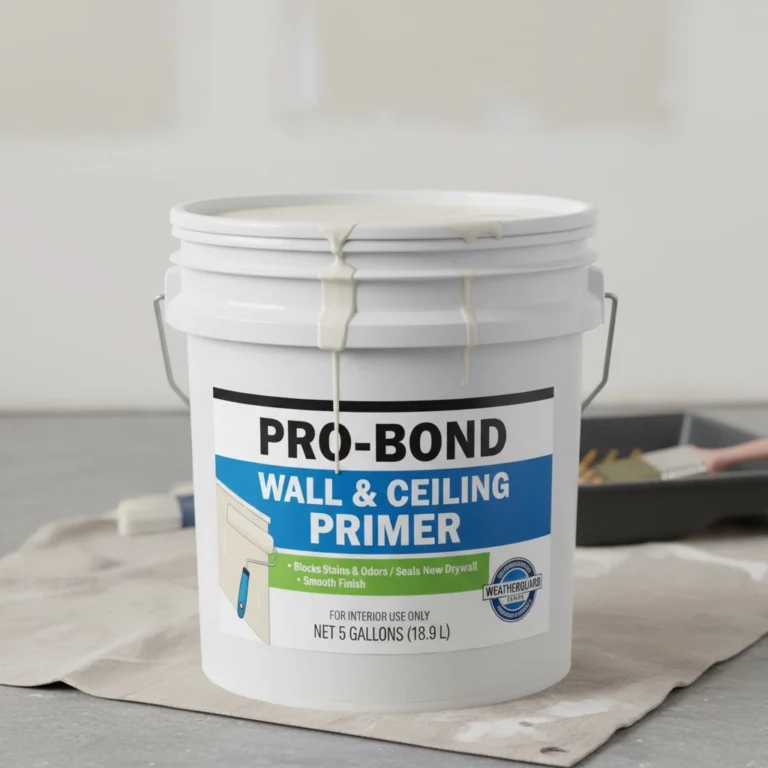
Textured walls require the right tools and techniques- otherwise, you risk missed spots, streaks, and uneven coverage.
Recommended Tools
- Thick-Nap Rollers (¾” or More): Perfect for deep grooves and bumpy surfaces.
- Angled Brushes: Ideal for edges, corners, trims, and tricky spots that rollers can’t reach.
- Spray Gun (Optional): Great for ceilings, intricate textures, or large wall areas; ensures even coverage without leaving roller marks. Learn more about our ceiling and wall painting services.
Painting Techniques
- Start painting from top to bottom, maintaining a wet edge to prevent streaks.
- Use crisscross strokes to ensure paint reaches every groove and depression.
- Apply multiple thin coats, not one thick coat. Thick coats can drip, settle unevenly, and take forever to dry.
Pro Tip: Always test a small section first. This lets you see how the paint behaves on your specific texture, helping you adjust technique, roller type, or paint thickness before tackling the entire wall.
Preparing Textured Walls Like a Pro
Preparation is key. Skipping this step can result in wasted paint, patchy finishes, and frustration.
Steps for Preparation:
- Clean Thoroughly: Dust, dirt, or grease can prevent paint from adhering properly. You can also hire our full house cleaning services to prep walls before painting. Use a vacuum with a brush attachment for grooves, and mild detergent for greasy areas like kitchens and bathrooms.
- Repair Damage: Fill cracks, holes, or deep imperfections with patching compound. For larger issues, our wall crack filling services provide expert repair. Sand high spots slightly to ensure an even surface.
- Prime the Walls: Primer helps the paint adhere better, evens out wall absorption, and reduces the number of top coats required. It’s especially critical for newly plastered walls or drastic color changes.
Pro Tip: Don’t over-wet textured plaster walls while cleaning. Excess water can soak into the grooves, causing swelling or peeling later. A slightly damp cloth or sponge is enough to prep most textured surfaces.
Step-by-Step Painting Process

With prep done, you’re ready to paint. Follow these essential tips on how to paint textured walls for a professional-looking finish:
- Apply Primer (if needed): Ensures even adhesion and reduces the number of coats required.
- First Coat: Use your roller or sprayer evenly across the wall. Work section by section, making sure the paint reaches the grooves.
- Check Coverage: After the first coat dries, inspect for missed areas. Use an angled brush for edges or tricky grooves.
- Second Coat: Apply a thin, even second coat. Dark colors or highly textured walls may require a third coat. Need help? Check out our textured wall painting services.
- Touch-Ups: Go over edges, corners, or deep grooves where paint might have settled unevenly.
Pro Tips:
- Let each coat dry completely before applying the next. Patience is essential for textured surfaces.
- Use long, even strokes with the roller to minimize streaks and roller marks.
Final Word
Painting textured walls may seem intimidating, but by following a step-by-step guide to paint your wall with the right prep, paint, and tools, you can transform any room into a statement space.
At Clean Fanatics, we combine expert painting techniques with premium materials to help you achieve walls that are vibrant, smooth, and professionally finished. Whether you’re DIYing or opting for our full-service painting, we ensure your textured walls look flawless, reduce waste, and stand the test of time.
FAQ on How to Paint Textured Walls
Usually 2–3 coats, depending on texture and paint type.
Yes, but use a thick-nap roller or consider a spray gun for deep grooves.
Yes, especially for new walls, patched areas, or drastic color changes.
Absolutely, but primer helps reduce the number of coats and ensures even coverage.
Dust and vacuum grooves. For greasy walls, use a mild detergent and a damp cloth—avoid soaking the wall.