
Home Inspection Red Flags Linked to Poor Maintenance: What Every Homeowner Should Know
In short:
Most home inspection red flags are the result of small maintenance issues that have been ignored over time. Regular upkeep, prompt repairs, and routine deep cleaning can help prevent costly surprises, protect your home’s value, and make inspections much smoother.
A home inspection can reveal a lot more than faulty wiring or a leaky roof. It often tells the story of how well a home has been cared for over the years. While no property is perfect, recurring maintenance issues can raise red flags that make buyers question the home’s condition and even affect its value.
The good news is that many common home inspection problems are preventable. By understanding what home inspectors look for and addressing issues early, you can avoid costly surprises and keep your home in better shape for years to come
What Home Inspectors Notice First
Before inspecting individual systems, home inspectors take in the overall condition of the property. A neglected exterior, peeling paint, cracked pathways, or overgrown landscaping can create the impression that routine maintenance has been overlooked.
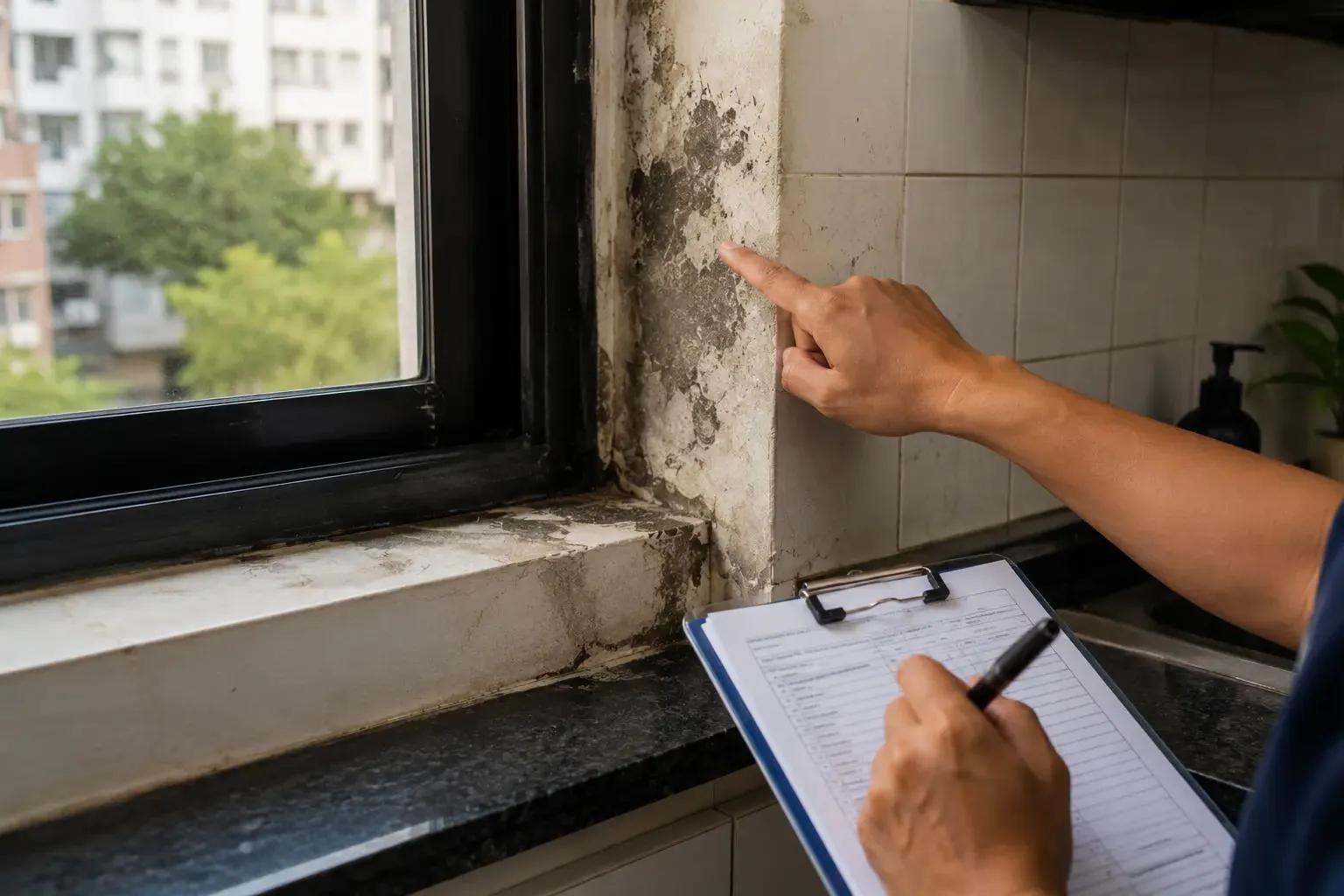
Inside the home, inspectors look for obvious signs of water damage, mold, poor ventilation, damaged flooring, and cleanliness. While a home doesn’t have to look like a showroom, visible dirt, soap scum, grease buildup, or neglected bathrooms and kitchens can make it harder to spot underlying issues and leave a poor first impression.
Home inspections focus on the property’s condition rather than housekeeping, but a clean, well-maintained home often reflects consistent care and makes it easier to identify genuine maintenance concerns.
Common Home Inspection Red Flags Linked to Poor Maintenance
Many inspection issues begin as small maintenance problems that gradually worsen over time.
Water stains on ceilings or walls often point to past or ongoing leaks. Cracked grout and deteriorating caulk around showers or sinks allow moisture to seep into surrounding materials, increasing the risk of mold and mildew. Bathrooms with poor ventilation may also show signs of persistent dampness.
In the kitchen, grease buildup, leaking taps, damaged sealants, and neglected plumbing can all indicate a lack of routine upkeep. Elsewhere in the home, dirty HVAC filters, clogged gutters, peeling paint, damaged flooring, loose handrails, and faulty smoke detectors are among the common issues inspectors notice.
Individually, these problems may seem minor. Together, however, they suggest that regular home maintenance has been delayed, increasing the likelihood of more expensive repairs in the future.
How Regular Maintenance Helps You Avoid Inspection Problems
The easiest way to avoid home inspection red flags is to make maintenance part of your routine instead of waiting until something goes wrong.
Check your home regularly for leaks, cracks, moisture, and signs of wear. Replace damaged caulk before water reaches the walls behind it. Keep gutters clear so rainwater drains away properly, and clean or replace HVAC filters according to the manufacturer’s recommendations to support good airflow.
Bathrooms and kitchens deserve extra attention because they’re exposed to constant moisture and daily use. Wiping down wet surfaces, cleaning grout, and tackling grease before it builds up can help prevent long-term damage.
Routine deep cleaning also plays an important role. Dust hidden behind furniture, grime in corners, and buildup around fixtures can conceal maintenance issues that are easier to fix when discovered early.
A Quick Pre-Inspection Checklist
Preparing for a home inspection doesn’t have to be overwhelming. A few practical steps can make a noticeable difference.
- Check for leaks under sinks and around toilets.
- Repair cracked grout or worn caulking.
- Replace burnt-out light bulbs and test smoke detectors.
- Clean kitchen appliances, countertops, and bathroom surfaces.
- Clear gutters and outdoor drains if needed.
- Replace dirty HVAC filters.
- Remove clutter so inspectors can easily access electrical panels, plumbing, and utility areas.
- Fix small repairs like loose handles, dripping taps, or squeaky doors.
- Deep clean high-use areas such as bathrooms and kitchens.
- Walk through your home as if you were seeing it for the first time and note anything that looks neglected.
Small improvements made before an inspection can demonstrate that the property has been cared for consistently.
Final Thoughts
Home inspections rarely uncover problems that appeared overnight. More often, they reveal maintenance tasks that have been postponed for months or even years. By staying on top of routine upkeep, addressing small issues early, and keeping your home clean and well maintained, you can reduce the chances of unexpected inspection findings while protecting your home’s long-term value.
FAQs
Common red flags include water damage, mold, plumbing leaks, damaged roofing, cracked grout, poor ventilation, electrical issues, and signs of neglected maintenance.
Inspectors usually begin with the home’s overall condition, including the exterior, visible maintenance, signs of moisture, structural concerns, and the condition of major systems such as plumbing, electrical, and HVAC.
Cleanliness alone doesn’t determine the inspection outcome, but excessive dirt or clutter can make it difficult to access important areas or spot maintenance problems. A clean home also reflects consistent care.
Complete minor repairs, address leaks, test smoke detectors, replace HVAC filters, declutter key areas, and clean kitchens and bathrooms thoroughly before the inspection.
Inspectors frequently identify plumbing leaks, moisture damage, deteriorating caulking, clogged gutters, dirty HVAC filters, peeling paint, and poor ventilation, all of which are easier to manage with regular maintenance.