
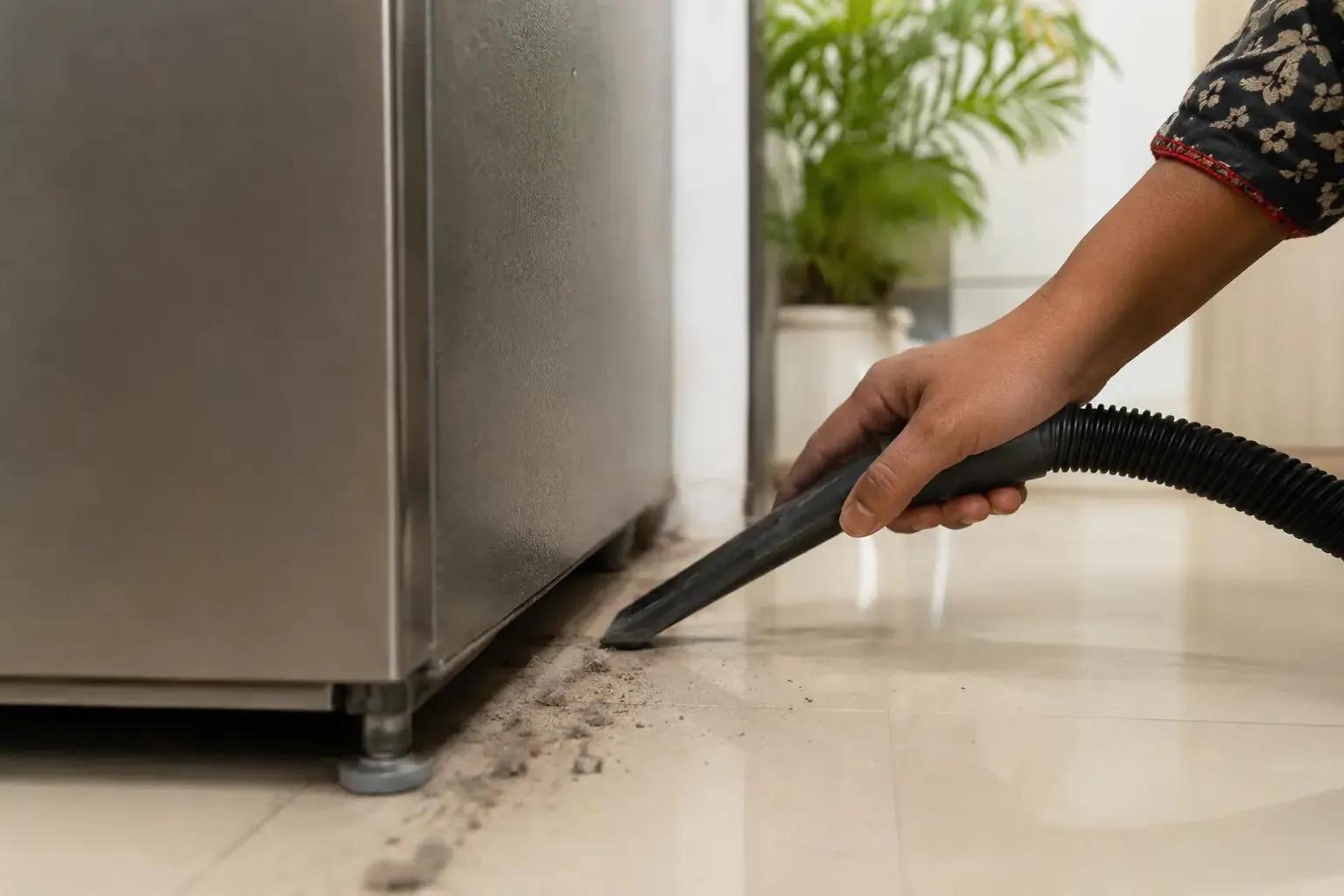
The Silent Build-Up of Dirt in Modern Homes: Hidden Places You Might Be Missing
You vacuum the floors, wipe the counters, and clean the bathroom every week. So why does your home still feel dusty, look dull, or develop odd smells?
The answer often lies in the places you don’t see every day. Dirt doesn’t just collect where you walk. It quietly builds up behind furniture, inside vents, under appliances, and on surfaces you rarely think about. Over time, this hidden dirt can affect how clean your home feels and even contribute to poor indoor air quality.
If you’ve ever wondered where dirt hides in your home or why your house still feels dirty after cleaning, here’s what you need to know.
1. Why Dirt Builds Up Faster Than You Think
Modern homes collect dirt from more than muddy shoes. Every day, dust, skin cells, cooking residue, pet hair, pollen, and outdoor pollutants make their way indoors. Add humidity, poor ventilation, and busy schedules, and it’s easy for grime to build up in places that aren’t part of your regular cleaning routine.
Some areas are also naturally harder to clean. Furniture blocks access, appliances stay in place for months, and high shelves are often out of sight. As a result, dust and debris continue to accumulate quietly, even in homes that are cleaned regularly.
That’s why a home can look tidy while still hiding layers of dirt in overlooked spaces.
2. The Hidden Places Dirt Loves to Hide
Some of the dirtiest places in a house aren’t the ones you notice first.
Behind refrigerators and washing machines, dust combines with grease and moisture to create stubborn grime. Ceiling fans and air vents collect airborne particles that can spread dust every time they’re used. Baseboards, window tracks, and skirting boards trap dirt that routine vacuuming often misses.
Bathrooms are another hidden hotspot. Grout lines, shower corners, exhaust fans, and the areas behind toilets can collect soap scum, moisture, and mineral deposits over time. In kitchens, cabinet handles, backsplashes, and the spaces beneath small appliances often accumulate grease that isn’t always visible.
Even frequently touched surfaces like light switches, remote controls, and door handles collect fingerprints, oils, and germs throughout the day. These areas may not look dirty, but they benefit from regular attention.
3. Signs Your Home Needs More Than a Regular Clean
Not sure if hidden dirt has started to build up? Your home may already be giving you clues.
If dust returns quickly after cleaning, unpleasant odors linger, or surfaces feel sticky despite being wiped down, it may be time for a deeper clean. Allergy symptoms that seem worse indoors can also be linked to dust, pollen, or pet dander collecting in overlooked areas.
Bathrooms that never seem to sparkle, kitchen surfaces that feel greasy, or grout that stays discolored after scrubbing are other common signs. These issues usually don’t appear overnight. They develop gradually as dirt builds up in places that aren’t cleaned as often.
Regular cleaning is essential for everyday maintenance, but it doesn’t always reach the hidden areas where grime settles over weeks and months.
4. How to Stay Ahead of Hidden Dirt
The good news is that preventing hidden dirt doesn’t mean cleaning your entire house every day.
Create a monthly checklist for areas that are easy to overlook. Move lightweight furniture occasionally, wipe down baseboards, dust ceiling fans, clean air vents, and wash reusable filters according to the manufacturer’s instructions.
Bathrooms and kitchens deserve extra attention because they’re exposed to moisture, grease, and constant use. Cleaning grout, drains, and corners regularly can prevent stubborn buildup from becoming harder to remove later.
Scheduling a deep clean every few months is another effective way to tackle areas that routine cleaning often misses. It helps remove accumulated grime, refresh high-use spaces, and restore the overall cleanliness of your home.
5. Final Thoughts
A clean home isn’t just about what you can see. Hidden dirt builds up gradually, often in places that are easy to overlook during everyday cleaning. By paying attention to these forgotten areas and adding occasional deep cleaning to your routine, you can keep your home feeling fresher, healthier, and easier to maintain in the long run.
FAQs
Common hidden dirt zones include behind appliances, under furniture, air vents, ceiling fans, bathroom grout, baseboards, and window tracks.
Routine cleaning often focuses on visible surfaces. Hidden dust, grease, moisture, and grime can continue to build up in overlooked areas.
Most homes benefit from a thorough deep clean every three to six months, although high-traffic homes, homes with pets, or households with allergy sufferers may need it more frequently.
Regular cleaning maintains visible surfaces, while deep cleaning targets hidden dirt, built-up grime, and hard-to-reach areas that aren’t cleaned as often.
Yes. Dust, pet dander, pollen, and other particles that accumulate in vents, fabrics, and overlooked spaces can circulate through your home and contribute to poorer indoor air quality.