 Skip to content
Hairline vs Active Cracks: When to Use Acrylic Sealant, PU Sealant, or Polymer-Modified Mortar

Cracks on walls or ceilings can make any homeowner uneasy, not just because they look unpleasant, but because they might point to deeper problems. Sometimes, these lines are purely cosmetic; other times, they hint at ongoing structural movement. That’s where understanding the difference between hairline and active cracks becomes important. Once you know which type you’re dealing with, you can choose the right material – whether it’s acrylic sealant, PU sealant, or polymer-modified mortar – for a long-lasting repair. If your walls already show stains or dullness due to moisture or dust, consider a full house cleaning service before repairs to ensure better sealant adhesion and finish.
This guide will help you distinguish between these cracks, understand when to use each type of sealant, and learn the best repair practices trusted by professionals.
Hairline vs Active Cracks: Spot the Difference
If you’ve ever seen faint, thin lines running along your wall or ceiling, those are usually hairline cracks. They’re typically less than 1 mm wide, caused by factors like paint shrinkage, surface tension, humidity changes, or aging plaster. They rarely indicate a structural problem and can often be handled with a cosmetic fix. For instance, pairing a repair with interior painting not only hides fine cracks but also restores the surface’s uniform look and brightness.
Active cracks, however, are different. They’re dynamic, meaning they expand or shift over time due to building movement, temperature fluctuations, foundation settling, or moisture infiltration. These cracks can appear near doors, windows, or external walls and tend to widen gradually.
Here’s a simple way to identify them:
- Mark the end of the crack with a pencil or tape.
- Revisit it after a week.
- If the crack has lengthened or widened, it’s active. If it remains unchanged, it’s hairline.
Recognizing this difference is the first step toward choosing the right repair approach. Treating an active crack as a hairline one can cause your sealant to peel or fail prematurely.
Understanding Your Repair Options
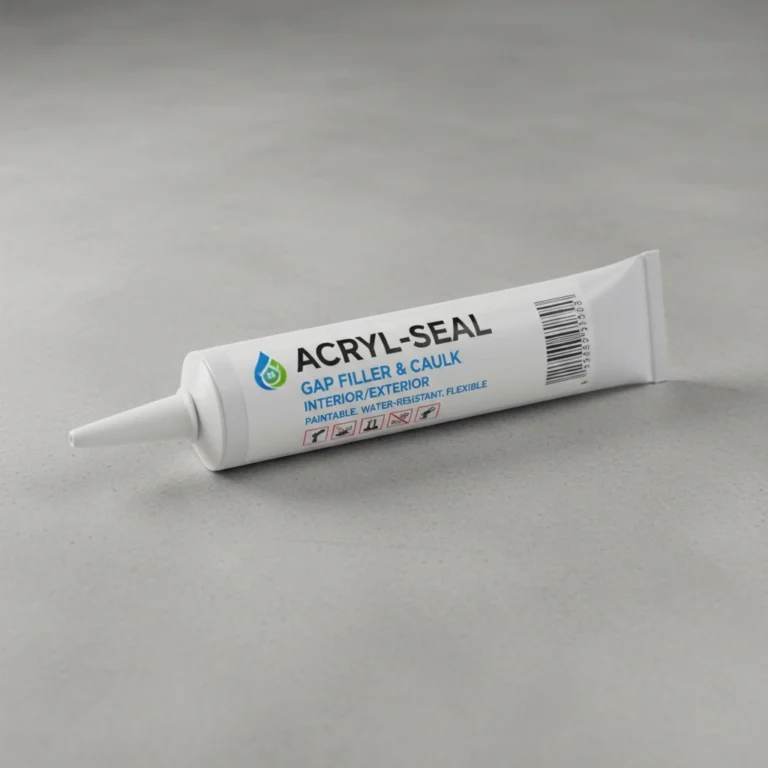
Every crack behaves differently, and that’s why no single product works for all situations. Let’s break down the three most common materials used for wall crack repairs:
Acrylic Sealant: For Hairline & Static Cracks
Acrylic sealants are ideal for small, non-moving cracks – especially indoors. They are water-based, easy to apply, and can be painted over for a smooth, invisible finish. They adhere well to plaster, concrete, and brick, making them great for interior walls and ceilings. If the crack appears in damp areas like bathrooms, it’s wise to schedule a bathroom renovation or waterproofing check before resealing the surface.
However, acrylic sealants aren’t designed to withstand heavy movement or moisture. That’s why they’re not recommended for exterior or bathroom use.
Best for: Fine cracks on painted walls, ceilings, or plaster surfaces.
PU Sealant (Polyurethane): For Active & Dynamic Cracks
When your cracks are moving or exposed to weather, PU sealants are the way to go. These sealants are highly elastic which means, they expand and contract with your wall, preventing future splitting or water leakage. PU sealants are also UV- and moisture-resistant, making them suitable for outdoor use.
You’ll often find PU sealants used around:
- Window and door joints
- External wall cracks
- Expansion joints
- Bathrooms, kitchens, and terraces
For recurring cracks caused by seepage near terraces or windows, a waterproofing solution can complement PU sealant application and prevent future issues.
Their flexibility makes them a long-term solution for cracks that “breathe” with the structure.
Best for: Active or expanding cracks, exterior or high-moisture areas.
Polymer-Modified Mortar: For Structural or Wide Cracks
When cracks are wide (usually more than 3 mm) or deep, surface sealants alone won’t help. That’s when polymer-modified mortar comes in. It’s a blend of cement, sand, and special polymers that improve adhesion, flexibility, and strength.
Unlike standard cement mortar, this mixture doesn’t shrink or crack easily. It’s used to fill gaps that compromise structural integrity – such as column joints, beams, or large wall fissures.
Best for: Structural or deep cracks that need strength and bonding.
How to Choose the Right Material for Your Situation
Choosing the right sealant depends on three main factors – crack size, crack movement, and location.
Crack Type | Location | Recommended Material | Why It Works |
Hairline cracks | Interior walls & ceilings | Acrylic Sealant | Paintable and flexible for minor gaps |
Active cracks | Exterior walls, bathrooms, near windows | PU Sealant | Waterproof, stretchable, and long-lasting |
Wide/structural cracks | Beams, slabs, terraces, or deep wall joints | Polymer-Modified Mortar | Strong bonding, ideal for restoring structure |
💡 Pro Tip: For best results, you can layer materials – for example, fill deeper cracks with polymer-modified mortar first, and then top it with PU sealant for waterproofing and flexibility. This two-step method ensures a strong base and a durable finish. It’s also a good time to opt for marble polishing or floor restoration if you’re already working on wall maintenance – it keeps your interiors consistently renewed.
If unsure, it’s worth getting a professional inspection to check whether the crack is cosmetic or structural before applying any product.
Common Mistakes and Expert Tips

Even with the best products, poor preparation can make your repair short-lived. Here’s what most homeowners get wrong – and how to fix it:
- Skipping cleaning: Dust, loose paint, or debris stop the sealant from bonding. Always clean with a wire brush and dry cloth before application.
- Applying on damp surfaces: Moisture weakens adhesion. Wait until the surface is completely dry, especially for PU and acrylic sealants.
- Ignoring curing times: Each sealant needs time to settle – anywhere from 24 hours (for acrylic) to 72 hours (for PU). Painting too soon can ruin the finish.
- Overfilling cracks: Applying too much sealant can lead to uneven drying and cracks reappearing. Use a caulking gun for precision.
Expert Tips:
- Use masking tape on either side of the crack to ensure clean application lines.
- When working with polymer-modified mortar, always mix in small batches to avoid hardening before use.
- If cracks keep reappearing, check for underlying causes like water seepage, vibration, or poor plaster adhesion. You can also schedule a professional home inspection to detect hidden structural flaws or pest damage that might be causing repeated cracking.
These small steps ensure your repair lasts for years – not months.
Final Word
Cracks may look like minor surface issues, but they tell a bigger story about your wall’s health. Knowing whether you’re dealing with hairline or active cracks helps you choose wisely between acrylic sealant, PU sealant, and polymer-modified mortar – each suited to a different kind of damage.
At Clean Fanatics, our team combines inspection expertise with top-grade materials to give your walls a clean, long-lasting repair. From quick acrylic touch-ups to PU sealing and polymer mortar reinforcement, we use the right technique for every crack, leaving your walls smooth, protected, and future-proof.
Because a well-sealed wall isn’t just about looks, it’s about preventing bigger problems before they start.
FAQs
Not recommended. Acrylic sealants aren’t weatherproof and may peel off when exposed to rain or sunlight.
If it widens over time, appears near windows, or leaks during rain, it’s an active crack – go for PU sealant.
Typically 24-48 hours, depending on humidity and thickness. Always follow manufacturer instructions.
Only if it’s labeled as “paintable.” Some PU sealants stay rubbery, making paint adhesion difficult.
Yes. If the crack is deep, wide, or recurring, a technician can assess whether structural repair is needed before sealing.