 Skip to content
Electrical Load and Safety Check: MCBs, Earthing, and Surge Protection 101
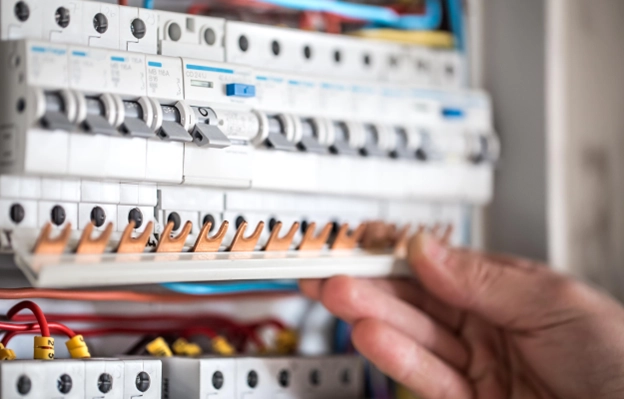
If your lights flicker when you turn on the geyser or your MCB keeps tripping every few days, you’re not alone. Most homeowners overlook their home’s electrical load and safety setup – until something goes wrong. A small imbalance in your MCB rating, poor earthing, or lack of surge protection can silently damage appliances or even put your family at risk.
This guide breaks down the three essentials of a safe home electrical system – MCBs, earthing, and surge protection– and shows how a proper load and safety check can prevent expensive repairs and electrical hazards.
Understanding Electrical Load and Why It Matters
Every home has a limit to how much electrical load it can safely handle. This “load” is the total power all your appliances draw from your wiring. When that load exceeds your system’s capacity – or when circuits are poorly balanced – MCBs trip, wires overheat, and breakers fail faster.
Here’s how to make sense of it:
- Total load = sum of all appliances’ wattage ÷ 1000 (for kW)
For example, a 1.5 ton AC (1500 W) + geyser (2000 W) + lighting (500 W) = 4 kW total load. - Main MCB capacity should match this total with a safe buffer (usually 10–20%).
- Overloading one circuit (like plugging everything into one socket) can trigger tripping or even melting of internal wires.
👉 Pro Tip: If your breaker trips often or some lights dim when large appliances start, call a professional to check your load distribution. It’s a small inspection that can prevent major damage later. Keep your switches and corners dust-free with our Full House Cleaning Services in Bangalore.
MCBs: Your First Line of Defense Against Overload
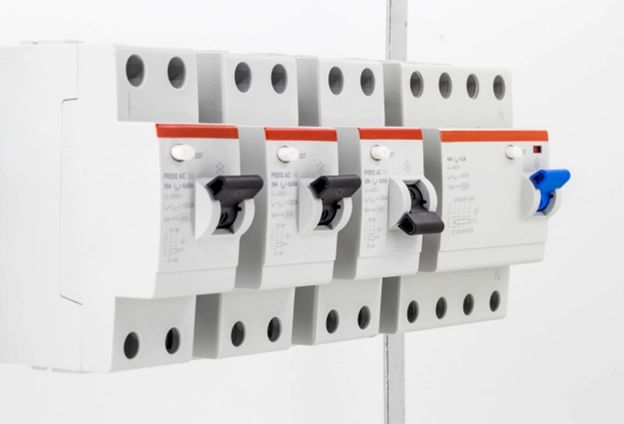
An MCB (Miniature Circuit Breaker) is like a smart fuse that automatically cuts off electricity when it senses overload or a short circuit. But having an MCB isn’t enough – the right rating and curve type matter.
Types of MCB trip curves (for homes):
- Type B: For small appliances and lighting circuits.
- Type C: Best for most household circuits with fans, geysers, or motors.
- Type D: For heavy-load machinery (usually not used in regular homes).
Common warning signs of MCB trouble:
- Breaker trips too often – may mean overloaded wiring.
- MCB feels warm to touch – indicates poor contact or overcurrent.
- Some sockets have no power – possible circuit imbalance.
When in doubt, get a home electrical safety inspection done once a year. Professionals can test MCB sensitivity, check if the main breaker matches your load, and replace outdated fuses.
👉 If you’re already noticing flickering or frequent tripping, our Home Inspection Services in Bangalore can help assess your electrical system before it leads to a larger fault.
Earthing: The Hidden Protector Beneath Every Safe Circuit
If MCBs are the brain, earthing is the body’s safety shield. It ensures any stray current safely travels into the ground instead of shocking someone or frying equipment.
Why earthing matters in every city home:
- Prevents electric shock when a live wire touches a metal body.
- Protects sensitive electronics from static charge.
- Helps MCBs detect faults faster and trip instantly.
- Stabilizes voltage during power fluctuations.
How to check your earthing at home:
- If you feel mild tingling when touching a metal appliance (like a washing machine or tap), your earthing may be weak.
- Rust or corrosion around earthing rods or cables also weakens conductivity.
- A licensed electrician can test resistance – the ideal earthing resistance is usually below 1 ohm. Stop damp from reaching wiring with our Wall Crack Filling Services.
👉 Pro Tip: In older apartments, earthing wires may be thin or shared. Upgrading to a dedicated copper earthing system dramatically improves safety – especially during monsoon surges.
For workspaces, our Office Cleaning Services in Bangalore keep panels and sockets dust-free.
Surge Protection: The Safety Layer Most Homes Miss
A surge is a sudden voltage spike caused by lightning, grid switching, or heavy appliance start-ups. It lasts milliseconds but can destroy your TV, refrigerator, or Wi-Fi router instantly.
Why surge protection matters:
- MCBs and fuses don’t react fast enough to small spikes.
- Surge protectors (SPDs) absorb or divert that excess voltage before it reaches your appliances.
- In multi-storey apartments, shared grid lines increase the risk of surges.
Types of surge protection devices (SPDs):
- Type 1: Installed at main distribution panel; protects from lightning or external surges.
- Type 2: Installed after the main breaker; shields appliances inside the house.
- Type 3: Plug-in protectors for TVs, PCs, routers, etc.
Together, these create a layered defense system.
Combine them with proper earthing and the right MCBs – and your home becomes practically surge-proof.
👉 Regularly inspect your switchboards for burnt marks or buzzing sounds – both can indicate loose connections or surges. For long-term safety, pair your surge protection with Interior Painting Services in Bangalore that include damp-resistant finishes to guard wiring channels against moisture.
The Final Word: Electrical Safety Isn’t Optional – It’s Foundational
Electrical load balancing, MCBs, earthing, and surge protection aren’t just “technical extras.” They’re what keep your home safe every single day – even when you’re not thinking about them.
A simple load and safety check can:
- Prevent shocks, appliance burnout, and short circuits.
- Extend the lifespan of wiring and devices.
- Give peace of mind during monsoon or voltage fluctuations.
If you haven’t had your wiring inspected in years, consider it preventive care for your home.
At Clean Fanatics, we help homeowners with complete electrical and safety inspections, identifying weak MCBs, testing earthing, and recommending the right surge protection setup – all while ensuring your home stays efficient and hazard-free.
Because in a modern home, safety starts with a single switch – but depends on every connection.
FAQs
At least once every 12-18 months, or sooner if you notice frequent tripping, sparks, or dimming lights.
Yes – it’s legally and functionally essential. Without proper earthing, breakers may not trip during a fault.
Plug-in SPDs for devices are fine, but panel-mounted ones should always be installed by a certified electrician.
Depends on your load – usually 6A-32A for individual circuits and 63A or above for the main line. Have it calculated professionally for accuracy.
Not always, but nearby strikes or grid issues can induce small voltage spikes that gradually damage electronics.