 Skip to content
Crack Types in Old Homes: Which Ones Need Structural Attention vs Cosmetic Fixes
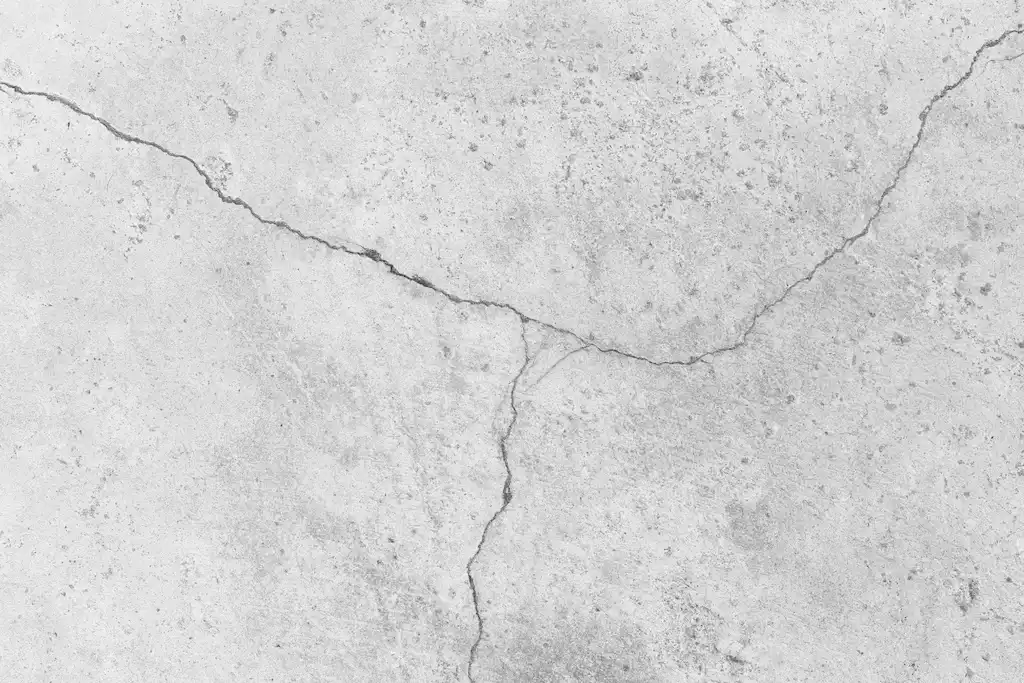
If you live in an older home, chances are you’ve noticed a few cracks across your walls or ceilings. Some look harmless – thin as a hairline – while others stretch deep and wide, sparking worries like, “Is my home still safe?” or “Do I need a professional?”
The truth is, not every crack means trouble. Some are normal signs of an aging home, while others point to structural movement that shouldn’t be ignored. Knowing the difference can save you both panic and money. Let’s understand why cracks form, what they mean, and when to take action.
Why Cracks Appear in Old Homes
Cracks are part of every home’s aging process. Materials like brick, plaster, and cement expand, contract, and shift differently over time, creating small fissures that can reveal a lot about what’s happening inside your walls.
- Foundation settlement:
All buildings rest on soil, and soil moves. Over the years, uneven compaction or minor shifts cause foundations to settle, resulting in cracks around doors and windows. Before addressing cracks, ensure your home is thoroughly cleaned with our full house cleaning service to remove dust and debris that can interfere with repair work. - Moisture and temperature changes:
Older homes often lack modern waterproofing. In humid or rainy climates, moisture seeps in and expands materials. When they dry, contraction occurs – forming hairline or horizontal cracks. - Material fatigue:
Plaster and mortar lose flexibility as they age. Lime plaster tends to form fine, powdery cracks, while cement plaster can shrink and pull away from the wall surface. - Structural stress:
Renovations, added floors, or wall alterations can shift load distribution, leading to cracks in stress zones.
In short, age, moisture, and movement all play a role – but understanding the different types of wall cracks and what they mean is key to deciding how serious it is.
Common Crack Types and What They Mean
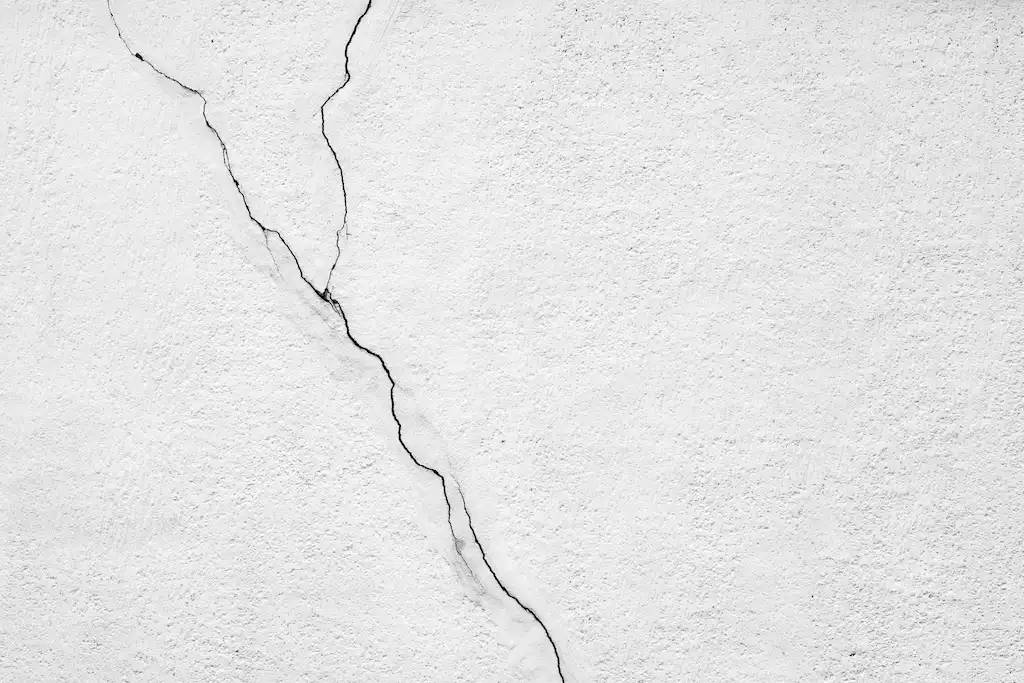
Every crack tells a story. Some whisper “I’m just settling,” while others shout “Call an expert.”
Hairline cracks – Fine, surface-level lines under 1 mm wide, often caused by drying plaster or temperature changes.
Fix: Clean, fill with wall putty, and repaint.
Vertical cracks – Usually due to minor settlement. They often appear above windows or doors but remain narrow.
Fix: Watch for widening. If they exceed 2-3 mm, get a structural opinion.
Horizontal cracks – Found near ceilings or wall bases, they often indicate serious foundation or pressure issues.
Fix: Immediate professional inspection – may need structural repair.
Diagonal or stair-step cracks – Common in brick walls, forming a stepped or slanted pattern from uneven foundation settlement.
Fix: Requires expert evaluation; possible crack stitching or underpinning.
Cracks above doors and windows – Typically from extra load on the lintel beam.
Fix: Patch small ones, but if they widen, structural reinforcement may be needed.
Small, stable cracks are often cosmetic. But wide, jagged, or expanding ones need prompt attention. Consider complementing wall repairs with marble polishing to restore floors or surfaces impacted by structural shifts.
How to Tell Structural Cracks from Cosmetic Ones
Wondering if your wall just needs paint or serious repair? Think of cosmetic cracks as static and structural ones as active.
Cosmetic cracks:
- Under 2 mm wide
- Only on plaster or paint
- Don’t grow or spread
- Often appear in ceilings or near corners
Structural cracks:
- Wider than 3 mm and keep expanding
- Run horizontally or diagonally
- Visible on both sides of the wall
- Accompanied by sticking doors, uneven floors, or sagging ceilings
A simple test: mark the crack’s ends with a pencil and date it. If it grows within weeks, it’s structural. Also, note its position – cracks near beams, joints, or multiple adjoining walls are red flags. For safer evaluations, book a home inspection service to detect hidden issues before they worsen.
Pro tip: Cosmetic cracks result from surface issues like drying plaster, while structural cracks signal deeper movement in the building.
Repair Options: DIY or Professional Help
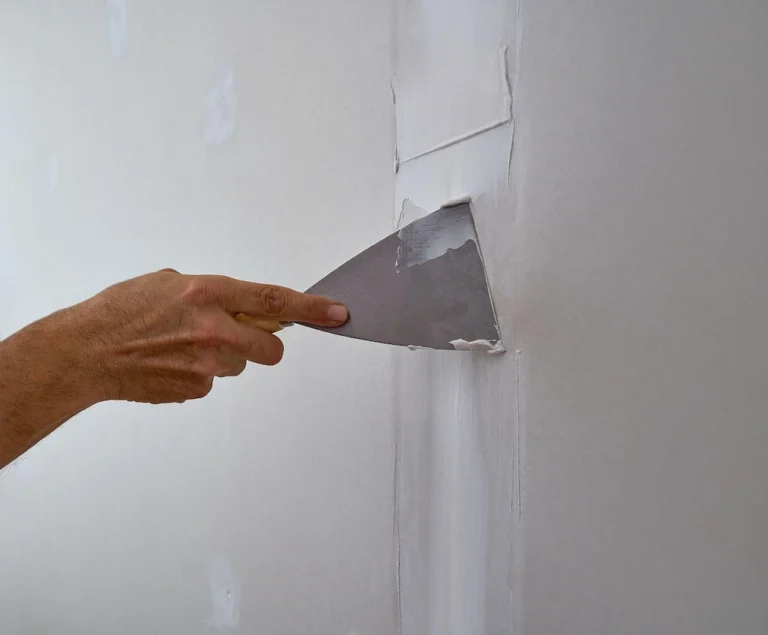
The right fix depends on the type and cause of the crack.
DIY Repairs (for Cosmetic Cracks)
For small, stable cracks:
- Clean out dust or loose plaster.
- Fill with flexible wall filler or acrylic sealant.
- Smooth it out, let it dry, and repaint.
Use mesh tape beneath putty for recurring cracks or elastomeric paints in humid areas for better flexibility.
Professional Repairs (for Structural Cracks)
Wider or repeating cracks require expert attention. Common fixes include:
- Crack stitching: Reinforcing cracks with helical rods or steel bars.
- Resin or epoxy injection: Sealing deeper cracks in masonry or concrete.
- Underpinning or re-leveling: Stabilizing the foundation.
- Retrofitting: Strengthening beams or columns in old homes.
Never paint over a deep crack without proper repair – it hides symptoms, not causes. Professionals familiar with older materials (like lime plaster) are best suited to assess traditional homes. Enhance your repair work with our interior painting services to achieve smooth, long-lasting finishes.
Preventing Cracks in Old Homes
You can’t stop time, but you can slow its effects on your walls. Regular maintenance keeps minor cracks from becoming major issues.
- Control moisture: Fix leaks, ensure good drainage, and waterproof damp walls.
2. Improve ventilation: Balanced humidity prevents plaster expansion and contraction.
3. Inspect seasonally: Check after monsoon or winter for new or wider cracks.
4. Avoid overloading: Don’t modify or add floors without expert input.
5. Use flexible finishes: Choose breathable, stretchable paints and plasters.
6. Maintain regularly: Repaint every few years with waterproof coatings and repair early.
Consistent upkeep preserves not just your home’s look – but its safety and stability. Combine maintenance with pest control services to protect your home’s structure from termites and other pests that can weaken walls over time.
Final Word
Cracks in old homes aren’t always bad news – most are signs of age, not danger. Still, identifying which ones need attention can save your home from bigger problems.
At Clean Fanatics, we go beyond cleaning – helping you restore, maintain, and protect your walls so they stay as strong and beautiful as the day they were built.
Book now to schedule a professional Wall Crack Filling Service with Clean Fanatics and give your home the care it deserves.
FAQs
Yes, minor hairline cracks are normal due to settling and material aging.
If cracks are wide, diagonal, or keep expanding – especially around doors, windows, or the ceiling – call a structural expert.
Cosmetic ones, yes – with filler and paint. Structural ones need professional inspection.
Do a visual inspection every 3-6 months, particularly after monsoon or renovation work.