 Skip to content
Ceiling Cracks Near Beams: Safe DIY vs When to Call an Engineer (2025 Guide)
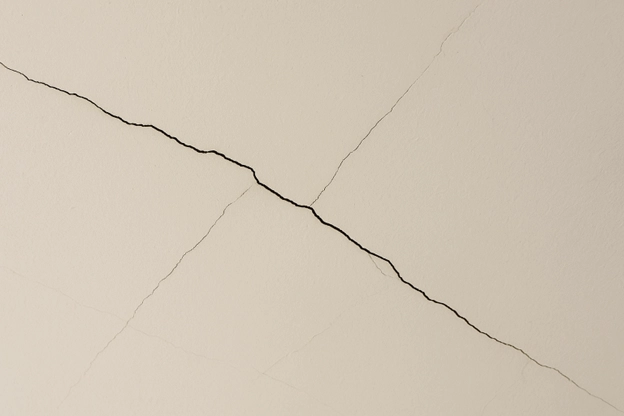
You’re lying on your bed when you notice a thin line running across the ceiling, right where the beam meets the plaster. You tell yourself, “It’s just paint cracking.” But a few weeks later, it’s longer – maybe wider too. Ceiling cracks near beams aren’t always signs of disaster, but they’re not something to brush off either. Knowing when it’s a cosmetic issue versus a structural one can save you from costly repairs down the line. Let’s break it down – what causes them, what you can safely DIY, and when it’s time to call in a structural engineer.
Why Cracks Appear Near Ceiling Beams
Not all cracks are equal – understanding why they form is half the battle. Ceiling cracks, especially around beams, usually appear due to one or a mix of these factors:
- Structural movement: As your building settles, beams and slabs expand, contract, and shift microscopically. That tension often releases along the weakest line – the plaster joint near the beam.
- Thermal expansion: In humid or hot climates, ceiling materials expand and contract differently, causing hairline cracks.
- Water seepage: Hidden dampness from the terrace or bathroom above can weaken plaster around beam joints, leading to bubbling or widening cracks. Facing similar water damage near beams or corners? Explore our waterproofing services in Bangalore to prevent recurring dampness and leaks before they spread.
- Poor construction joints: When the beam and slab weren’t bonded well during construction, the joint line becomes a stress point.
- Aging materials: Over time, plaster loses adhesion and flexibility, making old homes more prone to visible cracking.
💡 Quick tip: If the crack follows a straight line exactly along the beam, it’s often a plaster or material issue. If it’s diagonal or widening, it may indicate structural movement.
How to Identify the Severity of Ceiling Cracks
Before you grab filler or paint, inspect what the crack is really telling you. Here’s a quick diagnostic approach:
- Hairline cracks (<1 mm): Usually cosmetic. These can appear from minor plaster shrinkage.
- Moderate cracks (1-3 mm): Possible signs of tension or movement, especially if near corners or beams.
- Wide or spreading cracks (>3 mm): Could signal foundation settlement or beam stress – time to get it checked.
- Damp or discoloured cracks: Indicates leakage or moisture damage above the ceiling.
- Reappearing cracks after patching: A clear sign the underlying cause (like vibration or settlement) wasn’t addressed.
🧱 DIY check: Mark both ends of the crack with a pencil and measure the width. Recheck after 2-3 weeks. If it’s growing, skip the filler and call an expert. For homes with visible or reappearing ceiling cracks, our home inspection service helps detect moisture, settlement, and hidden beam stress with precision tools.
Safe DIY Fixes You Can Try
If your ceiling crack is small, stable, and dry – a simple DIY patching job can do the trick.
Here’s a safe process:
- Clean the area: Remove loose paint or dust.
- Apply crack filler: Use a flexible crack sealant or acrylic-based compound. Avoid cement unless the crack is wide.
- Sand and smooth: Once dry, lightly sand the surface.
- Repaint: Use waterproof or elastomeric paint for added durability. Need a smooth repainting job after sealing cracks? Check out our interior painting services for long-lasting finishes and professional crack coverage.
✅ When DIY works:
- The crack is under 2 mm wide.
- It hasn’t changed shape or size in weeks.
- There’s no dampness or hollow sound when tapped.
🚫 When to avoid DIY:
- Crack runs diagonally from corners or pillars.
- There’s sagging or bulging around it.
- Paint keeps peeling or bubbling after patching.
DIYs work for surface-level issues – but for deeper or recurring cracks, even the best filler will only hide, not heal the problem.
When to Call a Structural Engineer
If you spot any of the following, it’s best to bring in an engineer or home inspection professional:
- Cracks near load-bearing beams or columns.
- Uneven ceiling surfaces or sudden sagging.
- Multiple cracks forming parallel to each other – often a red flag for slab stress.
- Persistent dampness around or inside the crack.
- Vibration sensitivity: If cracks widen after heavy rainfall, temperature changes, or nearby construction.
A structural engineer uses laser levels, crack gauges, and moisture meters to measure movement and moisture. Based on this, they’ll suggest reinforcement, re-plastering, or waterproofing – depending on the root cause. If your ceiling plaster has weakened around the beams, our replastering experts restore the surface with precision and durable materials.
Think of this like a medical check-up for your ceiling. You wouldn’t self-medicate for chest pain – so don’t DIY on cracks near beams that could hint at stress on your home’s “skeleton.” For complete post-repair cleaning after ceiling or plaster work, book our full house cleaning service to make your home spotless again.
Final Word: Don’t Panic, Inspect Smart
Ceiling cracks near beams look intimidating, but not all are serious. Most are repairable once you understand their nature. The key is not ignoring early signs – track, test, and take action, whether it’s a quick filler job or a detailed inspection. In older homes, combining crack repair with moisture detection and preventive waterproofing helps stop future damage before it starts.
At Clean Fanatics, our experts use advanced inspection tools, moisture mapping, and precision plastering methods to diagnose the real cause behind ceiling cracks and ensure long-lasting repairs that protect your home’s structure and appearance.
If you’re unsure, a one-time professional inspection can give you peace of mind – and save you much more than it costs.
FAQs
Because of tension at the joint between beam and slab, thermal changes, or poor plaster bonding.
Yes, if they’re small, dry, and not growing. Use flexible filler and waterproof paint.
It may signal structural movement or settling – better to get it assessed.
Not always, but deep, wide, or spreading cracks can indicate serious issues.
Start with a civil or structural engineer, or a trusted home inspection service that uses moisture meters and level gauges.