 Skip to content
New Year Surface Reset: Professional Bathroom Cleaning & Biofilm Removal
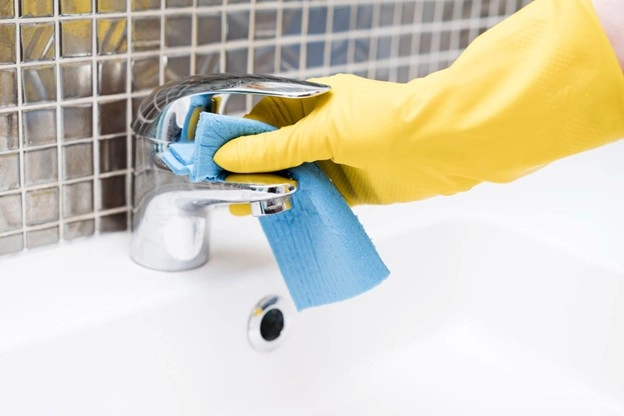
The start of a new year is perfect for a fresh start- not just in life, but in your home too. Bathrooms, in particular, quietly accumulate microbial load, biofilm, soap scum, and mineral deposits over months. Even if it looks clean, surfaces may harbour hidden grime, bacteria, and scaling.
In this guide, we’ll explore why professional deep cleaning matters, how biofilm and microbes build up, and the steps experts take to restore surfaces to pristine condition. You’ll learn practical, science-backed insights to keep your bathroom healthy, sparkling, and easy to maintain all year long.
Understanding Biofilm & Microbial Build-Up
You’ve probably scrubbed your bathroom tiles or wiped down the sink and thought, “It’s clean.” But biofilm tells a different story.
- What is biofilm? It’s a thin, sticky layer of microorganisms (bacteria, fungi) embedded in a protective matrix. Think of it as microbial glue that sticks to grout, faucets, drains, and shower tracks.
- Why it matters: Biofilm protects microbes from ordinary cleaners, allowing them to multiply and persist. This can cause odours, slippery surfaces, and even staining.
- Where it forms: Anywhere moisture meets soap residue- shower corners, faucet bases, drains, grout lines, and even behind toilet rims.
Professional cleaning targets biofilm at the microscopic level, using high-grade disinfectants, steam, and specialized tools that reach hidden surfaces. Regular wiping alone can’t remove it completely. For a complete home sanitation solution, see our Full House Cleaning services that tackle hidden microbes beyond the bathroom.
Why Soil, Soap, and Mineral Accumulation Escalate Over Time

Bathrooms see daily use– soap, toothpaste, shampoo, and hard water leave residues that combine with dust and skin oils. Over months, this forms:
- Soap scum – a sticky layer that traps microbes and minerals.
- Mineral scaling – calcium and magnesium deposits from hard water that form crusts on taps, showerheads, and tiles.
- Hidden soil accumulation – dirt behind fixtures, under drains, and in grout lines.
In winter or in high-humidity areas, damp surfaces accelerate biofilm formation and scaling. Over time, these accumulations reduce surface shine, create rough textures, and even compromise grout or sealant integrity.
Professional cleaners not only remove visible grime but also deep-extract embedded dirt, breaking the chain that allows microbial communities to thrive. For stubborn mineral deposits, check our Marble Polishing services that restore shine and hygiene to hard surfaces.
How Professional Deep Cleaning Resets Surfaces
A “surface reset” is more than scrubbing; it’s a full-service, methodical approach that addresses both visible and invisible contaminants:
- Pre-cleaning inspection – Experts identify high-risk areas like grout gaps, faucet bases, drains, and shower tracks.
- Biofilm & microbial removal – Steam, enzymatic cleaners, or hospital-grade disinfectants disrupt microbial matrices.
- Descaling & mineral deposit removal – Acidic or specialized cleaners dissolve hard-water buildup without damaging fixtures.
- Soil extraction & scrubbing – Grout, silicone, and under-fixture corners get detailed attention.
- Final polish & protection – Surfaces are wiped, dried, and sometimes coated to reduce microbial regrowth and staining.
This systematic cleaning ensures your bathroom isn’t just visibly clean, but also microbiologically safe, reducing odor, slipperiness, and potential damage to tiles or fittings.
If your bathroom surfaces are aged or damaged, explore our Tiles/Stone Replacement services to complement deep cleaning.
Maintaining Your Bathroom Post-Reset

Even after a professional surface reset, daily habits matter to keep surfaces clean and microbial growth in check:
- Wipe faucets, counters, and tiles daily to reduce moisture buildup.
- Use mild, non-toxic cleaners weekly to prevent new biofilm formation.
- Run exhaust fans or open windows to improve ventilation.
- Consider professional deep cleaning every 6-12 months, depending on usage and water hardness.
- Launder bathroom mats, shower curtains, and towels frequently.
These simple steps extend the benefits of a professional cleaning and make regular upkeep easier. For professional upkeep, our Bathroom Cleaning service helps maintain hygiene and prevent microbial buildup all year long.
Final Word
Bathrooms aren’t just functional spaces- they’re hotspots for hidden microbes, biofilm, and mineral buildup. A New Year surface reset by professional cleaners ensures your bathroom is hygienic, sparkling, and easy to maintain.
At Clean Fanatics, we specialize in professional bathroom deep cleaning that removes microbial load, biofilm, and embedded grime while protecting your fixtures. Start the year with a bathroom that’s not only clean to the eye but safe for your family and long-lasting in condition.
FAQs
Biofilm is a sticky layer of microorganisms protected by a matrix. Ordinary wipes only remove surface dirt; professional tools and disinfectants are needed to break the biofilm.
Once or twice a year is ideal, depending on usage, water hardness, and humidity.
Yes, trained cleaners use descaling solutions and steam to remove calcium and magnesium buildup from taps, tiles, and showerheads.
Yes, combined with good daily habits and ventilation, it significantly reduces microbial regrowth.
Professional services adjust methods and chemicals according to materials- tiles, grout, natural stone, glass, and metal fixtures are treated safely.
DIY methods help with small tasks but cannot fully remove biofilm or deeply embedded grime.
Yes, trapped microbes and organic matter in biofilm can cause musty smells if not professionally removed.