 Skip to content
Efflorescence (White Salts) on Walls: Causes, Fix, and a Simple Prevention Plan for City Homes
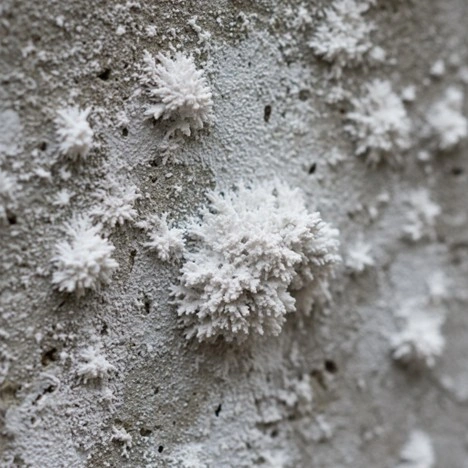
You’ve probably seen it – a white, chalky layer creeping up your wall or forming near the skirting. You wipe it off, but it returns days later. That’s efflorescence, a common yet misunderstood sign that moisture is moving through your wall and leaving behind mineral salts as it evaporates. While harmless to health, efflorescence signals a moisture problem that can lead to dull paint, peeling, or even mold. The good news? If you act early, it’s simple to fix and even easier to prevent.
Let’s break down what causes it, how to fix it correctly, and how to stop it from returning – especially if you live in a humid city home.
What Is Efflorescence and Why Does It Happen in City Homes?
Efflorescence is the white or grey powder that forms on plaster, concrete, or brick walls. It’s caused by water carrying salts through porous materials; when the water evaporates, salts crystallize on the surface.
City homes are especially prone to it because of high humidity, close construction, and limited ventilation. Common triggers include:
- Poor waterproofing in bathrooms or balconies above your wall.
- Leaky plumbing lines hidden within walls.
- High humidity during monsoon months.
- New plaster or paint applied too soon, trapping moisture.
- Rain seepage through cracks or window sills.
Efflorescence isn’t just surface-level damage – it’s a signal that moisture is finding a path through your walls. Ignoring it can lead to deeper issues like plaster erosion or paint bubbling. If you notice damp patches or salt deposits across multiple walls, our Home Inspection Services in Bangalore can help identify hidden moisture sources before they worsen.
👉 Think of it as your wall’s way of warning you that something beneath needs attention.
How to Identify Efflorescence vs. Mould or Paint Damage
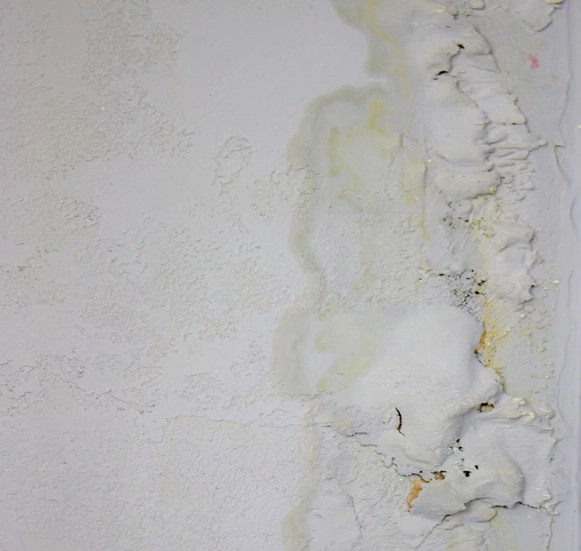
Efflorescence often gets mistaken for mold or regular paint flaking, but each looks and behaves differently. Here’s a quick comparison:
Feature | Efflorescence | Mould |
Colour | White or grey | Black, green, or brown |
Texture | Dry and powdery | Slimy or fuzzy |
Odour | None | Musty smell |
Touch Test | Rubs off easily | Feels sticky |
Location | On plaster or brick surfaces | Corners, ceilings, damp spots |
You can also test it easily – spray a small amount of water on the patch. If it dissolves temporarily, it’s efflorescence. If it doesn’t, it’s likely mold.
👉 Pro tip: Don’t use anti-fungal cleaners for efflorescence. They won’t work and may damage the wall further. For stubborn stains or surface deposits left behind, try our Full House Cleaning Services in Bangalore – we use gentle, moisture-safe cleaning methods to keep your walls fresh and spotless.
Step-by-Step: How to Fix Efflorescence the Right Way
You don’t need to scrape off your walls or repaint immediately. Just follow this simple process:
1. Dry out the wall completely
Keep the area well-ventilated. Use fans, natural sunlight, or a dehumidifier for at least 24–48 hours before cleaning.
2. Brush off the salts
Use a stiff, dry brush to remove loose powder. Avoid wiping with water, as it can dissolve salts and push them deeper into the plaster.
3. Clean with vinegar solution
Mix equal parts of white vinegar and water, lightly dampen a sponge, and wipe the area. Vinegar neutralizes the salts. Let the wall dry naturally afterward.
4. Fix the moisture source
If you skip this, efflorescence will reappear. Check for leaking pipes, damp bathroom walls, or cracked joints.
5. Repaint with breathable paint
Use moisture-resistant emulsions that let walls “breathe.” Avoid oil-based paints that trap moisture.
💡 If the problem keeps coming back, the wall may need deeper treatment like replastering or damp-proof coating. Persistent dampness or salt marks can also weaken your flooring – our Marble Polishing Services in Bangalore restore the natural shine of marble while preventing moisture absorption.
How to Prevent Efflorescence in City Homes (Practical Plan)

The best way to prevent efflorescence is to control moisture before it seeps in. Here’s how:
- Ensure good ventilation: Keep bathroom and kitchen exhausts on for at least 15 minutes daily.
- Seal cracks early: Hairline cracks allow seepage during rain. Seal them with flexible waterproof sealants.
- Inspect plumbing regularly: Even minor leaks can cause recurring salts.
- Use damp-proof coatings: Especially near bathrooms, balconies, and external walls.
- Avoid frequent wall washing: It increases surface moisture.
- Choose professional painting: Quality primers and moisture-resistant paints prevent salt deposits. And for city apartments that often attract damp-loving insects, our General Pest Control Services in Bangalore ensure a cleaner, healthier indoor environment year-round.
👉 If your walls already look dull or show recurring patches, our Interior Painting Services in Bangalore can help restore them with humidity-resistant finishes.
The Final Word: Efflorescence Is Manageable – If You Act Early
Efflorescence might look like a cosmetic problem, but it’s your wall’s way of saying “there’s water here.” Early action can prevent structural damage and protect your paint and plaster for years.
In city homes where humidity is constant, a mix of good ventilation, timely maintenance, and quality paint makes all the difference. Check your walls regularly, especially around bathrooms and external corners, and treat any white patches as an early sign – not a one-time nuisance.
At Clean Fanatics, we help homeowners tackle wall issues like efflorescence, dampness, and flaking with expert inspection and long-lasting solutions. From identifying hidden leaks to using moisture-control paints, we ensure your home stays dry, fresh, and beautiful all year round.
FAQs
No. Always remove salts and fix the moisture source first – painting over will trap the problem.
No, it’s not toxic. But it indicates hidden dampness that can later cause mold.
Usually within weeks of moisture exposure or construction.
Not if moisture is already inside. You must fix leaks and dry the wall before painting.