 Skip to content
Porosity in Natural Stone: How Cracks, Fissures & Minerals Affect Polishing
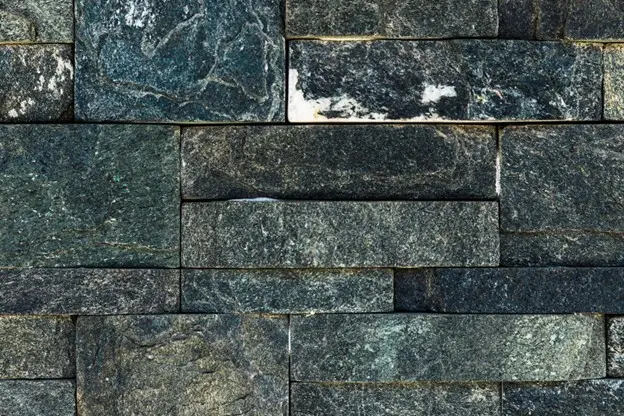
Have you ever polished a piece of stone, expecting a flawless shine, only to find dull spots, cloudy patches, or uneven reflection? It’s frustrating, especially if you followed every step correctly. Many homeowners assume that polishing results depend solely on technique, but in reality, what lies beneath the surface matters just as much.
Natural stone is more than what meets the eye. Its internal structure- tiny cracks, fissures, mineral variations, and differences in density- directly affects how it responds to polishing. By understanding this hidden world, you can predict outcomes and achieve a professional finish every time.
What Porosity Mapping Reveals
Porosity mapping is essentially a diagnostic approach to understand a stone’s internal characteristics. Stones aren’t uniform- some areas are denser, others more porous, some contain micro-cracks, and mineral composition varies within a single slab.
This internal variability affects how the stone interacts with moisture, polishing compounds, and heat. Without considering porosity, polishing can leave blotchy areas, swirl marks, or inconsistent shine. By identifying these zones beforehand, professionals can adjust techniques, pressures, and products, ensuring a smooth, uniform finish.
Porosity mapping isn’t just for high-end projects; even routine maintenance benefits from it. Knowing which areas are more absorbent or fragile helps avoid over-polishing and unnecessary wear, saving both time and money. For larger or damaged sections, our tiles and stone replacement services ensure your surfaces are ready for a flawless polish.
Micro-Cracks: Tiny but Mighty

Micro-cracks are minuscule fractures within the stone that often go unnoticed. They develop naturally during quarrying, due to temperature fluctuations, or from everyday stress over time.
Though small, these cracks play a significant role in polishing outcomes. When a polishing compound or slurry is applied, micro-cracks absorb it unevenly, preventing a consistent surface reflection. This can result in blotchy or cloudy spots, even if the rest of the stone shines perfectly.
Identifying micro-cracks before starting allows professionals to adjust techniques. Our marble polishing service is designed to handle delicate areas with micro-cracks, delivering a smooth, consistent finish. For example, areas with micro-cracks may require gentler polishing, specialized compounds, or pre-treatment to achieve the same uniformity as denser areas. Ignoring them often leads to frustration and wasted effort.
Fissures vs Cracks: Understanding the Difference
Many people confuse fissures with cracks, but they behave differently and require distinct approaches.
- Fissures are natural lines formed over millions of years as the stone developed. They are generally stable and predictable, though they can create slight variations in shine.
- Cracks, on the other hand, result from stress, impact, or environmental changes and may worsen over time.
Knowing the difference helps determine whether polishing alone is enough or if repair is necessary. Treating a fissure like a crack- or vice versa- can lead to uneven results, including dull patches or reflection inconsistencies. Similarly, precise interior painting techniques prevent uneven finishes on walls and ceilings, much like careful stone care ensures uniform shine. Professionals use a combination of inspection, tactile testing, and sometimes imaging tools to map fissures and cracks accurately.
Mineral Composition: The Stone’s Personality

Each type of natural stone- granite, marble, limestone, travertine- has its own mix of minerals, which affects how it responds to polishing. Hard minerals like quartz may polish to a mirror-like finish easily, while softer minerals may absorb more polishing compound or wear down unevenly.
Even within a single slab, mineral variation can cause subtle differences in reflectivity. Professional polishers adjust their techniques, abrasives, and pressure according to these variations to achieve consistent results across the entire surface. Understanding mineral composition also helps in recommending maintenance practices and protective treatments that prolong the stone’s aesthetic and structural longevity. Pairing this with full house cleaning keeps your stone and surrounding areas spotless, maintaining that freshly polished look longer.
Conclusion
Achieving a flawless polished surface isn’t just about technique- it’s about understanding the stone itself. By considering porosity, micro-cracks, fissures, and mineral composition, you can predict polishing outcomes and avoid surprises.
Next time your stone seems dull or uneven, remember: the solution isn’t always to polish harder. The real key lies in reading the stone’s internal structure and adjusting your approach accordingly. With the right knowledge and technique, even the most challenging slabs can achieve a stunning, consistent finish.
At Clean Fanatics, we specialize in tailoring our polishing techniques to each stone’s unique characteristics, ensuring your surfaces shine perfectly every time.
FAQs
Not always. Stones with high porosity or prominent fissures may require specialized treatments or repairs before achieving a full reflective finish.
Through visual inspection, moisture testing, and sometimes specialized instruments, professionals identify areas of high porosity, micro-cracks, and fissures.
Improper polishing can expand micro-cracks, but correct methods and compounds reduce the risk while improving surface appearance.
It depends on the stone type, exposure, and usage. Regular maintenance combined with periodic polishing ensures lasting shine and durability.