 Skip to content
Why Your Kitchen Smells Even When the Chimney Is Off: Backdraft Explained with Air Pressure Science
There’s nothing more frustrating than walking into your kitchen and being greeted by a lingering, unpleasant smell- even when your chimney is off. You clean diligently, cook carefully, and yet, those stubborn odors persist. The culprit behind this mystery is often chimney backdraft, a phenomenon caused by air pressure and airflow imbalances in your home.
A backdraft happens when air, smoke, or odors flow backward into your kitchen instead of escaping through the chimney. This can make your kitchen smell smoky, oily, or stale, even if nothing is actively burning. Beyond being an annoyance, it can also contribute to soot buildup, poor indoor air quality, and potential health risks if left unaddressed.
The good news? Chimney backdraft is usually fixable with the right approach. By understanding why it happens, recognizing the signs, and taking practical action, you can prevent odors from returning. In this blog, we’ll explain the science behind backdraft, the common signs to watch for, and effective ways to fix it- so your kitchen stays fresh, safe, and enjoyable.
What Is Chimney Backdraft and Why It Happens
A chimney backdraft occurs when air flows backward into your kitchen, carrying smoke and odors instead of venting them outside. The main culprit is an air pressure imbalance. Air naturally moves from areas of high pressure to low pressure, and when your kitchen’s pressure drops below that of the chimney or outside, it creates a vacuum effect that pulls air downward.
Common causes of backdraft include:
- Exhaust fans or AC systems creating negative pressure inside the home
- Blocked or cold chimney flues, which restrict airflow
- Poor chimney design or insufficient height, preventing proper ventilation
- Weather changes, including wind or temperature fluctuations that alter airflow, often exacerbate winter indoor air contamination by trapping pollutants inside.
Think of it like a straw in a cup: if the pressure around the straw changes, liquid can flow in the opposite direction. The same principle applies to air and odors in your kitchen. Regular kitchen cleaning can also help reduce grease buildup, which can worsen backdraft issues. Learn more about our Kitchen Cleaning Services at Clean Fanatics.
Understanding this is crucial, because once you know the cause, you can apply targeted solutions rather than guesswork.
Signs Chimney Might Be Backdrafting

Early detection makes all the difference. Here’s what to look for:
- Persistent kitchen odors even when cooking hasn’t occurred recently
- Smoke or steam flowing downward from the chimney
- Soot or ash deposits near the chimney or on the kitchen ceiling
- Flickering flames on gas stoves, influenced by unusual airflow
- Odors triggered by other fans running in your home
Spotting these signs early helps prevent worsening indoor air quality, protects your chimney, and ensures your kitchen remains a clean, comfortable space. Sometimes, structural issues like wall cracks can influence airflow in your home. Our Wall Crack Filing services can help maintain proper ventilation.
How Air Pressure Causes Kitchen Smells
The science behind backdraft is straightforward: air moves from high pressure to low pressure, and negative pressure in your kitchen can pull odors down through the chimney.
Other contributing factors include:
- Chimney height and design: Short or misaligned chimneys fail to vent air effectively.
- Cold or blocked flues: Soot, debris, or cold air can create resistance that encourages backflow.
- Cooking habits: Heavy frying, boiling, or steaming increases indoor humidity and heat, worsening the effect.
By understanding how airflow interacts with your kitchen environment, you can troubleshoot effectively, rather than simply masking the problem with sprays or temporary fixes. Fresh interior painting can also improve airflow and reduce odor absorption in walls. Explore our Interior Painting Services to refresh your kitchen.
Practical Ways to Fix Chimney Backdraft
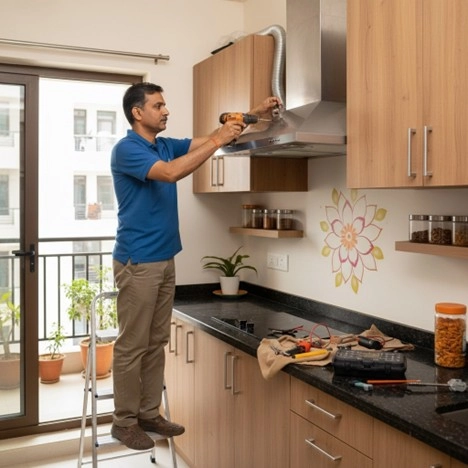
The good news is that backdraft is often easily fixable with the right approach:
- Clean the chimney flue regularly to remove soot and debris that block airflow.
- Adjust or install dampers to regulate air movement and prevent reverse flow.
- Improve ventilation by opening windows or adding vents to balance indoor pressure.
- Install chimney caps or draft inducers to prevent wind-driven backflow.
- Consult a professional if structural issues or persistent airflow problems remain.
Often, the most effective results come from combining these solutions. Cleaning, adjusting dampers, and improving ventilation together can significantly reduce or eliminate backdraft issues. Pests like cockroaches or rodents can block vents and contribute to airflow problems. Check out our General Pest Control services to keep your kitchen safe and hygienic.
Final Word
Chimney backdraft may sound complex, but it’s mostly about airflow and air pressure. Recognizing the signs, understanding the science, and applying practical solutions can keep your kitchen fresh, safe, and odor-free, whether your chimney is on or off.
At Clean Fanatics, we specialise in chimney cleaning, maintenance, and ensuring your kitchen stays safe and fresh.With the right care and preventive measures, you can cook with confidence- without worrying about lingering odors, soot, or airflow problems.
FAQs
Yes. If indoor air pressure is lower than outside, odors can flow back into your kitchen even when the chimney is off.
Cold chimneys reduce natural upward airflow, making it easier for odors and smoke to be pulled back inside.
Mostly, it causes unpleasant smells, but persistent smoke or carbon monoxide can pose health risks. Proper maintenance prevents hazards.
Regular flue cleaning, checking dampers, balancing ventilation, and installing chimney caps or draft inducers are effective solutions.
No. Backdraft is more common in small, enclosed kitchens, multi-story homes, or kitchens with strong exhaust fans creating negative pressure.