 Skip to content
How Paint Sheen & LRV Change Room’s Brightness
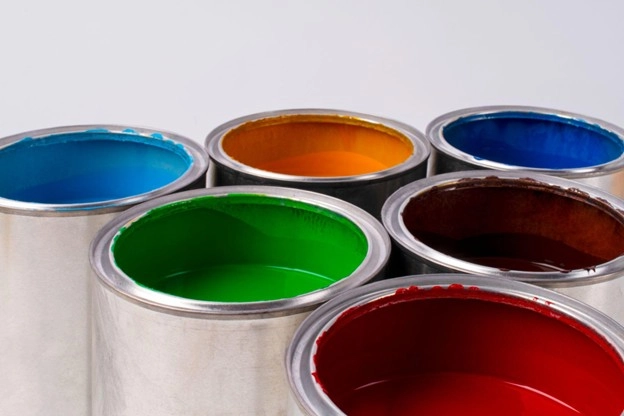
Ever painted a room only to realise the result looks nothing like the shade you picked from the store card? The colour isn’t always the culprit. More often, the real game-changers are two scientific factors that homeowners rarely consider: sheen levels and Light Reflectance Value (LRV). These determine how your walls interact with light, which directly affects brightness, mood, and the overall feel of your space.
What LRV Actually Means for Your Space
Light Reflectance Value measures how much visible light a paint colour reflects on a scale from 0 (pure black) to 100 (pure white). A high-LRV colour bounces more light back into the room, making the space appear brighter and more open. A low-LRV shade absorbs light, making the space feel cosy, dramatic, or deeper in tone.
Think of LRV as the “brightness potential” of a colour. Two rooms painted with the same colour can look completely different if one gets natural sunlight and the other doesn’t. In darker rooms, higher-LRV colours help maximise whatever light is available- natural or artificial. In sunlit areas, too much LRV can create glare, which is why understanding the balance is key. If your walls have accumulated dirt or dullness over time, a professional full house cleaning service can enhance how well high-LRV colours reflect light.
Sheen Levels: Why the Finish Changes How Light Behaves
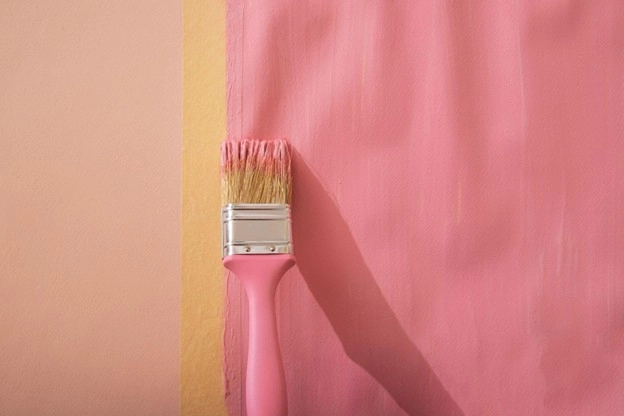
Even if you choose the perfect colour, the sheen determines how it is perceived. Sheen refers to how shiny or matte the finish is, and each level interacts with light differently.
- Matte / Flat: absorbs more light; velvety look; hides imperfections
- Eggshell: low reflectance with a gentle glow
- Satin: noticeable but soft reflection; brighter appearance
- Semi-gloss: crisp shine; reflects a significant amount of light
- Gloss: highly reflective; almost mirror-like on smooth walls
A satin wall and a matte wall with the same colour and LRV will not look identical. The higher the sheen, the more the surface reflects light directly- making the colour appear lighter, brighter, and sometimes sharper. Matte diffuses light, which softens edges and reduces glare, making colours feel richer and more subdued. To preserve the smoothness of matte and eggshell finishes, regular sofa cleaning helps minimise dust build-up that can change how the wall colour appears.
The Physics: Diffuse vs. Specular Reflection
To understand brightness, you have to understand how light bounces.
Diffuse reflection (Matte):
Light scatters in multiple directions. This softens the look of the wall and reduces glare. Imperfections are masked because there is no sharp reflected light to highlight dents or uneven textures.
Specular reflection (Gloss and Semi-gloss):
Light bounces in a single direction, similar to how a spotlight reflects. This makes the wall look brighter but also makes imperfections stand out.
Here’s why this matters:
Two paints with identical colours and LRVs will behave differently depending on the sheen. A high sheen can shift a colour’s visual brightness by what looks like 10-15% simply because sharper reflection tricks the eye into perceiving more light. If your walls show patchiness or uneven texture that becomes too visible under gloss, wall crack filling or minor repairs can drastically improve reflection uniformity.
Everyday Scenarios: How to Pick the Right Combination

Choosing between matte, satin, or gloss becomes easier when you think in terms of how the space behaves daily.
For small, dim bedrooms:
Use mid-to-high LRV shades in eggshell or satin. You get more brightness without harsh reflections.
For living rooms with ample daylight:
Matte or eggshell works beautifully. You maintain brightness but avoid the overly shiny look that strong sunlight can exaggerate.
For kitchens and bathrooms:
Moisture-prone areas benefit from satin or semi-gloss because they reflect more light, feel cleaner, and are easier to wipe down. Pairing the right sheen with proper surface care- such as periodic bathroom renovation or tile upkeep, helps maintain brightness and prevents moisture damage.
For home offices:
Avoid gloss. Choose medium LRV in matte/eggshell to prevent glare and eye strain.
For dramatic or dark interior styles:
Low LRV colours in matte finishes create depth and richness without reflecting too much light. For homes surrounded by greenery or outdoor lighting, proper mosquito control service ensures your night-time lighting (and wall reflectance) stays comfortable and distraction-free.
This is where physics meets practicality- you’re choosing how your room will appear at different times of the day, not just how the colour looks on a swatch.
Final Word
Sheen levels and LRV may sound technical, but understanding them is the easiest way to make sure your paint choices align with your room’s lighting, size, and atmosphere. LRV decides how much brightness enters the room; sheen decides what that brightness does. Together, they help you build a room that looks intentional, comfortable, and visually balanced.
At Clean Fanatics, we help homeowners choose the exact colour, sheen, and finish that match their lighting and ensure the final result looks as good on the wall as it does in your imagination.
FAQs
Not the pigment itself, but it changes how your eyes perceive it. Higher sheen reflects more light, making the colour look slightly lighter and brighter. Matte finishes absorb light, so the same colour can appear deeper or softer.
Because lighting, LRV, wall texture, and sheen all interact differently. A colour with high LRV may look bright in a sunlit room but appear duller in a room with artificial lighting or no natural light.
Matte or flat finishes. They scatter light instead of bouncing it directly, which prevents dents, lines, or rough patches from being highlighted.
Indirectly, yes. High-LRV shades reflect more light, which can help brighten a room naturally. You may feel less need to switch on additional lighting during the day.
Not necessarily, but it depends on the room. High gloss works well on trims, doors, and feature elements. On large walls, it can be too reflective and highlight imperfections, especially in bright rooms.