 Skip to content
Cellulose‑Solvent Interaction in Wood Polishing: Why Some Finishes Penetrate Better Than Others
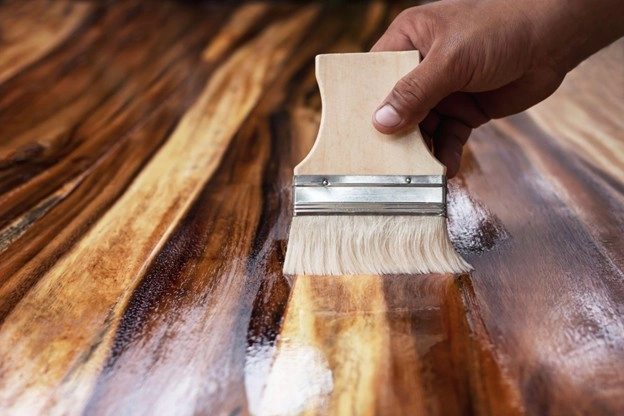
Ever applied wood polish and noticed it just sits on the surface instead of soaking in? Or maybe some areas absorb the finish perfectly while others stay dry. The secret behind this uneven absorption lies in how cellulose in wood interacts with solvents. It’s not just about the finish – it’s about chemistry, preparation, and technique. In this guide, we’ll break it down, share practical tips, and help you understand why some finishes penetrate while others don’t.
Understanding Wood’s Cellulose Structure & Porosity
Wood is a natural material composed of cellulose, hemicellulose, and lignin. Its tiny pores and grain structure determine how a finish penetrates. Think of the wood like a sponge: some sponges absorb liquids quickly, while others barely take in a drop.
- Grain orientation: Straight-grain woods like maple absorb more evenly, while open- or cross-grain woods like oak can be patchy.
- Pore size: Larger pores allow finishes to penetrate more deeply, while dense woods resist absorption.
Maintaining clean wood surfaces helps ensure the pores remain unobstructed, so finishes penetrate as intended. Dust or grime can block absorption, leaving the polish on the surface. A simple session of full house cleaning can remove hidden dust from wood furniture and surfaces, ensuring the polish can penetrate without obstruction.
How Solvents Influence Wood Finish Penetration

The solvent in your finish – whether it’s oil-based, water-based, or lacquer – plays a huge role in absorption.
- Polar vs non-polar solvents: Polar solvents like water interact well with hydrophilic cellulose, while non-polar solvents like mineral spirits suit oil-based finishes.
- Evaporation rate: Fast-evaporating solvents may leave finishes on the surface, while slower ones allow more penetration.
- Reactive vs inert finishes: Some finishes chemically bond with cellulose, creating deeper penetration, while others just coat the surface.
Practical tip: Always match your solvent type with your wood and finish. Just like marble polishing, the right solvent ensures smooth and effective penetration.
Key Factors Affecting Finish Absorption
Even with the right wood and solvent, several other factors can make or break your finish:
- Moisture content: Wood that’s too wet or too dry absorbs finishes unevenly.
- Surface preparation: Sanding opens pores, while leftover coatings or dirt block them.
- Temperature & humidity: High heat can make finishes dry too quickly; low humidity can slow penetration.
- Application method: Brush, wipe, or spray – each method influences how the finish spreads and seeps in.
For optimal results, combining proper solvent selection with interior painting best practices (like surface prep and controlled application) ensures the finish absorbs evenly and looks flawless.
Common Mistakes and How to Avoid Them

Many wood finishing failures happen because of avoidable mistakes:
- Applying thick coats: Thick layers dry on the surface, preventing deeper absorption.
- Ignoring sanding or cleaning: Even a small layer of dust or grime can block the pores.
- Mismatched solvent & finish: Using the wrong solvent can leave finishes sitting on top.
- Neglecting curing time: Not letting each layer dry fully can trap solvents and reduce absorption.
For larger projects, such as bathroom renovation or wood installations, proper prep and careful application from the start prevent these common pitfalls.
Practical Tips for Deep Finish Penetration
Here’s how to get finishes to really soak into wood:
- Prepare the surface carefully: Sand to the appropriate grit, remove dust, and ensure no old coatings remain.
- Match solvent and finish: Test a small area before committing to the full piece.
- Apply thin coats: Multiple thin layers penetrate better than one thick layer.
- Allow proper curing: Give solvents time to evaporate and finishes time to bond.
- Maintenance: Even minor wood defects or pest damage can affect absorption – regular general pest control helps preserve wood integrity.
By following these steps, you can get a professional-grade finish without the guesswork.
Final Word
Understanding how cellulose interacts with solvents takes the mystery out of uneven wood finishes. It’s not just luck- it’s about choosing the right wood, the right solvent, and the right application technique. Proper preparation, attention to moisture and temperature, and careful layering make the difference between a surface-only coat and a deep, lasting finish. At Clean Fanatics, we help you maintain and polish wood surfaces so your finishes penetrate perfectly and last longer.
FAQ
Uneven absorption usually happens because of wood density differences, grain orientation, blocked pores, or mismatched solvent/finish.
Oil-based finishes pair with non-polar solvents like mineral spirits. Water-based finishes use polar solvents like water. Always test a small area first.
Yes, sanding and proper surface prep open pores and improve penetration.
High heat can dry solvents too quickly; low humidity can slow absorption. Ideal conditions ensure even penetration.
Yes. Hidden infestations can change wood density and block pores. Regular pest control helps maintain wood integrity.