 Skip to content
Thermal Stress & Toughened Glass: Why Shower Cubicles Break Without Warning
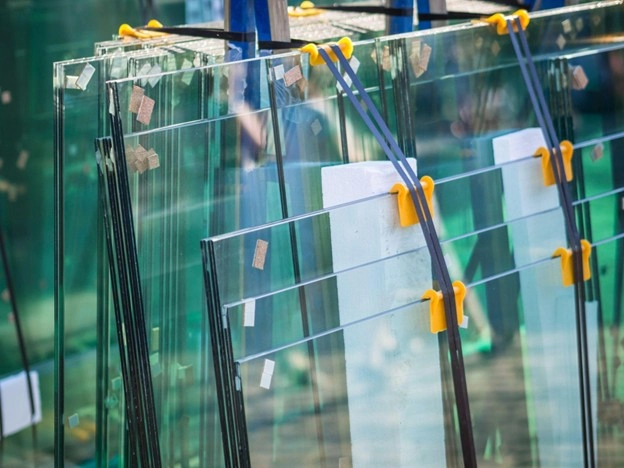
If your shower glass ever “popped” or shattered on its own- or you’ve heard stories of it happening- it’s almost always due to thermal stress. Toughened glass is strong, yes, but it’s also sensitive to uneven heating, internal impurities, and small installation errors. When those factors build up over time, the result can be dramatic breakage that looks sudden but actually develops slowly.
This guide breaks down why it happens, which risk factors matter most, and what you can do to prevent it in your bathroom. We’ll keep it conversational, but we’re diving into technical behaviour, because this problem is more complex than most homeowners assume.
What Thermal Stress Really Does to Toughened Glass
Thermal stress occurs when one part of a glass panel heats up or cools down faster than the rest. Since glass expands when warm and contracts when cool, this difference creates internal tension. Toughened glass- while 4-5x stronger than regular glass, still has a limit.
Here’s what actually happens inside:
- Heat differentials create compression vs. tension zones.
For toughened glass, too much tensile stress near the edges can trigger breakage. - Edges are the weak point, always.
Even tiny chips invisible to your eyes act like fracture starters. Regular bathroom cleaning helps prevent grime buildup along edges that could hide tiny chips or fractures. - Bathrooms cause extreme conditions.
Hot showers, rising steam, AC vents, cold tiles, sunlight from windows- all hit different zones of the panel at once.
Thermal stress isn’t sudden. It accumulates. The shattering happens in an instant, but the causes build slowly over weeks, months, or years.
Risk Factors That Make Shower Glass More Likely to Shatter

Not all toughened glass breaks. Spontaneous breakage happens only under specific conditions, and these risk multipliers dramatically increase that likelihood:
a. Uneven Heating
- Hot shower steam hitting one side
- Direct sunlight on one edge
- Bathroom exhaust or AC cooling the opposite side
This introduces temperature differences strong enough to crack a stressed panel.
b. Nickel Sulphide (NiS) Inclusions
A microscopic manufacturing impurity that expands over time, causing delayed breakage.
NiS inclusions are responsible for up to 70% of spontaneous breakages in tempered glass worldwide.
c. Poor Edge Quality
- Unpolished edges
- Micro-chips from installation tools
- Rubbing against metal frames or hinges
Edges bear the highest tension, so even a 0.1 mm chip matters. Similarly, maintaining polished marble surfaces in your bathroom can prevent abrasive particles from scratching glass edges.
d. Improper Installation
Even perfect glass can fail if the mounting is flawed:
- Misaligned hinges
- Over-tightened clamps
- Metal-to-glass contact with no gasket
- Uneven floor or wall levels forcing structural stress
e. Residual Stress from Manufacturing
If the tempering process isn’t uniform, the glass develops weak points.
Each factor alone is manageable. Two or more together? High-risk.
How to Identify Early Warning Signs Before Breakage
Thermal stress breakage feels sudden, but the precursors aren’t.
Look out for:
1. Hairline edge fractures
Fine cracks starting from corners or hinge contact areas.
2. Creaking, ticking, or popping noises
Yes, glass sometimes talks before it breaks.
3. Visible distortions (roller wave patterns)
This means uneven tempering, which makes the panel more susceptible to thermal stress in toughened glass when exposed to rapid temperature changes.
4. Scratches on the inner hinge / clamp area
Movement + metal = inevitable stress.
5. Uneven gaps during opening/closing
Misalignment equals pressure points.
Most homeowners miss these signals because they blend into daily use. But technicians spot them instantly. While inspecting your glass, consider interior painting updates to walls and frames, as smooth surfaces reduce contact stress points.
How to Reduce Thermal Stress & Prevent Spontaneous Breakage

You can’t eliminate thermal stress entirely. But you can control the factors that push toughened glass past its limits.
a. Choose Heat-Soaked Toughened Glass (HST)
This process intentionally expands NiS inclusions in a controlled environment.
Benefits:
- Removes defective panels
- Reduces spontaneous breakage risk by ~95%
b. Improve Installation Quality
- Ensure gaskets are placed correctly
- Avoid direct contact with metal
- Confirm even spacing between glass and frame
- Use proper hinge tension
A good shower enclosure installer matters more than the brand of glass. If you’re planning upgrades, a home renovation professional can optimize your shower enclosure and surrounding tiles to minimize thermal stress.
c. Manage Heat Exposure
- Avoid placing bathroom heaters/AC vents directly on glass
- Keep blinds closed if glass gets direct sunlight
- Ensure steam doesn’t hit only one edge for prolonged periods
d. Inspect Edges Every 6-12 Months
A tiny chip today is a break tomorrow.
e. Use Laminated Toughened Glass for High-Sunlight Bathrooms
If the glass fails, it holds together instead of dropping into pieces.
Small preventive steps save you from a frightening and costly breakage event. Don’t forget routine general pest control, as insects or nests behind panels can create pressure points that compromise glass stability.
Final Word
Thermal stress isn’t always visible, but understanding how toughened glass behaves makes spontaneous breakage in shower cubicles less mysterious and more preventable. If your bathroom experiences extreme temperature changes, direct sunlight on the cubicle, or glass that wasn’t installed with proper clearances, the risk naturally increases. Staying vigilant about edge conditions, heat exposure, and early warning signs goes a long way in keeping your enclosure safe, stable, and intact over the years- at Clean Fanatics, we ensure your glass remains both beautiful and secure.
FAQs
Yes. Even though toughened glass is stronger than regular glass, uneven heating, microscopic impurities, or small edge chips can cause spontaneous breakage over time. It may seem sudden, but the stress builds gradually.
Thermal stress happens when different parts of the glass heat up or cool down at different rates. Hot steam, direct sunlight, AC vents, or cold tiles can create compression and tension zones that push the glass beyond its limits.
NiS inclusions are tiny impurities from manufacturing. They expand slowly over time, creating internal stress that can trigger delayed breakage. Heat-soaked toughened (HST) glass can eliminate most defective panels before installation.
Look for:
- Hairline cracks along edges or near hinges
- Creaking, ticking, or popping sounds
- Visible distortions in the glass surface
- Scratches or metal contact marks on edges
- Uneven gaps during door operation
Absolutely. Misaligned hinges, over-tightened clamps, or direct metal-to-glass contact can create pressure points. Proper installation with gaskets, spacing, and tension checks is critical to safety.