 Skip to content
Black Mold Growing in a Newly Renovated Bathroom? Here’s the Truth
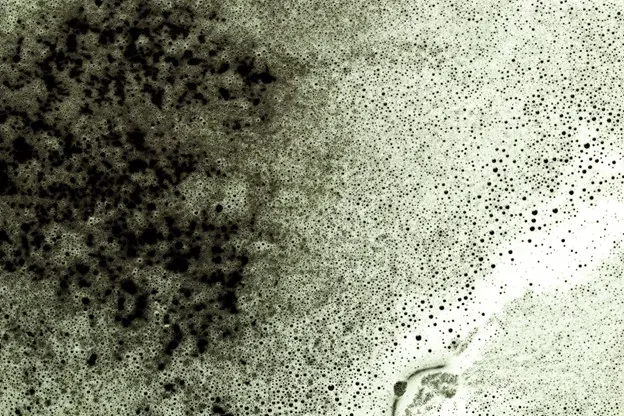
You’ve just completed a bathroom renovation – fresh tiles, new grout, a modern shower, and sparkling fixtures. Everything looks perfect… until a few days later, you notice black spots forming in corners, along grout lines, or near the ceiling.
“Wait, what? I just renovated this!”
Don’t panic. Black mold in bathroom is surprisingly common, even in brand-new bathrooms. The issue isn’t always a shoddy renovation; often, it’s hidden moisture, ventilation gaps, or leftover organic residues. Understanding the root cause is the first step to preventing it from spreading.
Moisture Trapped Behind Tiles or Grout
Even the most beautiful, newly installed tiles can hide moisture in spaces you can’t see. The most common problem areas are behind large-format tiles, around shower corners, along floor-wall joints, and near sinks or toilets.
Why it happens:
- Grout or silicone isn’t applied consistently
- Tiles aren’t fully sealed, leaving micro-gaps
- Water seeps into joints that look fine on the surface
The risk:
Moisture trapped behind tiles creates the perfect environment for black mold to settle and multiply. Mold spores are tiny and can thrive in these hidden damp areas, even when the surface appears dry. Over time, these black patches can spread, discolor walls, or even compromise the grout.
Prevention tips:
- Inspect new grout and silicone lines for gaps or inconsistencies in the first week after installation.
- Use high-quality, water-resistant sealants in wet areas.
- Wipe down walls and corners regularly to reduce residual water.
Even minor moisture issues left unchecked can become a mold problem quickly, so early detection is crucial. You can also explore our Bathroom Renovation services to ensure proper installation and avoid hidden moisture issues.
Incomplete or Improper Waterproofing

Waterproofing isn’t just a flooring or shower concern – it’s about walls, corners, and the hidden spaces behind fixtures. Many homeowners are surprised to find black mold in areas they thought were fully protected.
Signs you might have a waterproofing issue:
- Damp patches appear shortly after renovation
- Peeling paint or bubbling plaster along walls or ceilings
- Musty or earthy smells near showers, tubs, or sinks
Why it matters:
Waterproofing ensures that moisture doesn’t penetrate tiles, walls, or ceilings. Even small lapses allow water to seep behind finishes, creating hidden mold hotspots. Bathrooms with heavy showers or frequent water use are especially vulnerable.
Prevention tips:
- Always ensure professional waterproofing is applied under tiles, behind bathtubs, and around sinks.
- Use moisture-resistant boards in wet areas such as shower enclosures.
- Apply an extra sealant layer in high-risk zones like shower corners or behind toilets.
Proper waterproofing is your first line of defense – skipping or rushing it can undo the whole renovation effort. Learn more about our Waterproofing services to keep your bathroom dry and mold-free.
Poor Ventilation and Humidity Control
Bathrooms are naturally humid spaces, but even a perfectly renovated bathroom can develop black mold if airflow is insufficient. High humidity encourages mold spores to grow and spread.
Why ventilation matters:
- Moisture above 60% relative humidity creates ideal conditions for mold
- Lack of exhaust fans or improperly placed windows traps steam and humidity
- Warm, damp air sitting on walls and ceilings encourages fungal growth
Common signs of poor ventilation:
- Black spots along ceilings and corners
- Condensation that doesn’t dry between showers
- Persistent musty smell
Practical tips:
- Install or upgrade exhaust fans for proper ventilation. Fans should run long enough to remove steam after showers.
- Open windows when possible to encourage airflow.
- Consider a small dehumidifier in bathrooms prone to high humidity, especially in monsoon or rainy seasons.
Even minor ventilation improvements can drastically reduce the risk of mold and keep your new bathroom looking fresh longer. Our Full House Cleaning services also include tips for keeping bathrooms dry and hygienic.
Organic Residue and Cleaning Habits

Moisture alone isn’t enough for black mold; it also needs nutrients like soap scum, shampoo residue, body oils, and dirt. Even newly renovated bathrooms can develop mold if surfaces aren’t cleaned properly.
Why it matters:
- Organic matter on tiles or grout feeds mold spores.
- Invisible residues accumulate quickly, especially in showers, behind toilets, and around sinks.
- New bathrooms might look spotless, but hidden residues provide food for mold.
Tips to stay ahead:
- Wipe down tiles and grout after every shower to remove moisture and soap residue.
- Use mild, residue-free bathroom cleaners to prevent buildup.
- Inspect and clean corners, window sills, and behind fixtures regularly.
Early cleaning is far easier than dealing with black mold once it spreads. A few minutes of maintenance daily can prevent weeks of frustration later. For thorough care, check out our Bathroom Cleaning services to maintain all surfaces spotless and prevent mold growth.
Final Word: Keep Your Renovated Bathroom Safe & Spotless
Black mold in a newly renovated bathroom is usually preventable. With proper waterproofing, effective ventilation, and consistent cleaning routines, you can enjoy a fresh, safe, and long-lasting bathroom.
At Clean Fanatics, we specialize in post-renovation inspections and maintenance, helping homeowners catch hidden moisture issues early and prevent black mold from ever forming. A quick check today can save you a lot of stress – and keep your bathroom as pristine as the day it was renovated.
FAQs
A small amount may appear, but persistent growth signals moisture issues.
Minor spots can be cleaned with vinegar or bleach solutions; extensive growth needs professionals.
Ventilation helps, but only combined with waterproofing and cleaning.
Weekly checks for the first month are ideal, especially after showers or rainy days.
Yes, if moisture seeps behind or if it wasn’t sealed properly.