 Skip to content
How Winter Causes Grout Cracks: Thermal Expansion, Moisture & Weak Bonds Explained
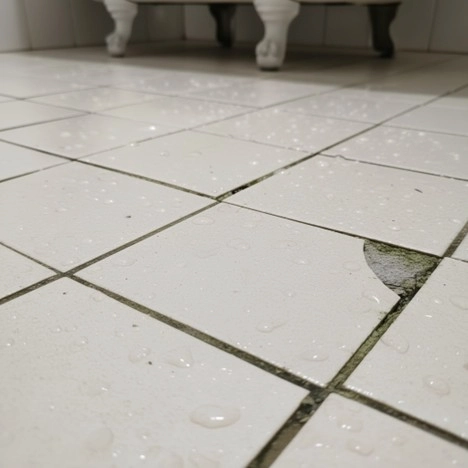
Winter might seem harmless for your tiled floors and walls – after all, tiles are hard, durable, and built to last. But if you’ve noticed small fissures, gaps, or crumbling grout appearing as soon as the cold season sets in, you’re not imagining things. Grout doesn’t just crack by chance; winter conditions actively create stress that weakens the bond between tiles and grout.
Cold temperatures, fluctuating indoor heating, moisture condensation, and freeze-thaw cycles all combine to put pressure on your tile joints. Over time, these forces cause tiny cracks to form, which can grow larger if left unchecked – potentially leading to water damage, staining, and expensive repairs.
In this guide, we’ll dive into the science behind why grout cracks in winter, explore common mistakes and maintenance pitfalls, and share practical, preventative strategies you can use to keep your tiles strong and beautiful, no matter how harsh the winter gets. By understanding what’s happening beneath the surface, you can take smarter action and avoid letting winter do a number on your grout. For comprehensive home maintenance during winter, check out our full house cleaning services to keep every corner of your home safe from moisture and dust.
Why Grout Cracks in Winter: The Science Behind It
Grout may look inert, but it’s susceptible to environmental changes. Winter introduces three main stressors:
- Thermal Expansion Mismatch
- Tiles and grout expand and contract at slightly different rates when temperatures change.
- Cold winter mornings cause tiles to contract faster than grout, creating tension along the joints.
- Repeated cycles over weeks or months cause tiny fissures to form, which grow over time.
- Moisture Migration
- Winter air is drier, but indoor heating creates condensation on cooler surfaces.
- Moisture seeps into the grout, weakening the bond with the tiles.
- Freeze-thaw cycles in cold climates exacerbate the problem: trapped water freezes, expands, and cracks the grout matrix.
- Weak Bond Formation
- Grout that wasn’t properly cured, sealed, or mixed can be more prone to failure in winter.
- Low temperatures slow curing, reducing grout strength and adhesion to tiles.
- Even high-quality grout can fail if installation conditions weren’t optimal for cold weather.
Professional marble polishing can also help protect your stone surfaces from thermal stress, keeping adjacent grout lines intact.
Takeaway: Winter doesn’t just make grout look older – it actively creates stress that can lead to cracking, separation, and water damage.
Why Standard Maintenance Often Fails

Many homeowners wonder why “my grout seems fine in summer but cracks in winter.” Here’s why normal care isn’t enough:
- Temperature Sensitivity: Grout isn’t designed to handle constant thermal shock. Wiping or mopping doesn’t prevent expansion stress.
- Moisture Issues: Cold, humid surfaces repel cleaning liquids, so moisture trapped in grout joints persists unnoticed.
- Hidden Weaknesses: Small installation errors, tiny voids, or lack of sealing become amplified in winter.
Understanding these factors is key before attempting repairs – otherwise, cracks just keep coming back.
Winter Grout Crack Prevention: Science-Based Tips
Preventing winter grout damage is mostly about anticipation and preparation. Here’s a practical, step-by-step approach:
- Control Indoor Climate
- Maintain consistent indoor temperatures. Avoid heating extremes near tiled floors or walls.
- Reduce condensation with dehumidifiers or proper ventilation. Regular office cleaning can also help maintain a moisture-controlled environment in commercial spaces, reducing grout stress in high-traffic areas.
- Seal Grout Properly
- Use a high-quality, water-resistant sealer before winter.
- Reapply every 6–12 months to maintain a strong moisture barrier.
- Inspect and Repair Small Issues Early
- Look for tiny fissures before they become large cracks.
- Use flexible grout or caulk for joints prone to movement.
- Choose Materials Wisely
- Polymer-modified grout resists thermal expansion mismatch better than standard cement grout.
- Frost-resistant tiles combined with flexible grout reduce cracking risk.
- Professional Winter Maintenance
- Winter inspections by professionals can detect hidden moisture or weak bonds before cracks appear.
Home renovation service like wall crack filing can prevent long-term damage when winter stresses reveal weak areas.
Tip: Prevention is cheaper and faster than repairing large cracks after winter ends.
How to Repair Winter Grout Cracks
If cracks already appear, here’s a simple science-backed strategy:
- Assess the Damage
- Minor surface cracks may only need re-sealing.
- Larger gaps may require partial or full re-grouting.
- Clean and Dry
- Remove loose debris and moisture from the grout joint.
- Ensure the substrate is dry before applying new grout.
- Apply Flexible Grout
- Cold weather cracks benefit from polymer-modified or flexible grout.
- Smooth into joints, and allow proper curing in a stable indoor temperature.
Complement your grout repairs with interior painting services to further protect walls and tiles from winter moisture.
- Seal After Curing
- Always reseal repaired grout to protect against winter moisture and temperature shifts.
Regular inspection and timely repair extend the life of your tiles and prevent water damage to subfloors and walls.
Final Word – Staying Ahead of Winter Grout Damage
Winter grout cracks aren’t random. They happen because temperature cycles, moisture movement, and weak bonds combine to stress your tile installation.
By understanding these factors and taking proactive prevention measures – from proper sealing and humidity control to timely inspections and repairs – you can protect your tiles all winter long.
At Clean Fanatics, we follow science-based strategies for grout maintenance and repairs, ensuring your tiled surfaces stay strong, safe, and beautiful through the coldest months. Winter doesn’t have to be a season of surprises for your grout – with the right approach, it can be a season of smart maintenance and long-lasting results.
FAQs
Thermal contraction, moisture migration, and freeze-thaw cycles create stresses that appear as cracks.
You can greatly reduce risk by sealing, using flexible grout, controlling indoor humidity, and inspecting tiles regularly.
Polymer-modified or flexible cement-based grout handles temperature fluctuations and moisture movement better than standard grout.
Clean, dry, apply flexible grout, and seal after curing. Larger cracks may need professional repair.