 Skip to content
Fixing Hollow Tiles: When Injection Works, When Replacement Is Better
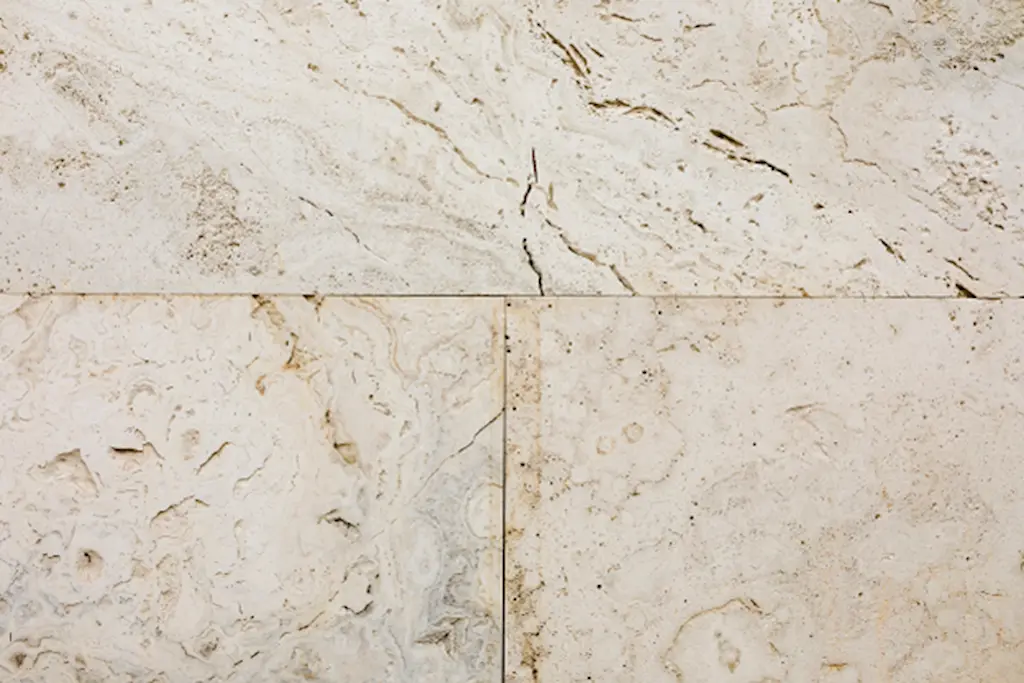
Tiles can make a home look sleek and polished, but hollow or “drummy” tiles are one of those small problems that can turn into a big headache if left untreated. Not only do they sound hollow when tapped, but they also risk cracking, loosening, or even water damage.
The good news? Many hollow tiles can be repaired without removing them. Other times, replacement is the safer, longer-lasting option. Let’s walk through how to decide which path is right for your home.
Understanding Hollow Tiles: Why They Happen
Before fixing anything, it’s important to understand what causes hollow tiles and how they develop over time. Common causes include:
- Poor installation – thin or uneven adhesive layers leave voids under tiles.
- Incorrect mortar mix – too much water or weak cement can reduce bond strength.
- Floor movement – subfloor flexing, vibrations, or building settling can loosen tiles.
- Water infiltration – moisture beneath tiles can weaken the adhesive over time.
Spotting hollow tiles is easier than you think: a light tap will sound “drummy” or empty compared to surrounding tiles. You may also notice lifting edges, minor cracking, or uneven surfaces.
Knowing the cause helps decide whether injection repair will work or if replacement is necessary. If the subfloor is stable and the adhesive is still solid, injection often works, but it is also important to understand how to decide if tiling over tiles is a good idea before adding a new layer to your floor. But if tiles are cracked, warped, or the underlying floor is unstable, replacement is the safer bet. Knowing the cause helps decide whether injection repair will work or if replacement is necessary. Learn how a full house cleaning before repair can prevent debris from affecting the tile adhesion.
Tile Injection Repair: How It Works and When It’s Ideal

Tile injection is a minimally invasive method that fills the void beneath a hollow tile with a bonding adhesive, usually epoxy or polyurethane resin. Here’s what makes it popular:
- Non-destructive – tiles stay in place, and the process avoids tearing up your floor.
- Quick turnaround – most tiles are ready to walk on in a few hours.
- Cost-effective – cheaper than removing and replacing tiles, especially in large areas.
When injection works best:
- Tiles are hollow but intact – no cracks, chips, or warping.
- Subfloor is stable – minimal movement under the tile.
- You want to avoid dust, mess, or extended downtime.
Step-by-step process (overview):
- Tap-test tiles to identify hollowness.
- Drill small holes in grout lines (barely visible).
- Inject bonding resin into the void.
- Let adhesive cure (usually a few hours).
- Fill drilled holes with matching grout. Step-by-step process (overview): For stubborn adhesive or dirt beneath tiles, marble polishing techniques can sometimes improve bonding and smoothness.
Injection is excellent for living rooms, hallways, or bathrooms where tiles are solid but hollow. It saves time, money, and stress- but it isn’t suitable for damaged or loose tiles.
When Tile Replacement Is the Better Option
Sometimes, no amount of injection can fix a tile safely. Replacement becomes necessary if:
- Tiles are cracked, chipped, or warped.
- Adhesive has completely failed and the tile moves underfoot.
- Water damage has affected the subfloor, weakening the entire installation.
- You want long-term reliability without redoing the injection in a few years.
Replacement considerations:
- Higher cost and more labor – involves removing tiles, cleaning the subfloor, re-laying, and grouting.
- Messy process – expect dust, debris, and temporary disruption.
- Opportunity to upgrade – a chance to match modern tile designs or switch materials if needed. Replacement considerations: If walls are also affected during tile replacement, interior painting may be required to restore the finish.
Replacement is often the preferred choice for high-traffic areas, kitchens, or balconies, where a failed repair could create hazards or frequent maintenance.
Comparing Injection vs Replacement: Pros and Cons
Method | Pros | Cons | Best For |
Injection | Quick, inexpensive, minimal disruption | Won’t fix cracked or warped tiles, may need re-injection over time | Solid tiles, stable subfloor, living areas, bathrooms |
Replacement | Permanent solution, can fix cracks, long-term durability | Costly, labour-intensive, messy | Damaged tiles, structural issues, high-traffic areas, water-exposed zones |
A simple rule: if the tile is intact and the subfloor is solid, try injection first. If the tile is compromised or long-term durability is critical, replace it. A simple rule: if the tile is intact and the subfloor is solid, try injection first. For large-scale renovations or bathroom remodeling, tiles/stone replacement services can ensure long-term durability.
Final Word
Hollow tiles don’t have to be a long-term problem. Understanding why tiles become hollow and knowing the strengths of injection repair vs replacement helps homeowners make smart decisions, save money, and prevent further damage.
At Clean Fanatics, we help homeowners diagnose, repair, and replace hollow tiles safely, ensuring your floors stay solid, beautiful, and hassle-free for years to come.
FAQs
No- tiles with cracks, warping, or subfloor issues usually need replacement.
If done correctly on solid tiles, injected tiles can last 5-10 years or more.
Yes, replacement involves materials, labor, and potential downtime, making it costlier than injection.
DIY injection is possible but requires precise drilling, resin handling, and curing time. Professional service is recommended for best results.
Ensure proper adhesive application, stable subfloor, and avoid excessive water exposure during installation.