 Skip to content
Waterproofing for Balconies and Open Terraces: What Most Homeowners Miss
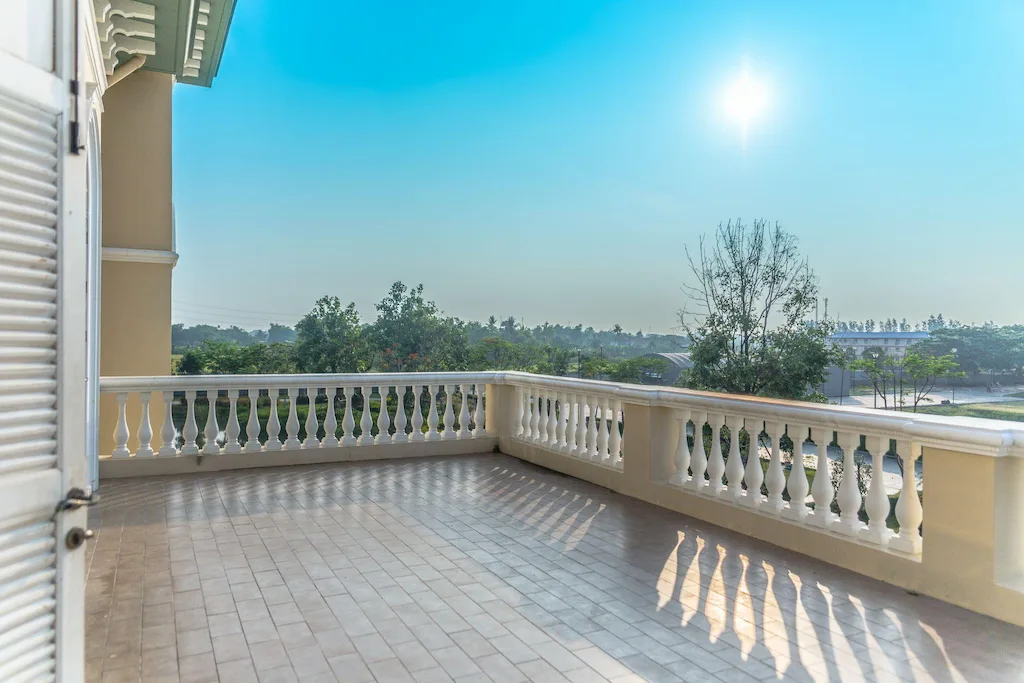
Balconies and open terraces are some of the most loved spaces in any home, perfect for morning coffee, evening relaxation, or small get-togethers. But when the rains hit, those same spaces can quickly turn into damp, leaky nightmares. Most homeowners assume a coat of waterproof paint is enough to keep water out, but that’s rarely the case.
This blog uncovers what really causes balcony and terrace leakage, the common mistakes people make, and shares practical terrace and balcony waterproofing tips to help you prepare your home for the rainy season.
Why Balconies and Open Terraces Need Special Waterproofing
Balconies and terraces face direct exposure to rain, sun, and humidity, which causes constant expansion and contraction of materials. Over time, this leads to micro-cracks, joint gaps, and seepage.
Water seeps through tile joints, rail post fittings, and even poorly sealed drain outlets – eventually reaching the walls or ceiling below. That’s why these spaces require targeted waterproofing systems, not just a paint job. Before waterproofing, it’s smart to get a quick home inspection done to identify existing cracks or moisture seepage that might go unnoticed.
Homeowners often underestimate:
- The role of slope and drainage (improper slope leads to water stagnation).
- The importance of treating joints, corners, and parapet walls.
- The need for UV-resistant waterproof coatings that withstand temperature changes.
Common Waterproofing Mistakes Homeowners Make

Even the best waterproofing materials can fail if the application process isn’t right. Here are the most common mistakes people make during balcony and terrace waterproofing:
- Skipping surface preparation: Dust, old paint, and efflorescence prevent adhesion of coatings.
- Ignoring cracks and joints: Waterproofing over existing cracks without filling them allows seepage underneath.
- Wrong material selection: Using cement or paint instead of flexible waterproof membranes that handle expansion.
- Poor drainage design: No proper outlet or slope leads to puddles and leakage.
- DIY shortcuts: Many try to fix leaks using temporary sealants that only mask the problem. If dampness has already spread indoors, a full house cleaning service can help remove mold, stains, and residue before waterproofing begins.
These mistakes often result in recurring dampness and peeling paint – a clear sign of moisture trapped beneath.
Proven Methods That Actually Work
If done correctly, balcony and terrace waterproofing can last over a decade. Here are tested methods professionals recommend:
- Flexible Waterproof Membrane Systems: These form a seamless, elastic layer that adapts to surface movement and prevents cracks.
- Polyurethane or Acrylic Coatings: Ideal for open terraces, as they provide UV resistance and flexibility.
- Two-coat Liquid Waterproofing: Offers long-term protection for tiled balconies when used with proper joint sealants.
- Cementitious Waterproofing with Polymer Additives: A reliable choice for concrete surfaces before tile installation.
- Proper Slope Correction and Drainage Installation: The foundation of every effective waterproofing job.
When combined with professional inspection and high-grade materials, understanding the right waterproofing methods for terraces ensures long-term, leak-free durability. To refresh the surface after waterproofing, consider exterior painting with weather-shield paints that enhance both protection and appearance.
When and How Often to Waterproof

The ideal time for waterproofing isn’t only when you see damp patches – it’s before monsoon or renovation work begins. Preventive waterproofing is always cheaper than repairing damage later.
Experts recommend:
- Inspecting balconies and terraces every 2-3 years for early signs of seepage.
- Re-applying protective coating every 5-7 years, depending on sun and rain exposure.
- Checking tile joints and drain outlets annually. And if water seepage has caused floor dullness, marble polishing can help restore shine and remove damp stains effectively.
Homeowners often miss these small steps, which is why terrace waterproofing fails repeatedly. A timely inspection helps avoid repainting costs, structural cracks, and even mold growth inside homes.
The Final Word
Waterproofing isn’t just about keeping rainwater out – it’s about protecting your home’s foundation, interiors, and long-term value. Skipping proper methods or trusting quick fixes can cost far more in repairs later.
If you notice even small damp patches, bubbling paint, or white stains, it’s a sign that moisture is already creeping in. The good news? It’s fixable with expert help.
At Clean Fanatics, our professionals use advanced waterproofing solutions tailored for Indian weather conditions – ensuring your balcony and terrace stay beautiful and leak-free, season after season.
FAQs
Look for damp patches, bubbling paint, or dark spots on the ceiling below the balcony.
Yes, with the right liquid-applied membrane or polyurethane coating, waterproofing can be done without removing tiles.
Poor surface prep, incorrect materials, or neglecting slope correction are common reasons.
Polyurethane or flexible acrylic coating works best for open, sun-exposed terraces.
Costs vary depending on the area size, surface condition, and materials used – but on average, balcony waterproofing ranges from ₹40-₹80 per sq. ft., and terrace waterproofing from ₹50–₹120 per sq. ft.
It’s best to do waterproofing in dry weather for proper curing. However, quick-drying polymer-based coatings allow limited waterproofing work even during light rain or humid conditions.