 Skip to content
How to Stop Wall Dampness Permanently: Proven Methods That Work
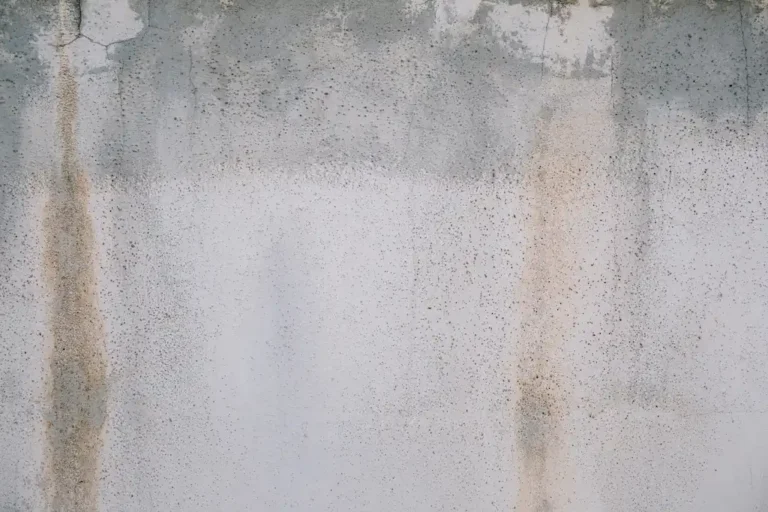
Wall dampness is one of those sneaky home problems that starts subtly but escalates fast. That faint musty smell, peeling paint, or stubborn water stains might seem minor at first- but left untreated, they can lead to mold growth, structural damage, and health concerns such as allergies or respiratory issues.
The good news? Wall dampness can be treated and prevented permanently if approached systematically. In this blog, we’ll guide you through understanding why walls get damp, proven methods to fix it, and long-term preventive strategies. Think of it as a roadmap to dry, healthy, and durable walls– so your home remains comfortable and safe for years.
Understanding Wall Dampness: Causes and Signs
Before diving into solutions, it’s essential to understand what causes wall dampness and how to spot it. Without identifying the root cause, surface treatments like paint or plaster will only provide temporary relief.
Types of Wall Dampness
- Rising damp:
- Occurs when moisture from the ground travels upward through walls due to missing or damaged damp-proof courses (DPC).
- Most common in older homes with outdated construction.
- Penetrating damp:
- Happens when water seeps through walls from external sources, such as heavy rain, roof leaks, or cracks in plaster.
- Often worsened by poor sealing around windows, terraces, or pipes.
- Condensation:
- Caused by high indoor humidity that condenses on cold wall surfaces.
- Frequently observed in bathrooms, kitchens, or poorly ventilated rooms.
Signs to Watch For
- Peeling or blistering paint
- White, powdery deposits on walls (efflorescence)
- Musty odor or visible mold spots
- Water stains or discoloration near windows, roofs, or plumbing points
- Soft, crumbling plaster
Recognizing these signs early allows you to tackle the problem before it spreads, ensuring more effective, long-term solutions. Start with a home inspection to find hidden leaks early. Book a home inspection with Clean Fanatics.
Proven Methods to Stop Wall Dampness Permanently

Treating wall dampness effectively requires addressing both the source and symptoms. Temporary fixes may hide the issue, but moisture will eventually return. Here are methods backed by professionals:
1. Install a Damp-Proof Course (DPC)
- Essential for rising damp.
- A waterproof layer is inserted at the base of walls, blocking moisture from traveling upward.
- Modern solutions include chemical DPC injection or physical membranes.
2. External Waterproofing
- Use water-repellent coatings or membranes on terraces, exterior walls, and around windows.
- Seal cracks, joints, and gaps to prevent rainwater from entering. Fix damaged plaster or cracks through our replastering service. Explore now.
- Particularly important in regions with heavy monsoon rainfall.
3. Internal Waterproofing / Chemical Injection
- Involves injecting walls with damp-proof chemicals that block moisture penetration.
- Highly effective in walls already affected by rising damp.
- Often combined with replastering for smooth, dry interiors.
4. Repair Roof and Plumbing Leaks
- Roof leaks, burst pipes, or faulty plumbing are common causes of penetrating dampness.
- Regular inspection and immediate repair prevent water from entering walls.
- Ensure gutters and downpipes direct water away from foundations.
5. Improve Ventilation & Control Humidity
- Condensation can be prevented with good airflow, exhaust fans, and occasional use of dehumidifiers.
- Proper ventilation reduces indoor humidity and prevents mold growth.
Pro Tip: Combining multiple methods is often the most reliable approach. For example, addressing rising damp through DPC while repairing roof leaks ensures comprehensive protection.
Tools and Techniques Professionals Use
While some homeowners rely on DIY solutions, professionals use specialized tools and techniques that identify hidden moisture and ensure permanent repairs.
Infrared / Thermographic Scans
- Detect hidden dampness behind plaster or wall finishes without destructive drilling.
- Reveal moisture patterns invisible to the naked eye, allowing precise treatment. Ensure clean, dust-free walls before waterproofing with our full house cleaning service.
Moisture Meters
- Measure dampness levels in bricks, concrete, and plaster.
- Help professionals determine the severity and type of dampness before intervention.
High-Quality Waterproofing Materials
- Cement-based coatings, polymer membranes, and chemical sealants provide long-lasting protection.
- Products are chosen based on wall material, type of dampness, and environmental conditions.
Why professional methods work:
- They tackle the root cause, not just the visible signs.
- Reduce repeated repairs and costs over time.
- Provide scientifically backed, long-term solutions rather than short-term fixes.
Preventive Measures for Long-Term Moisture-Free Walls

Permanent damp-proofing isn’t just about repairs, it’s also about prevention. Small habits and timely maintenance can keep your walls dry for years.
Effective Preventive Practices
- Annual Home Inspections:
- Check roofs, terraces, and plumbing for leaks or cracks.
- Early detection prevents major damp problems.
- Maintain Gutters & Drainage:
- Ensure water is channeled away from the foundation.
- Avoid clogged drains or soil buildup near walls.
- Use Water-Resistant Paints:
- Damp-proof or water-repellent paints provide an additional layer of protection. Enhance protection and finish with our interior painting service.
- Particularly useful for bathrooms, kitchens, and external walls.
- Control Indoor Humidity:
- Ventilate bathrooms and kitchens.
- Use exhaust fans and dehumidifiers to reduce moisture.
- Landscape Wisely:
- Ensure soil slopes away from your home.
- Avoid placing planter beds directly against walls, which can trap moisture. Keep damp-prone areas pest-free with our termite control service.
By integrating these preventive measures, you reduce the risk of recurring dampness, ensuring walls remain strong, clean, and healthy.
Final Word: Permanent Dampness Solutions Are Within Reach
Wall dampness is more than a cosmetic issue, it’s a structural and health concern. Addressing it requires accurate detection, proper repair methods, and consistent preventive measures. When done correctly, dampness can be stopped permanently, saving you repeated costs and headaches.
At Clean Fanatics, we help homeowners tackle wall dampness with infrared detection, chemical damp-proofing, roof and plumbing repairs, and high-quality waterproofing solutions. Our experts ensure that your walls remain dry, safe, and aesthetically pleasing long after renovations are complete.
Remember, permanent damp-proofing is an investment in the longevity of your home. With the right techniques, tools, and preventive care, you can enjoy a moisture-free, healthy, and durable living space.
FAQs
Yes, when the root cause, rising damp, leaks, or condensation- is addressed with proper treatment and preventive measures.
With high-quality materials and professional application, waterproofing can last 10-20 years.
Minor issues like sealing small cracks or improving ventilation can be DIY, but rising or penetrating dampness should be treated by professionals.
Costs vary based on wall size, severity, and materials. A professional assessment is required for accurate estimates.
Regular inspections, proper ventilation, water-resistant paints, and roof and gutter maintenance are key to long-term protection.