 Skip to content
Durable Hardware Guide: Stainless Steel vs Brass Fittings, Soft-Close Hinges, and Seal Quality
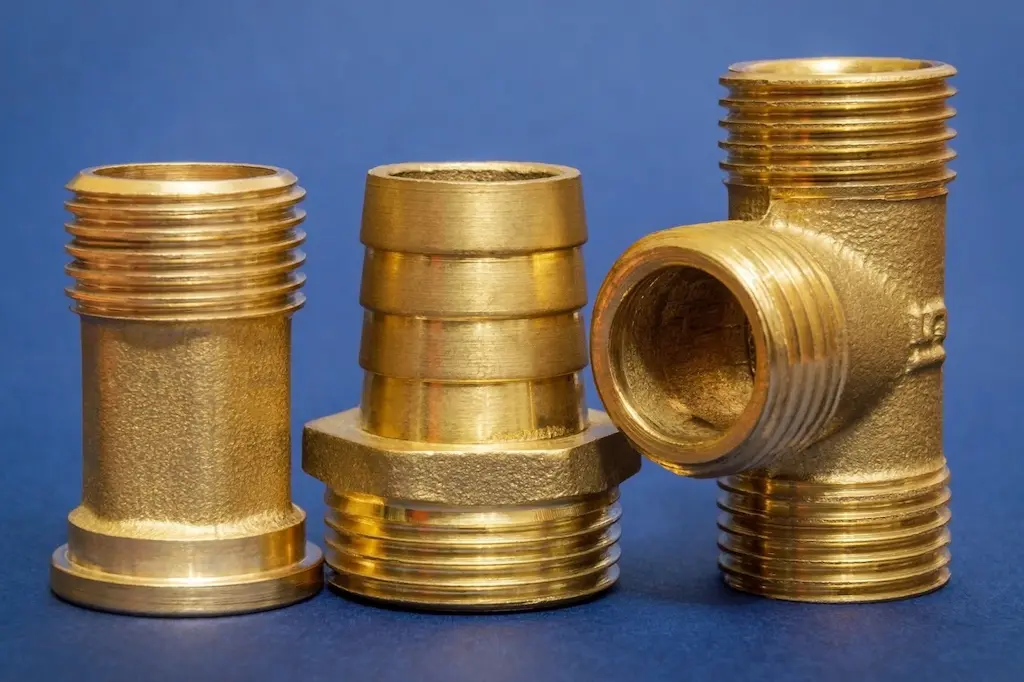
When planning a renovation or home upgrade, it’s easy to get caught up in how things look– the sleek shine of a new faucet, the golden hue of a brass handle, or the satisfying glide of a soft-close drawer. But true value lies in how long your hardware lasts. A beautiful fixture that rusts, leaks, or loosens within a year defeats the purpose of good design.
This guide will help you understand the real difference between stainless steel and brass fittings, the role of soft close hinges, and why seal quality quietly determines how long your investment stays intact.
Stainless Steel vs Brass Fittings: Which Lasts Longer?
When it comes to fittings, “durability” and “corrosion resistance” are the most common buzzwords, but they mean slightly different things for stainless steel and brass.
Stainless steel fittings are made by combining iron with chromium and nickel, creating a metal that naturally resists rust and staining. Its surface doesn’t easily oxidize, which is why it’s the preferred choice for kitchens, outdoor plumbing, and humid areas. Stainless steel also holds up well under pressure, making it perfect for water and gas lines. For lasting kitchen and bathroom performance, pair quality fittings with our bathroom cleaning service.
In contrast, brass fittings– an alloy of copper and zinc- offer a more traditional look. Their golden tone adds warmth to interiors, and their natural corrosion resistance comes from copper. However, brass is softer than stainless steel, which makes it easier to machine but also easier to dent. Over time, exposure to moisture can cause a reaction called dezincification, where zinc leaches out, leaving the metal porous. If your old fittings have already suffered moisture damage, our replastering service restores walls and surfaces to ensure new hardware fits securely and lasts longer.
Still, brass has a timeless appeal and works beautifully in decorative faucets, bathroom fittings, and vintage-style interiors. For people who appreciate elegance and don’t mind occasional polishing, brass remains a classic.
In essence:
- Stainless steel = modern, durable, low-maintenance.
- Brass = traditional, elegant, moderate upkeep.
If your priority is longevity and function, stainless steel wins. But if you value charm and design, brass can be worth the care.
Durability Beyond Looks: The Role of Soft Close Hinges
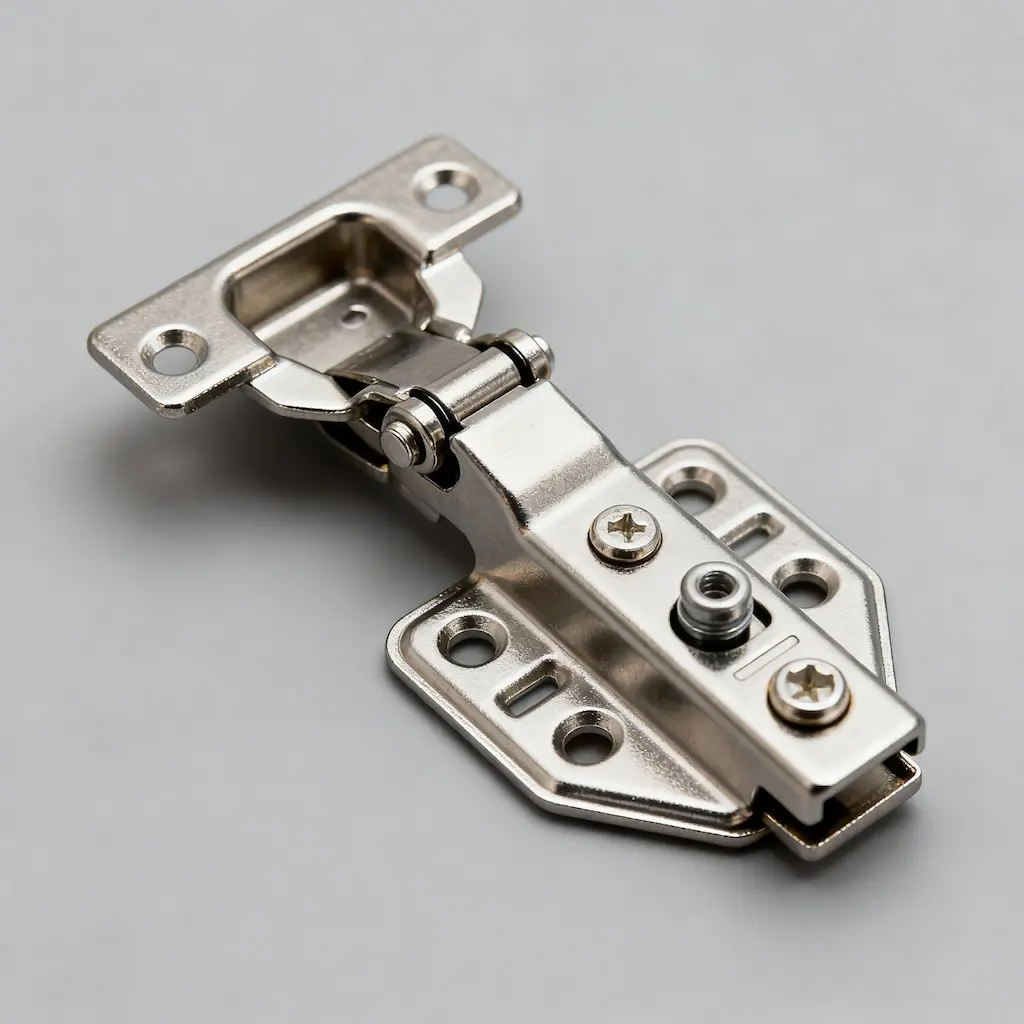
Ever noticed that gentle, effortless closing of a cabinet door in a well-designed kitchen? That’s thanks to soft close hinges– a feature that may seem small but has a big impact on both comfort and durability.
Soft close hinges contain a built-in damper that slows down the closing action of doors and drawers. Instead of slamming shut, the hinge mechanism ensures a smooth, silent finish every time. This doesn’t just reduce noise; it also protects your furniture from long-term structural stress.
Repeated impact from slamming causes micro-fractures in cabinet frames, loosens screws, and wears down the wood or laminate. A soft close hinge eliminates that, preserving the alignment and stability of your furniture. Refresh worn cabinets with our interior painting service for a clean, new look.
When buying, look for hinges made from stainless steel or zinc alloy, as they resist rust and handle repeated motion better. Avoid plastic dampers- they may be cheap, but they wear out quickly.
For anyone investing in modular kitchens or wardrobes, soft close hinges are one of those “once you try it, you can’t go back” features. They enhance both functionality and longevity, giving your furniture a premium touch.
Seal Quality: The Hidden Hero of Hardware Longevity
If fittings are the bones of your space, seals are the joints– and they’re just as important. Whether it’s a faucet, a pipe connector, or a shower fitting, the seal ensures that no water leaks through the system.
A good seal prevents corrosion, maintains water pressure, and extends the life of the entire fitting. On the other hand, a poor-quality seal can lead to tiny leaks that you might not even notice until it’s too late. Over time, these leaks cause rust, mineral deposits, and mold growth- all of which can weaken your hardware from the inside out. Prevent leaks and damage with our bathroom renovation service.
Look for fittings that come with rubber or silicone O-rings– they offer flexibility, strength, and resistance to both heat and chemicals. High-end fittings usually have tested seal mechanisms that guarantee durability even under high pressure.
When choosing between brands, check for details like:
- Even threading (no sharp edges or gaps)
- Certified material quality
- Warranties that mention leak prevention or seal testing. Protect walls and fittings from seepage with our waterproofing service.
Most homeowners never think about seals until something breaks. Paying attention to them early saves you repairs later and ensures your fittings deliver the performance they promise.
Choosing What’s Right for You (and Your Budget)
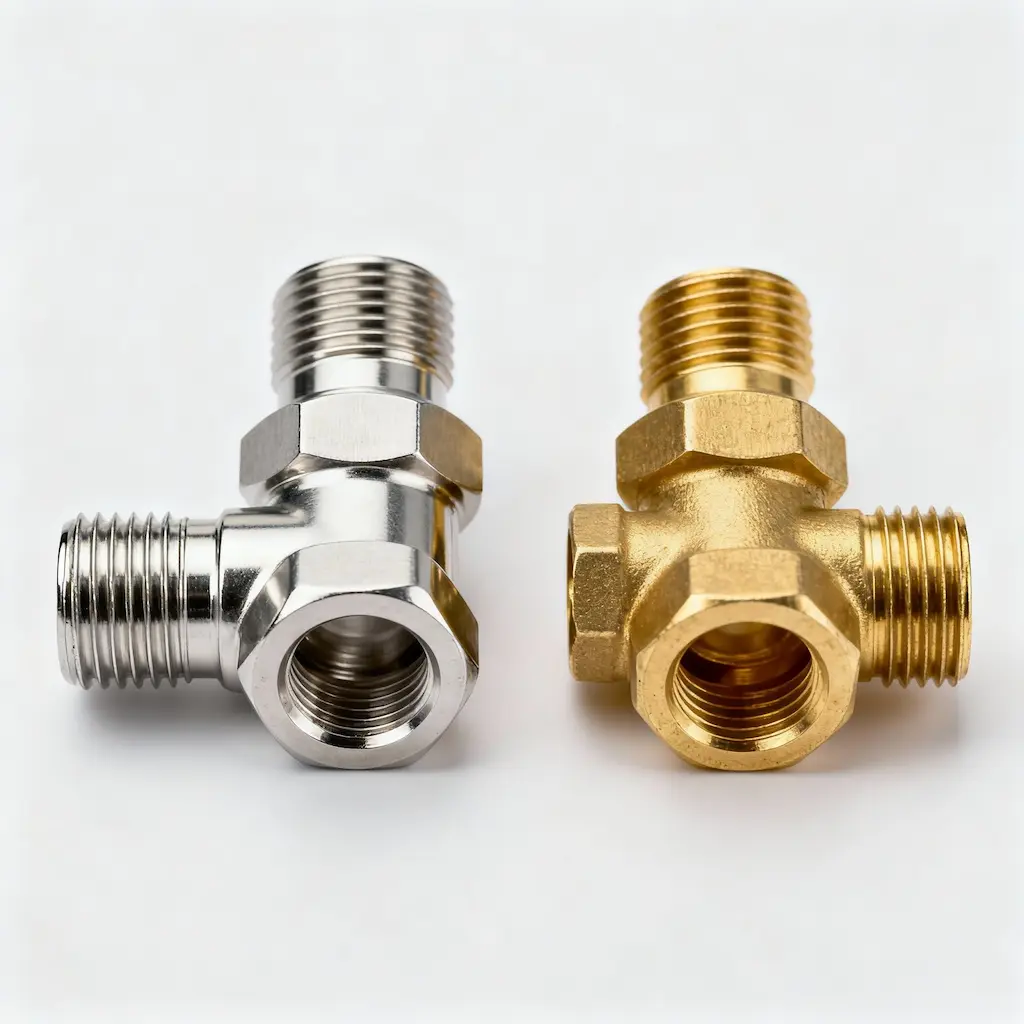
Durability and cost often go hand in hand- but that doesn’t mean you have to overspend. Understanding where each material shines helps you make smart, balanced choices.
Here’s a quick comparison:
Feature | Stainless Steel | Brass |
Durability | Excellent | Good |
Corrosion Resistance | Very High | Moderate-High |
Aesthetic Appeal | Sleek, modern | Warm, classic |
Maintenance | Minimal | Requires polishing |
Longevity | 10-20 years | 7-15 years |
Cost | Moderate | Slightly higher |
Ideal Use | Kitchens, outdoors | Bathrooms, décor-focused spaces |
If you’re someone who prefers function over form, stainless steel is the best value for money- it performs exceptionally well in all weather conditions and requires almost no upkeep.
If you’re curating an interior that feels rich, vintage, or artistic, brass might be worth the investment. Many luxury brands even offer coated brass fittings that minimize tarnish without losing their charm.
You can also mix materials: stainless steel for the heavy-use areas like kitchens and brass for decorative elements in bathrooms or living spaces.
The Final Word: Invest Smart in Hardware That Lasts
When you’re building or renovating, think of hardware as the foundation of your home’s functionality. Paints, tiles, and lighting can be changed with trends, but fittings, hinges, and seals are long-term investments that quietly determine how well your space ages.
Between stainless steel and brass, there’s no wrong choice- only a question of priority. If your goal is maximum durability, resistance to wear, and minimal maintenance, stainless steel is your best bet. But if you prefer a luxurious, vintage charm that adds personality to your interiors, brass fittings will always stand out.
At Clean Fanatics, we believe durability starts with choosing the right foundation. That’s why we emphasize quality fittings, precise installation, and regular maintenance to keep your home functioning beautifully for years.
Because when you invest smart in the details, your home doesn’t just look great- it stays great.
FAQs
Not easily. High-grade stainless steel, especially 304 or 316, resists rust well, though occasional cleaning helps maintain shine.
Yes. They prevent long-term cabinet damage, keep interiors quiet, and add a premium touch.
Look for branded fittings that specify “tested seals” or “leak-proof design,” and avoid generic or unverified products.
Stainless steel usually offers a better balance of cost and durability, while brass is ideal for aesthetic or luxury projects.