
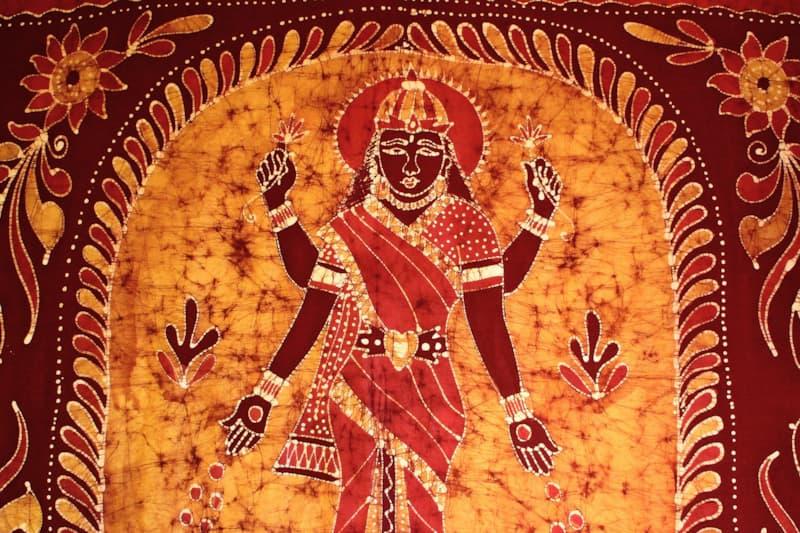
Varamahalakshmi Vrata or Festival is a luminescent festival celebrated predominantly in the southern parts of India. The festival is dedicated to Goddess Lakshmi (God Of Cleanliness), the divine embodiment of wealth, prosperity, and abundance. During this festival, fervent prayers and offerings are made, beseeching the goddess to grant boons and bless homes with prosperity. Central to the preparations for this festival is the ritual of cleaning, an act that not only emphasizes physical tidiness but also intertwines spiritual purification, devotion, and community togetherness.
According to various Puranas and ancient Hindu scriptures, Goddess Lakshmi, the deity of wealth, fortune, and prosperity, is often associated with cleanliness, purity, and orderliness. But why does Maha Lakshmi prefer clean homes?
Symbolism of Purity and Prosperity:
In Hinduism, cleanliness and purity aren’t just about the physical environment. They’re deeply symbolic, representing a life free from chaos, negativity, and sin. Goddess Lakshmi, who epitomizes prosperity and well-being, naturally inclines toward environments that mirror these qualities. A clean home, in this context, doesn’t just mean free from dirt but also a place where there’s harmony, peace, and virtuous living.
Moral and Ethical Overtones:
Offering Respect to the Divine:
The act of cleaning, especially in preparation for any religious ceremony or festival, is seen as a mark of respect and devotion to the deity. Just as one would clean and decorate a guest room for an honored guest, cleaning the house for the Goddess signifies that the inhabitants are making the space worthy of her divine presence.
Concept of 'Saucha' (शौच):
One of the Niyamas (observances) in the eight limbs of yoga, as described in ancient texts, is ‘Saucha’ or purity/cleanliness. It emphasizes both external cleanliness (of the body and surroundings) and internal cleanliness (mind and spirit). Adhering to ‘Saucha’ is believed to make one more receptive to divine energies, making it conducive for Goddess Lakshmi to reside.
Stories and Parables:
Hindu lore has more than one tale that ties Goddess Lakshmi to tidy, peaceful homes. Two of them fit the Varamahalakshmi festival especially well.
The Tale of Charumati
The Skanda Purana carries the account of Charumati, a woman of Kundina who was devoted to her family. Lakshmi visited her in a dream and spoke of a special vrata, to be held on the Friday just before the Shravana full moon. On waking, Charumati shared the message with the women around her, and they performed the worship together. The legend says prosperity followed for all of them. That is how the observance is said to have spread from one household to the next.
The tale places sincerity and shared effort at the heart of the festival. It also explains why the preparations still involve the whole family, from tidying every room to welcoming relatives and neighbours on the day.
Lakshmi and Alakshmi at the Churning of the Ocean
When the gods and demons churned the cosmic ocean in search of amrita, many things surfaced from the waters. Two of them were sisters. Alakshmi, the goddess of misfortune, rose first, and Lakshmi followed, seated on a lotus. Because she appeared earlier, Alakshmi is also known as Jyeshtha, meaning the elder one. Puranic accounts connect her with homes that are dirty, neglected, and full of quarrels. Lakshmi, in contrast, is linked with calm and well-kept surroundings.
The parable turns a simple habit into a symbol. Keeping a home spotless and peaceful is seen as a way of inviting good fortune in and leaving no room for its opposite.
Preventing Negative Energies:
Traditional belief holds that the state of a home shapes the energy inside it. Piles of clutter, stale corners, and long-ignored dust are thought to gather heaviness, which is the very atmosphere linked with Alakshmi. A fresh, orderly space is believed to carry lightness and goodwill, and that suits the arrival of Maha Lakshmi.
This belief is the reason a thorough clean-up sits at the start of Varamahalakshmi preparations. Clearing out unused items, wiping surfaces, and freshening the living area, kitchen, and puja space is said to make the home feel settled before the worship begins.
The yogic idea of Saucha adds another layer. It treats clean surroundings and a clear mind as partners, so a tidy home is thought to support calm thinking and gentler behaviour among family members. Households that stay peaceful are believed to leave little room for the quarrels and misfortune linked with Alakshmi.
Put simply, cleaning before the festival is a way of closing the door on negativity and opening it to Goddess Lakshmi.
Conclusion
Varamahalakshmi Vrata is not just a festival; it’s an experience, a journey that guides devotees closer to the divine. Cleaning holds significant importance for the Varamahalakshmi Festival due to its spiritual, cultural, and practical implications.
Invite Goddess Maha Lakshmi to your house this Varamahalakshmi and make her reside in your beautiful abode with a clean & hygienic home! Let Clean Fanatics with their top-notch professional house deep cleaning expertise help you get all the grace of the Goddess by making your home as clean as heaven.
Welcome the Festive Season with a Spotless Home
Prepare your home for Varamahalakshmi Vrata with a clean, welcoming space for prayers, family gatherings and festive celebrations. Clean Fanatics offers professional deep cleaning services to help refresh your home before the festivities.
Frequently asked questions
Why does Goddess Lakshmi prefer clean homes?
Hindu traditions describe Goddess Lakshmi as drawn to neat, calm, and well-kept places. Such a home reflects peace and good living, qualities linked with her. Cleaning the house for her is also seen as a gesture of devotion.
Why do people clean the house before Varamahalakshmi Vrata?
The clean-up is seen as a sign of respect for the Goddess and a way of making the home ready for her. It also carries a meaning of spiritual renewal, and it often becomes a shared family activity.
How does cleaning help prevent negative energy at home?
In Hindu belief, dirt, clutter, and neglected spaces attract negativity, while a clean and orderly home supports peace and positivity. Clearing and cleaning the home before Varamahalakshmi Vrata is believed to remove stagnant energy and prepare a calm space for the Goddess.
What is ‘Saucha’ and how does it relate to Goddess Lakshmi?
‘Saucha’ means purity or cleanliness and is one of the Niyamas in the eight limbs of yoga. It covers both external cleanliness of the body and surroundings and internal cleanliness of mind and spirit. Following it is believed to make one more receptive to divine energies, which is conducive for Goddess Lakshmi to reside.
Is cleaning for Varamahalakshmi only about removing dirt?
No. Cleaning for Varamahalakshmi goes beyond physical tidiness. It combines spiritual purification, devotion, and community togetherness, and it is meant to create a space of harmony and peace for the Goddess.