
How to Tell if Wall Plaster Is Hollow or Loose: The Tap Test Explained
At a Glance
How to tell if wall plaster is hollow comes down to a simple tap test.
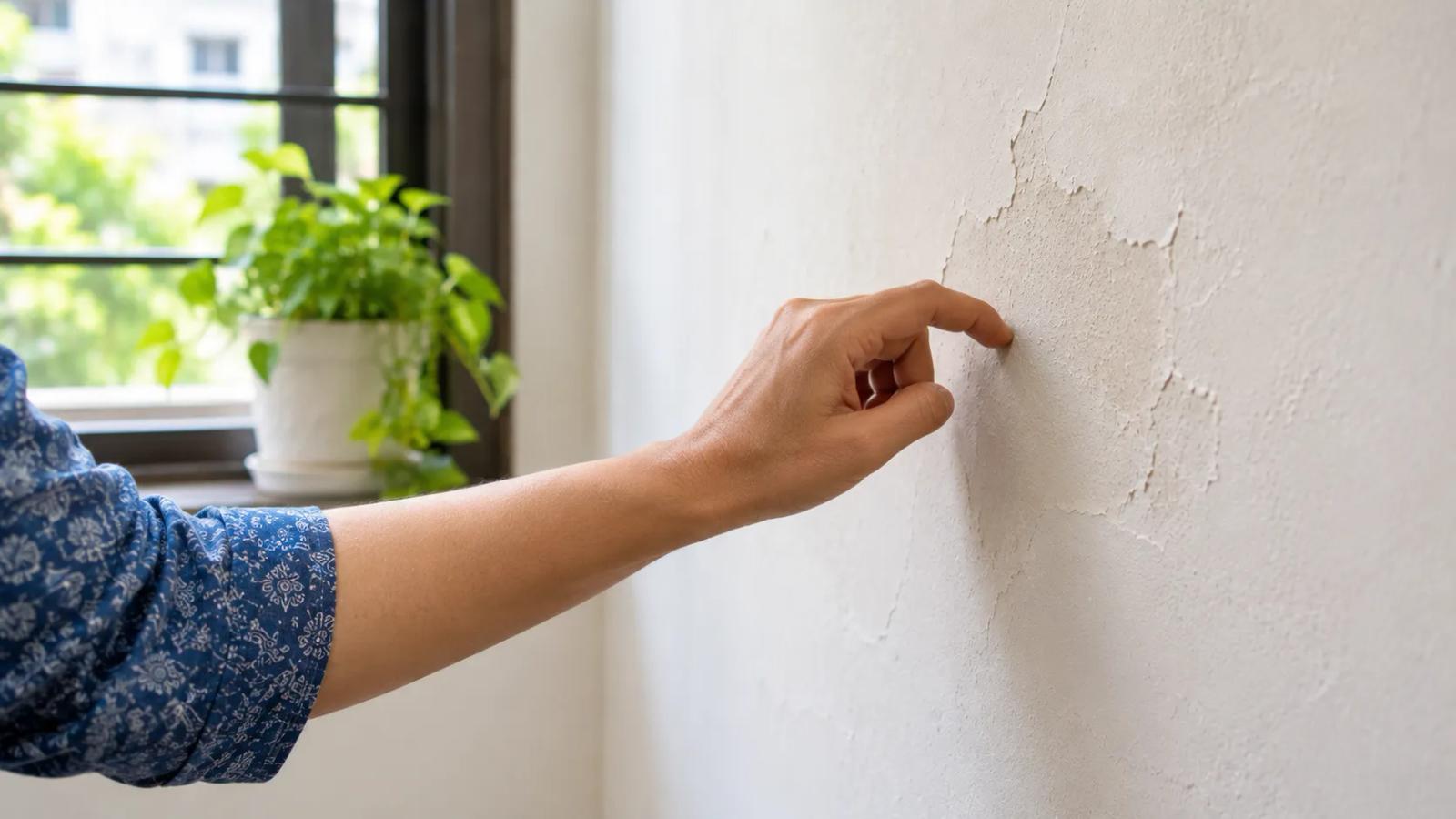
- The test: tap the wall lightly with a knuckle and listen. Sound plaster gives a dull, solid thud, while loose plaster sounds hollow, like an empty box, and may give slightly under the hand.
- What it means: hollow plaster has lost its bond with the wall, most often because of damp.
- How serious: small patches are usually cosmetic, but bulging or ceiling areas can fall.
This guide explains the test, the causes and what to do next.
Plaster rarely fails without warning. A hollow patch near a crack, a bubble under the paint or a white powdery stain are all early signs that the plaster has let go of the wall. The easiest way to confirm it needs no tools beyond a knuckle. For what happens when plaster has to be redone, see this guide to replastering.
What Is Hollow or Loose Plaster?
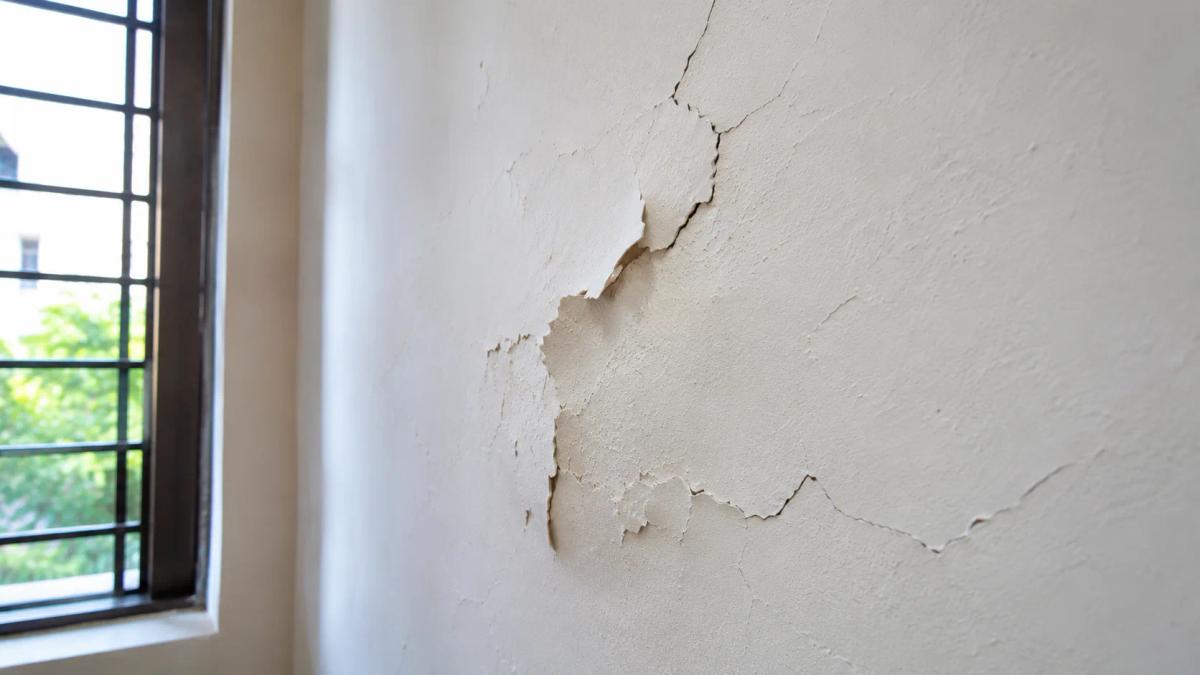
Hollow or loose plaster is plaster that has lost its bond with the wall behind it, leaving an air gap, which is why it sounds hollow when tapped and can bulge, crack or fall.
Tradespeople often call it blown plaster. It does not mean the plaster has burst, only that it has detached from the surface and is hanging on by very little. The common signs are:
- A hollow sound when the wall is tapped
- Bulges or bubbles under the paint
- Cracks, especially in a random or map-like pattern
- White powdery salts on the surface
- Peeling or flaking paint over one patch
- Plaster that crumbles or moves slightly under gentle pressure
How Does the Tap Test Work?
The tap test works by tapping the wall lightly and listening, because sound plaster gives a dull, solid thud, while loose plaster sounds hollow, like tapping an empty box.
How to Do the Tap Test in 6 Steps
The tap test takes about ten minutes for a room and needs only a knuckle or a screwdriver handle.
- Learn the normal sound first. Tap an area that is clearly sound, so there is a sound to compare against.
- Tap lightly. Use a knuckle or the handle of a screwdriver, since hard blows can damage weak plaster.
- Work across the wall in a grid. Cover corners, areas around cracks and the zones below windows, where moisture often starts.
- Mark hollow patches. Use a pencil or chalk to outline every area that sounds hollow.
- Press gently with a flat palm. Hollow plaster may move slightly, but never push hard, especially on ceilings.
- Photograph and note the extent. The size and location of the patches decide what happens next.
What Else Can Make a Wall Sound Hollow?
A wall can sound hollow because it is a lightweight partition, a false ceiling or has a cavity behind it, not because the plaster has failed. A solid masonry wall that sounds hollow only in patches is the real warning sign. Comparing the sound with similar walls in the same home, and noting whether the wall is brick, block or a partition, avoids false alarms.
Why Does Plaster Go Hollow?
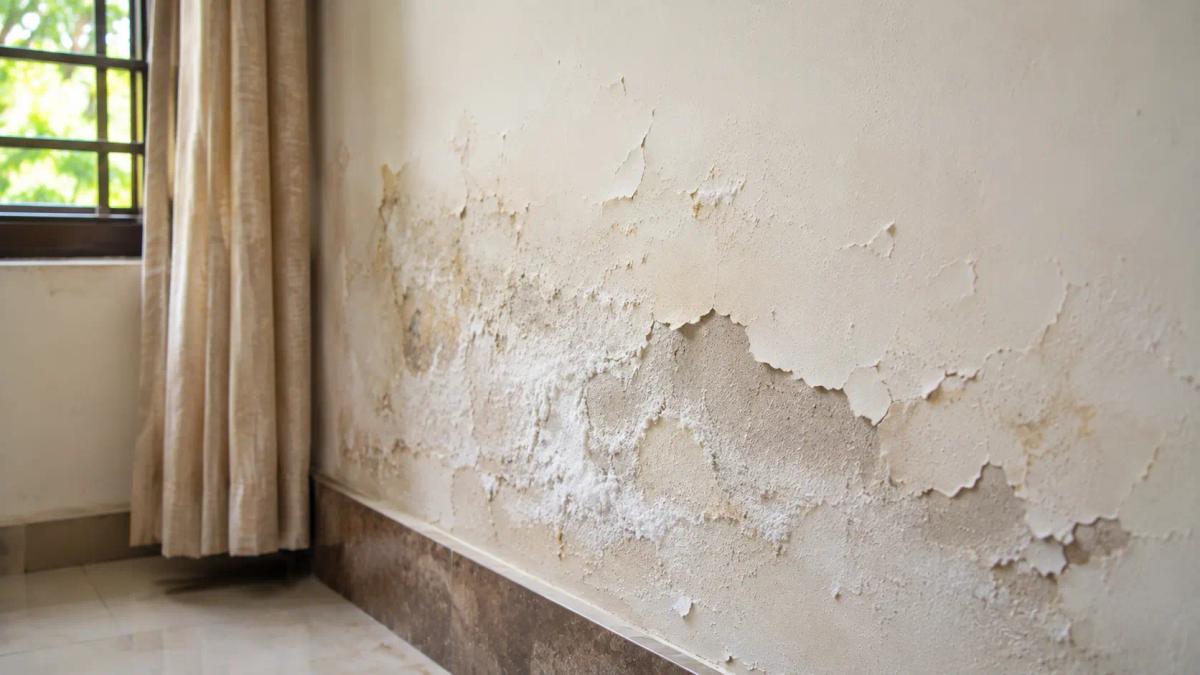
Plaster goes hollow when moisture, poor preparation or other stresses break its bond with the wall, and moisture is the most common cause.
Moisture gets behind the plaster and breaks the bond, and salts carried by damp can crystallise and push the plaster outward. Telling a leak from damp is the first step, as set out in how to tell a damp wall from a plumbing leak. The usual causes are:
- Damp or leaks behind the wall
- Salts that crystallise and push the plaster off
- A dusty, smooth or poorly prepared surface before plastering
- Plaster that dried too fast or was not cured properly
- Movement or vibration in an older building
- Corroding steel inside columns and beams
How Serious Is Hollow Plaster?
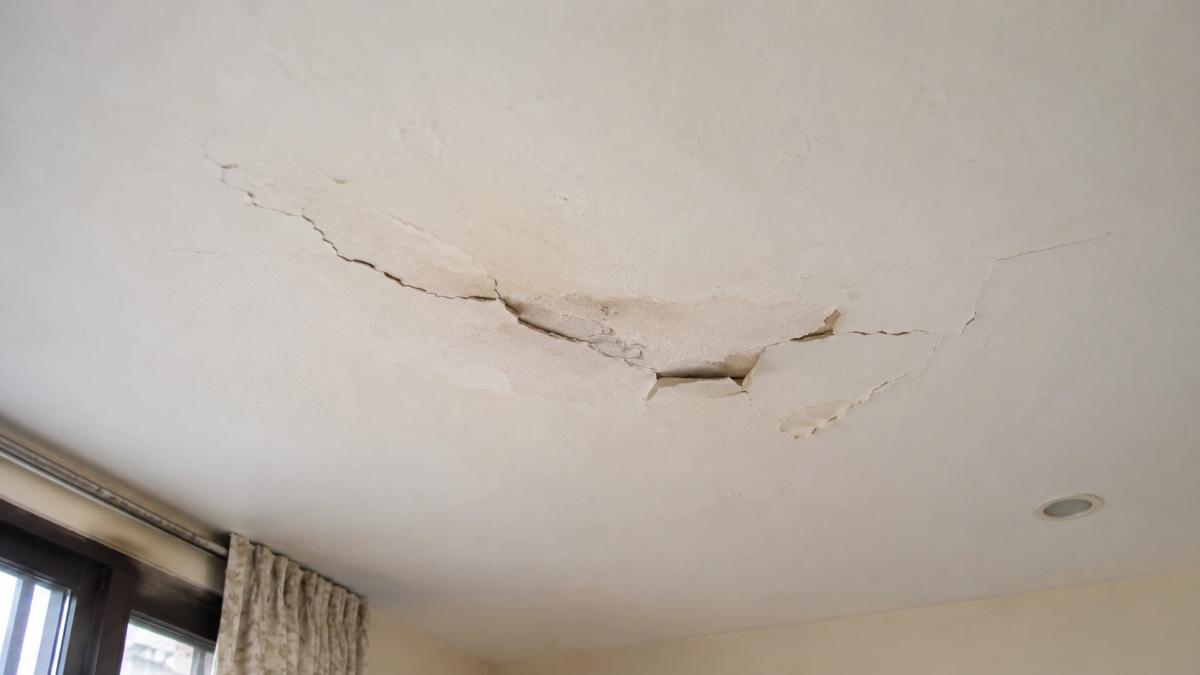
Small hollow patches are usually local and cosmetic, but large, bulging or ceiling areas can fall, so the size, position and cause decide how serious it is.
Loose ceiling plaster is the most dangerous, because it can fall and injure someone, and areas that are sagging or spreading quickly should be inspected promptly and kept clear. The table below links the signs to the next step.
| Sign | What It Suggests | Next Step |
|---|---|---|
| Small hollow patch, no cracks | Local loss of bond | Remove the loose area and repair |
| Hollow patch near a crack | Movement or moisture | Find the cause, then cut out the loose plaster |
| Hollow with salts or stains | Moisture behind the wall | Fix the damp first, then replaster |
| Bulging or sagging ceiling | Plaster may fall | Keep clear and get it inspected promptly |
| Hollow on a column or beam | Possible steel corrosion inside | Have an engineer assess it |
Pro Tip: Tap the plaster again after a monsoon spell. A patch that sounded fine in summer and hollow in September is telling you where moisture is getting in.
What Should Be Done About Hollow Plaster?
Hollow plaster should be removed back to firm edges and redone after the cause is fixed, because painting or skim coating over it does not restore the bond.
Small, sound areas can sometimes be re-secured, but the lasting repair is usually to cut out the loose plaster and replaster the patch in layers once the wall has dried. If the plaster keeps failing in the same place, the cause has not been fixed, as explained in why wall cracks keep coming back. Clean Fanatics offers replastering.
How to Stop Plaster Going Hollow Again
Plaster stays bonded when moisture is controlled, the surface is prepared properly and new plaster is allowed to cure.
- Fix leaks and damp early, before they reach the plaster
- Make sure the wall is dry before replastering
- Insist on proper surface preparation and curing for new plaster
- Keep rooms ventilated, especially bathrooms and kitchens
- Do not paint over damp or hollow patches
- Recheck known problem walls after every monsoon
How to Decide Between Repair and Replastering
Small, isolated hollow patches can be cut out and patched, while widespread, bulging or ceiling failures call for replastering and an inspection of the cause. Cracks in ceilings near beams deserve extra caution, as covered in this guide to ceiling cracks near beams. The tap test shows how much plaster has gone, but not why, so the cause always needs checking.
Restore Damaged Walls with Professional Painting Services
Hollow, loose or damaged plaster can affect the appearance and condition of your walls. Identifying the underlying issue before painting is important for a lasting finish. Explore professional painting services from Clean Fanatics to refresh your home's walls.
Frequently asked questions
How can I tell if plaster is hollow?
Tap the wall lightly with a knuckle and listen. Sound plaster gives a dull, solid thud, while hollow plaster sounds like an empty box and may give slightly under gentle pressure.
What does hollow plaster mean?
Hollow plaster, which tradespeople also call blown plaster, has lost its bond with the wall behind it. Damp is the most common cause, and poor preparation or curing can also cause it.
What is blown plaster?
Blown plaster is what tradespeople call hollow or loose plaster. It does not mean the plaster has burst. It means the plaster has detached from the surface and is hanging on by very little.
What do I need for the tap test, and how long does it take?
You need only a knuckle or the handle of a screwdriver. The tap test takes about ten minutes for a room. Tap lightly, because hard blows can damage weak plaster.
Does a hollow sound always mean bad plaster?
No. Lightweight partitions and false ceilings sound hollow naturally. A solid masonry wall that sounds hollow only in patches is the real warning sign.
Is hollow plaster dangerous?
Small hollow patches are usually cosmetic, but large, bulging or ceiling areas can fall. Hollow sounds on columns and beams should be assessed by an engineer.
Is hollow plaster on a ceiling dangerous?
Loose ceiling plaster is the most dangerous kind, because it can fall and injure someone. A sagging ceiling, or one where the loose area is spreading quickly, should be inspected promptly and kept clear. When pressing a ceiling, use a flat palm gently and never push hard.
Why does plaster go hollow after the monsoon?
Monsoon moisture can get behind plaster and break its bond, and salts carried by damp can push it off the wall. A patch that becomes hollow after the rains points to a moisture source.
Can hollow plaster be painted over?
No. Paint does not fix the lost bond, so the patch will keep failing. Remove the loose plaster and repair the wall first.
Can I repair hollow plaster myself?
Small, sound areas can sometimes be re-secured, but the lasting repair is usually to cut out the loose plaster back to firm edges and replaster the patch in layers once the wall has dried. If the plaster keeps failing in the same place, the cause has not been fixed.