
Early Signs of Water Seepage to Watch for in Bangalore Rains
Bangalore rains. That sweet petrichor, the lush greenery, the chai cravings… and then- drip, drip– a mysterious patch on the ceiling. Before you know it, your home’s suddenly living its best soggy life.
If you’ve ever been caught off guard by seepage in the middle of monsoon season, you’re not alone. But luckily, your home sends up SOS signals way before things get dramatic. You just need to know where to look.
In short, water seepage is moisture trapped inside your walls. The six early signs are bubbled or peeling paint, stubborn damp patches, a musty smell, white powdery deposits (efflorescence), floor tiles that feel squishy, and mould or mildew.
Let’s break down the early warning signs before you’re knee-deep in soggy regret.
Why is there so much water seepage in Bangalore ?
Bangalore’s weather is a bit of a paradox. It’s pleasant most of the year, but when it rains- it pours. And all that beautiful moisture? Not so beautiful when it’s trapped inside your walls.
Here’s why seepage thrives here:
- Humidity hangs around like an uninvited guest.
- Sudden, heavy rains give your drainage system zero time to cope.
- Many buildings here have terraces with poor slope, old waterproofing, or drainage issues that no one looked at since 2009.
Early Signs That Your Walls Are Not Okay
1. Bubbled or Peeling Paint
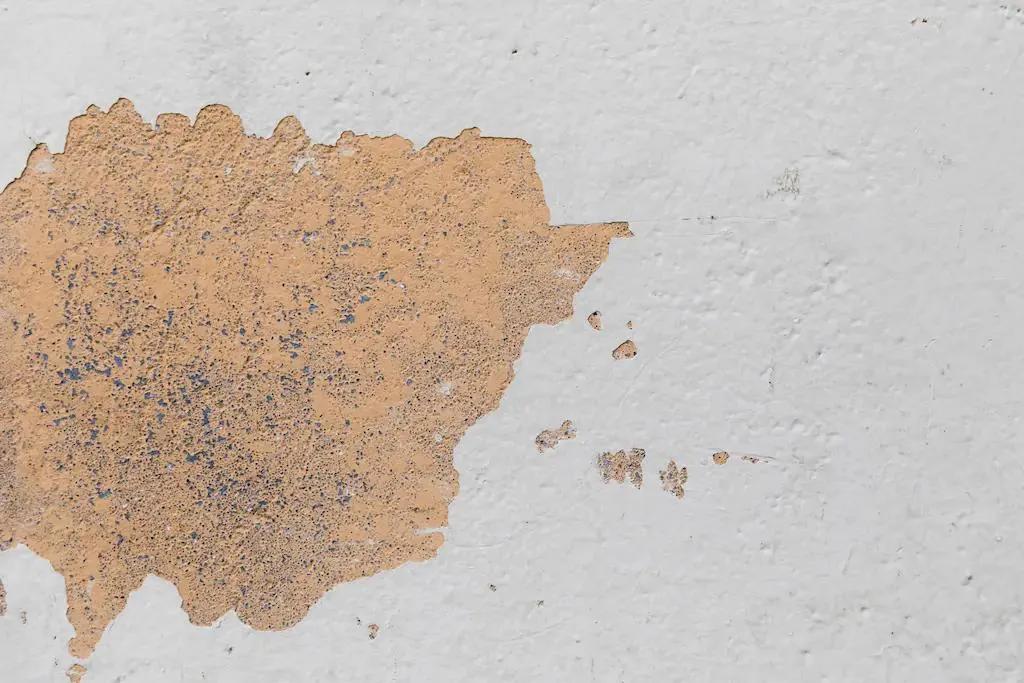
If your walls are doing a spontaneous exfoliation treatment, it’s not just bad paint. That’s trapped moisture trying to escape. Bubbles, flakes, and cracks = classic seepage signals.
2. Stubborn Damp Patches
Dark patches that hang out in one spot, especially near corners, ceilings, or behind furniture? Yep, that’s water. On a ceiling, it’s seepage coming through, and it’s not going anywhere until you address the root cause.
3. Musty, Muggy Smell
If it smells like a wet towel, even when everything looks clean- you’re sniffing out hidden moisture. Your nose often knows before your eyes do.
4. That White, Powdery Stuff (Efflorescence)
No, your walls aren’t growing dandruff. Those white deposits are salts left behind as water evaporates from brick or cement. It’s one of the clearest signs your walls are absorbing water.
5. Floor Tiles That Feel… Squishy?
Floors shouldn’t have bounce unless you’re on a trampoline. Moisture creeping up from underneath tiles is a sign of rising dampness, often coming from foundation or plumbing leaks.
6. Mould, Mildew & Tiny Forests
Fungus is great- on pizza. Not so much on your walls or bathroom corners. Mould growth means moisture is lingering and likely seeping through some hidden crack or crevice.
What Happens If You Ignore It?

- Recognizing the signs your home has waterproofing problems is vital because seepage isn’t just a cosmetic issue—it’s like ignoring a toothache until you need a root canal.
Here’s the real cost of brushing it off:
- Structural Damage: Water weakens walls and ceilings. Over time, you’re not just looking at damp patches, you’re looking at collapse potential.
- Health Issues: Mould triggers allergies, asthma, and respiratory trouble- especially in kids and older folks.
- Ruined Interiors: Warped wooden furniture, discoloured walls, rusty fixtures? Bye-bye home aesthetic.
- High Repair Bills Later: A tiny patch now could turn into a ₹2 lakh job later. Prevention > panic repairs.
DIY Checks You Can (and Should) Do Today
You don’t need fancy gadgets for damp detection. Here’s what you can look for:
- Tap walls- hollow sounds often mean moisture beneath.
- Open cupboards and sniff corners- musty odours = trapped water.
- Run your hand along external walls- flaky paint or chalky texture is a red flag.
- Watch the ceiling during a downpour- any slow-growing stains? Time to investigate.
Caught It Early? Here’s What to Do
Quick Fixes (Short-Term Relief):
- Dehumidifiers or silica gel in closed rooms
- Anti-fungal sprays in early mould patches
- Sealant paste for hairline cracks
Permanent Solutions (Call the Experts):
- Terrace and roof waterproofing
- Crack filling and plaster rework
- Plumbing leak detection
- Waterproof exterior paint and coatings
Don’t DIY everything, especially when it comes to structural areas. Some things are better left to professionals who won’t patch the leak with chewing gum.
Prevent Seepage Before It Starts
Make seepage checks your monsoon must-do, right up there with stocking up on chai and ordering hot pakoras in the season.
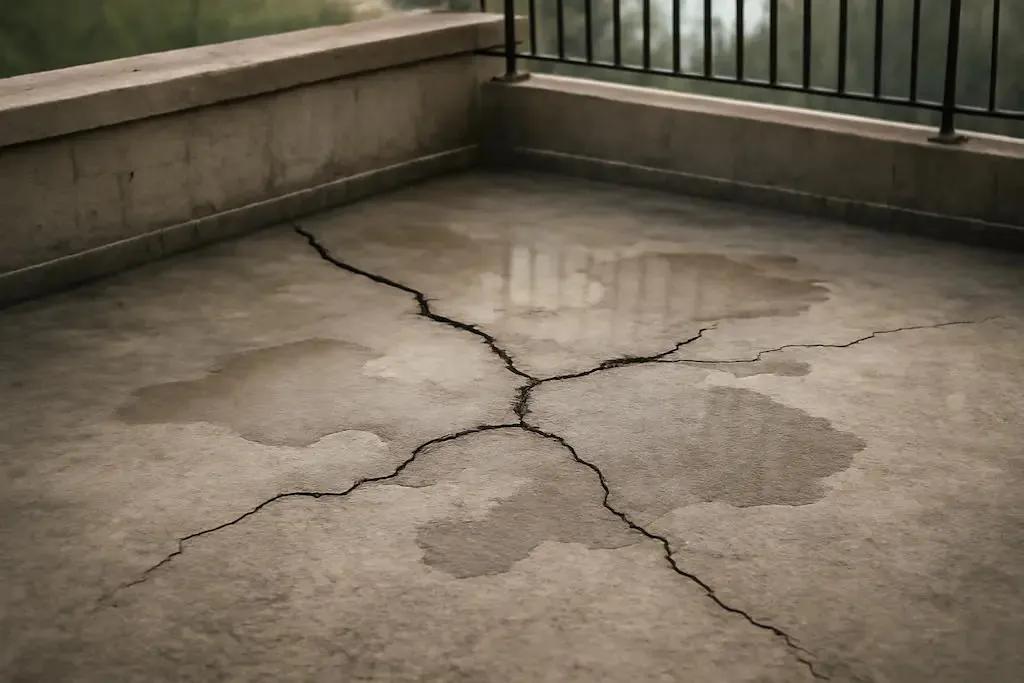
- Inspect roofs and terraces every summer
- Clean out gutters and drains (do NOT wait for them to overflow)
- Use waterproofing paint or wall coating on at-risk walls
- Install proper slope and drainage on balconies and rooftops
Conclusion: Spot It, Stop It, Save Yourself
Water seepage is sneaky, but not invisible. Whether it’s bubbling paint, musty smells, or a ceiling patch that’s slowly changing colour like a moody chameleon, it’s telling you something.
Catch it early, act fast, and you’ll avoid the emotional trauma of watching your walls cry during Bangalore’s next downpour.
Need Help from the Pros?
Clean Fanatics knows Bangalore rains better than Google knows your location.
Spotted one of these signs? Book a waterproofing inspection before the next downpour. We’ll identify the weak spots and keep the water where it belongs- outside.
Book Waterproofing Inspection!
Call us now at +91 87222 72777
Frequently asked questions
What is water seepage?
Water seepage is moisture that gets trapped inside your walls. In Bangalore it thrives because humidity hangs around, sudden heavy rain gives your drainage system no time to cope, and many buildings have terraces with poor slope, old waterproofing or drainage issues.
What are the early signs of water seepage?
Bubbled or peeling paint, stubborn damp patches, a musty smell, white powdery deposits (efflorescence), floor tiles that feel squishy, and mould or mildew. Small cracks in walls or ceilings are a classic seepage signal too.
What does a patch on the ceiling mean?
A dark patch that stays in one spot, especially near corners or on a ceiling, is water, and it will not go away until you address the root cause. Watch the ceiling during a downpour: any slow-growing stain means it is time to investigate.
What is the white powder on my walls?
It is efflorescence: white deposits of salts left behind as water evaporates from brick or cement. It is one of the clearest signs that your walls are absorbing water.
Why does seepage get worse during Bangalore rains?
Heavy rain, humidity and poor drainage are a perfect storm. Humidity hangs around, sudden heavy rain gives drains no time to cope, and many terraces have poor slope, old waterproofing or drainage issues.
How can I check for seepage at home?
Tap the walls, because hollow sounds often mean moisture beneath. Open cupboards and sniff the corners, because musty odours mean trapped water. Run your hand along external walls, because flaky paint or a chalky texture is a red flag. Watch the ceiling during a downpour for slow-growing stains.
Can water seepage cause serious damage?
Yes. Long-term seepage can weaken walls and ceilings and invite mould. It can also trigger allergies and asthma.
Can water seepage affect my health
Yes. Mould triggers allergies, asthma and respiratory trouble, especially in kids and older people.
What should I do if I catch seepage early?
For short-term relief, use dehumidifiers or silica gel in closed rooms, anti-fungal sprays on early mould patches and sealant paste on hairline cracks. For a permanent fix, call the experts for terrace and roof waterproofing, crack filling and plaster rework, plumbing leak detection, or waterproof exterior paint and coatings.
Can I fix seepage myself?
Temporary fixes can help, such as dehumidifiers or silica gel, anti-fungal sprays and sealant paste for hairline cracks. Long-term fixes need professionals.
How often should I get waterproofing checked?
At least once a year, preferably before the monsoon.
How do I prevent water seepage before the monsoon?
Inspect roofs and terraces every summer, clean out gutters and drains before they overflow, use waterproofing paint or a wall coating on at-risk walls, and install proper slope and drainage on balconies and rooftops.