
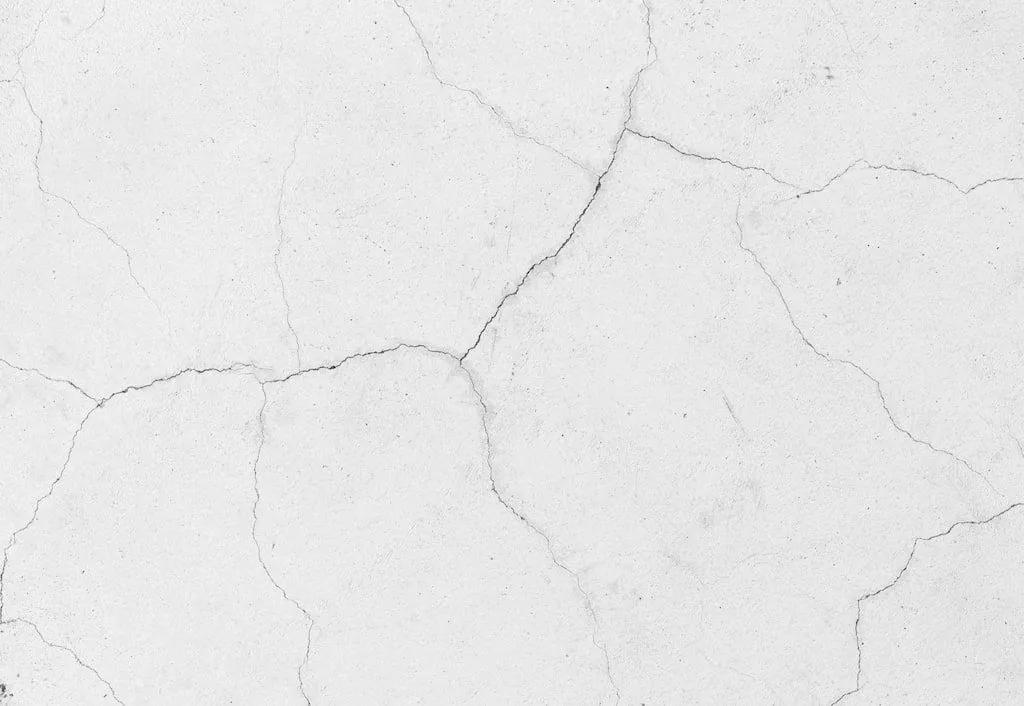
Why Do Wall Cracks Keep Coming Back? Simple Reasons and Fixes
Your wall cracks disappear after a fresh coat of plaster or putty, only to reappear months later. Sounds familiar? You’re not alone. Wall cracks are one of the most common home issues, but the frustrating part isn’t the crack itself, it’s how it keeps coming back.
Whether it’s a thin line near the ceiling, a diagonal mark around a window, or a long split across a wall, every crack tells a story. And until you fix what’s behind that story, it’s going to keep returning.
Let’s break down why this happens, what each type of crack really means, and the right way to repair them so they don’t reappear.
Understanding the Real Cause Behind Reappearing Cracks
Not all cracks are the same, and neither are their causes. Some are harmless; others warn of deeper structural or moisture issues. The key is knowing what’s what.
🧱 Common reasons wall cracks return:
- Shrinkage: Happens when plaster or cement dries too fast. These are thin hairline cracks that reappear because the surface layer wasn’t cured properly the first time.
- Settlement: When the building settles or the soil underneath shifts, cracks form along corners, doors, or windows. If not repaired with flexibility in mind, they reopen.
- Thermal expansion: Walls expand in heat and contract in cold. Without an expansion joint or flexible filler, paint and plaster eventually split again.
- Moisture damage: Seepage from roofs, bathrooms, or external walls weakens plaster from behind, causing cracks to re-emerge no matter how many times you patch the surface. Persistent bathroom moisture is one of the biggest culprits behind wall damage – a good bathroom deep cleaning can help prevent hidden dampness and mold that lead to cracks.
- Poor workmanship: Skipping primer, using cheap putty, or failing to fill the depth properly often means your repair is only “skin deep.”
👉 Think of cracks like symptoms, plastering over them is treating the fever, not the infection.
The Different Types of Cracks and What They Mean
Each crack pattern gives away a clue about its cause, and how you should treat it.
Type of Crack
How It Looks
Likely Cause
Severity
Fix Approach
Hairline cracks
Thin, random lines
Plaster shrinkage
Low
Fill with flexible crack filler and repaint
Vertical cracks near doors/windows
Straight or diagonal
Settlement
Medium
Rake open, fill with polymer mortar
Horizontal cracks
Long, even lines
Structural or load stress
High
Structural check, replaster with mesh
Damp cracks
Dark, flaky edges
Water seepage
Medium to high
Fix leakage, dry wall, recoat with waterproof putty
Ceiling corner cracks
Between wall & ceiling
Thermal or vibration stress
Medium
Use acrylic sealant + repaint
By correctly identifying the type—especially with tricky spots like ceiling cracks near beams—you’re already halfway to a permanent fix. If your flooring around cracked walls looks dull or stained, consider marble polishing to restore shine and prevent seepage through porous stone surfaces.
Why Temporary Fixes Don’t Last
Most homeowners (and even painters) patch cracks using regular wall putty, primer, or paint. But those materials don’t expand or contract with the wall- they just cover the damage.
When humidity or temperature changes, the wall moves slightly, and that rigid patch splits open again.
Another common mistake: painting over damp or newly plastered walls before they’ve fully dried. The trapped moisture later expands and breaks the new surface.
A long-lasting repair always needs three steps:
- Diagnose the root cause (settlement, moisture, or thermal stress).
- Use the right filler or compound (polymer-based or acrylic for flexibility).
- Finish with sealing and waterproofing. After repair, a professional interior painting service ensures even finish, better wall protection, and sealing against minor surface imperfections.
💡 Pro Tip: Never skip curing or drying time between layers. Rushing is the fastest way to invite cracks back.
Fixing the Problem the Right Way
Here’s how professionals approach recurring wall cracks for long-term results:
Step 1: Inspection
A professional inspects not just the crack but nearby joints, damp spots, and plaster bulges. During inspection, hidden wall termites are often discovered – scheduling termite pest control early prevents long-term hollowing and surface cracks. This helps identify whether it’s structural, moisture-related, or cosmetic.
Step 2: Cleaning and Opening
The crack is widened slightly (“raked open”) to remove loose plaster and dust. This ensures that the filler bonds deep into the surface.
Step 3: Filling
Depending on the damage, experts use polymer-modified mortar, flexible crack fillers, or epoxy sealants. These expand and contract with the wall, preventing re-cracking.
Step 4: Reinforcement (if needed)
For larger or recurring cracks, a fiberglass mesh is embedded into the filler. It distributes stress evenly across the wall, stopping cracks from spreading. In tiled areas where wall gaps often reappear, grouting services seal weak points and protect against moisture seepage that leads to future cracks.
Step 5: Sealing and Finishing
Once dry, the wall is sealed using waterproof putty or primer, then repainted with high-quality exterior/interior paint. For moisture-prone areas, professionals also recommend a waterproof coating on the outer wall.
👉 Fun fact: In India’s monsoon-heavy zones, 80% of “reappearing” cracks trace back to ignored waterproofing, not structural faults.
The Final Word: Stop Fixing Cracks, Start Preventing Them
Cracks will keep coming back if you only fix what you see. The real cure lies beneath, poor curing, moisture, or weak base layers.
If your wall shows the same marks every few months, it’s time to look beyond surface repair. Address the cause, not just the crack.
At Clean Fanatics, our professionals don’t just fill cracks, they find out why they formed. At Clean Fanatics, we show you how to renovate smarter by combining wall crack filling and waterproofing to protect your home from recurring damage once and for all.
FAQs
Because paint only hides the crack; it doesn’t seal or reinforce it. The underlying moisture or expansion issue reopens the surface.
Yes, for small, dry cracks you can use acrylic crack filler. But if they return or grow, call a professional to check for deeper issues.
If it’s wider than 2mm, runs diagonally, or appears near doors and beams, it may indicate structural movement. Get it inspected.
Excess moisture weakens plaster and causes expansion. When the wall dries later, it contracts and forms cracks.