
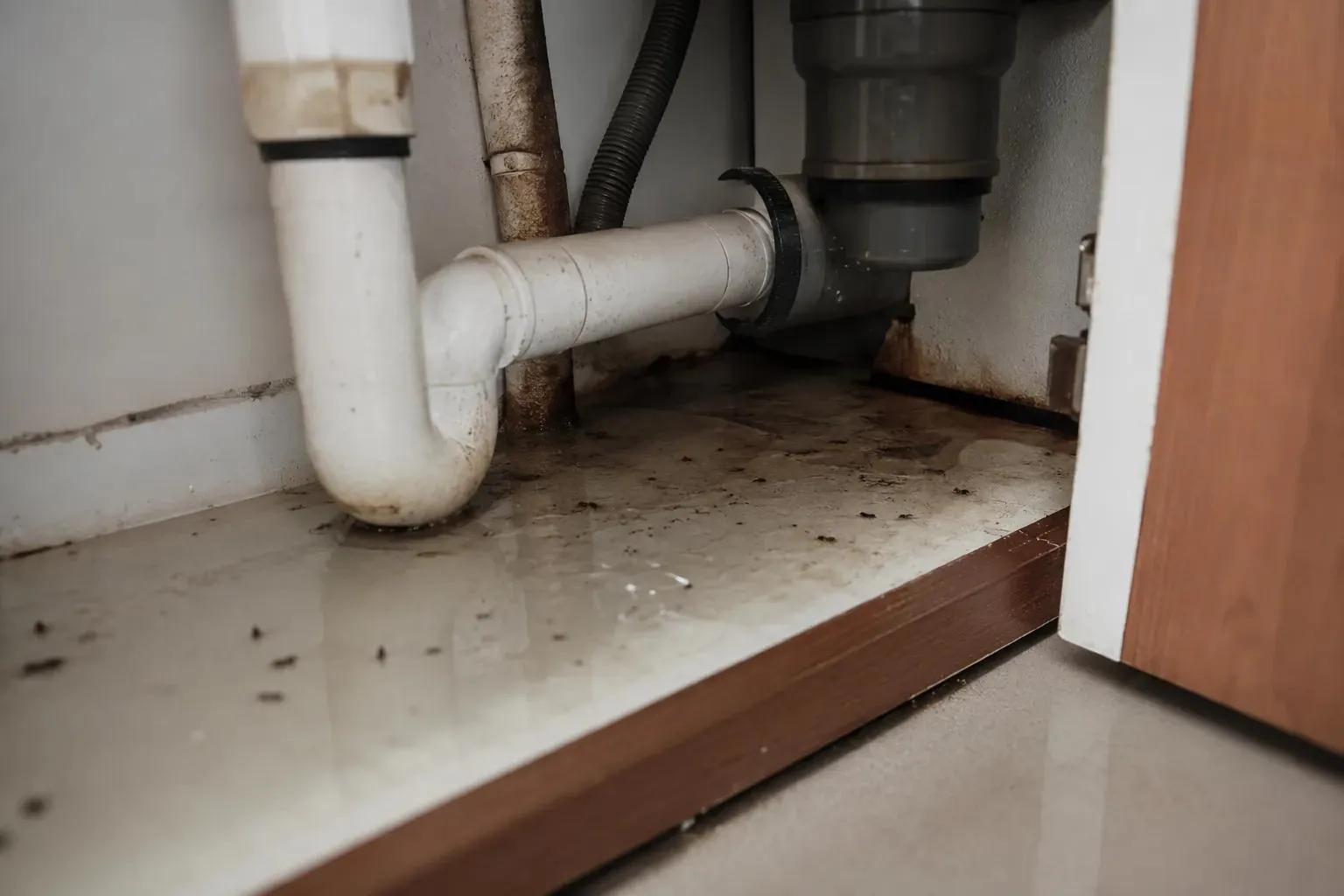
How Plumbing Leaks Can Lead to Pest Infestations
In short: Plumbing leaks create moisture that attracts pests like cockroaches, ants, termites, and silverfish. Fixing leaks quickly, reducing dampness, and combining regular deep cleaning with pest control can help prevent infestations before they become a bigger problem.
A dripping tap or a small leak under the sink might not seem like a big deal. You may think it’s just wasting a little water until you suddenly notice cockroaches in the bathroom, ants near the sink, or silverfish hiding in damp corners.
So, can plumbing leaks attract pests? The short answer is yes.
Many household pests are drawn to moisture just as much as they are to food. Hidden plumbing leaks can create the perfect environment for insects and rodents to survive, breed, and settle into your home. Understanding this connection can help you stop a small plumbing issue from turning into a much bigger pest problem.
Why Do Plumbing Leaks Attract Pests?
Most pests look for three things – food, water, and shelter. A plumbing leak can provide two of them at once by creating a reliable water source and a damp place to hide.
Here are some of the most common ways leaks attract pests:
- Standing water: Water collecting beneath sinks, behind toilets, or around washing machines attracts pests looking for hydration.
- Damp and humid spaces: Moisture encourages mould and mildew, creating conditions that many insects prefer.
- Hidden shelter: Leaking pipes inside walls, cabinets, or under floors create dark, undisturbed spaces where pests can thrive.
- Softened wood: Constant moisture can weaken wooden furniture, door frames, or cabinets, making them more attractive to termites.
- Easy access: Gaps around plumbing pipes often act as entry points for insects and even rodents.
A small leak may not seem urgent, but over time it can create an ideal habitat for unwanted visitors.
Which Pests Are Commonly Attracted to Plumbing Leaks?
Different pests are attracted to moisture for different reasons. Knowing what you’re dealing with can help you take the right action.
- Cockroaches: Often found under kitchen sinks, bathroom cabinets, and near leaking pipes because they need regular access to water.
- Ants: While they’re usually associated with food, many species are also attracted to damp areas, especially during the monsoon.
- Silverfish: These insects thrive in humid bathrooms, laundry rooms, and storage spaces with poor ventilation.
- Termites: Damp wood is easier for termites to infest, making long-term leaks particularly risky around wooden fixtures.
- Rodents: Leaks can provide a dependable water source, especially when combined with easy access to food and shelter.
If you’ve noticed pests gathering around your kitchen, bathroom, or utility area, it’s worth checking for hidden leaks before assuming cleanliness is the issue.
How to Prevent Pest Infestations Caused by Plumbing Leaks
The best way to prevent moisture-related pest problems is to address the cause before pests settle in.
Here are a few practical steps:
- Repair leaking taps, pipes, and fixtures as soon as possible.
- Check under sinks and behind appliances for hidden moisture.
- Keep bathroom and kitchen areas well ventilated to reduce humidity.
- Avoid allowing water to collect around drains or utility spaces.
- Seal gaps around plumbing pipess where pests may enter.
- Schedule regular plumbing inspections, especially in older homes.
- Deep clean kitchens and bathrooms regularly to remove food residue, grease, and grime that can attract pests alongside moisture.
These simple habits reduce both the water and food sources that pests rely on.
When Fixing the Leak Isn’t Enough
Repairing a plumbing leak removes one of the biggest reasons pests are attracted to your home, but it may not solve an existing infestation.
If cockroaches, ants, or other pests have already established nests inside wall cavities, under cabinets, or around damp areas, they’ll often continue to appear even after the leak has been repaired.
That’s why it’s important to understand the role of different services.
Plumbing repairs stop the moisture problem. Deep cleaning removes hidden grease, food residue, mould, and dirt that may continue attracting pests. Professional pest control targets the insects or rodents already living in your home.
Using these solutions together addresses both the cause of the problem and the infestation itself, making it far less likely that pests will return.
Final Word
A plumbing leak is more than just a maintenance issue. It can quietly create the damp conditions that many household pests need to survive. By fixing leaks early, keeping moisture under control, and maintaining a clean home, you can greatly reduce the risk of pest infestations. If pests continue to appear despite these efforts, it’s a sign that professional pest control may be needed alongside plumbing repairs and deep cleaning.
fAQs
Yes. Cockroaches are attracted to damp areas because they need water to survive and are commonly found near leaking pipes and sinks.
Yes. Moisture softens wood, making it more vulnerable to termite activity and damage over time.
Fixing the leak removes the moisture source, but it may not eliminate pests that have already established a nest. Additional pest control may be required.
Leaks, condensation, food residue, and dark enclosed spaces make under-sink cabinets an attractive hiding place for many pests.
Yes. Deep cleaning removes hidden food residue, grease, mould, and grime that attract pests. Combined with timely plumbing repairs and pest control when necessary, it helps create a healthier, less pest-friendly home.