
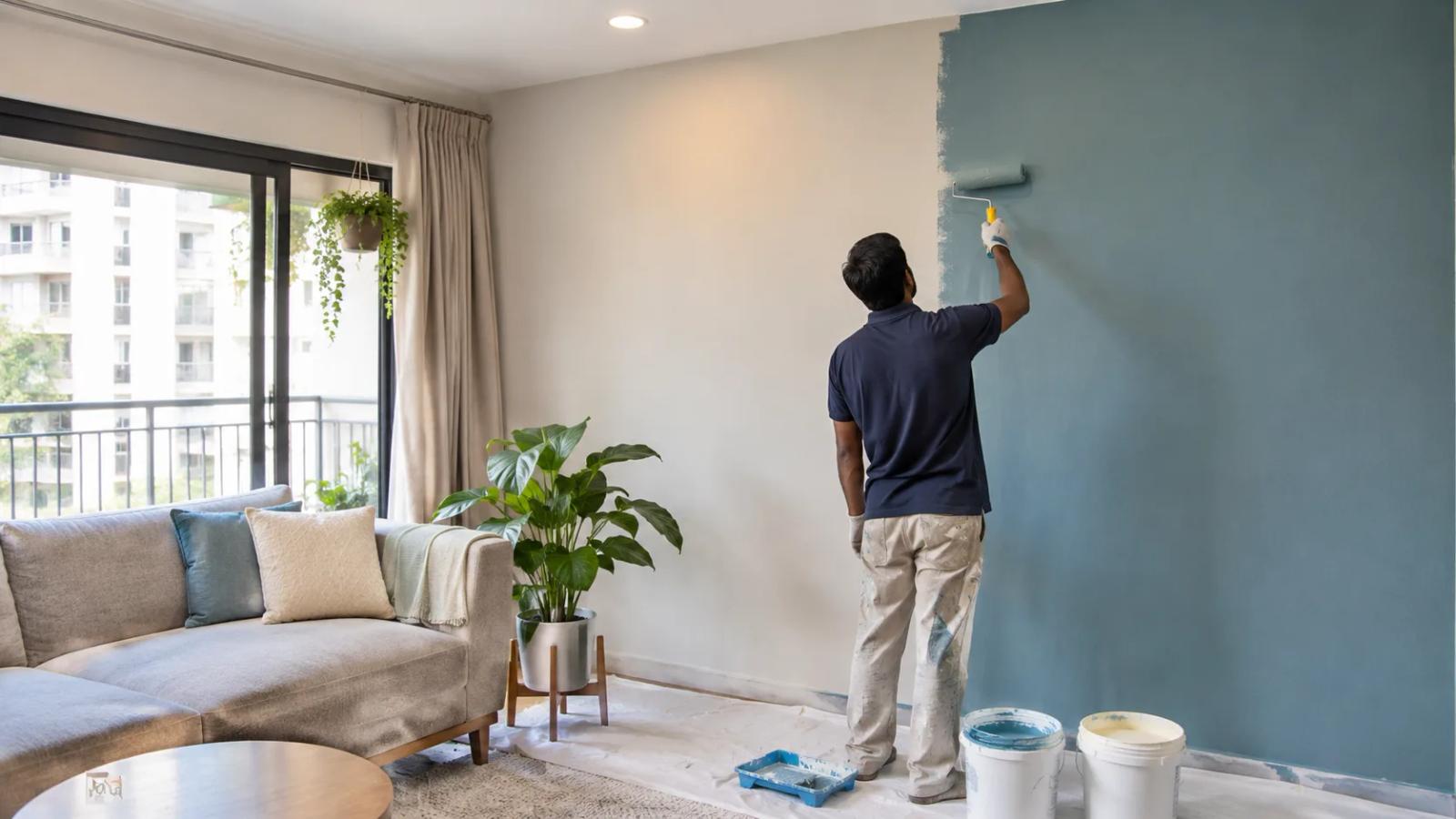
Which Paint Is Best for Interior Walls?
The best paint for most interior walls is emulsion, because it is water-based, strong, washable and easy to maintain. Enamel suits kitchens and bathrooms, distemper is an inexpensive choice for temporary use, and lustre is a luxury choice for feature walls.
Key Takeaways
- Choose the right kind of paint based on durability, washability, and appearance.
- Emulsion paint is suitable for most interior walls as it is strong and easy to maintain.
- Matte, satin, and gloss are all used for different reasons; pick according to your needs.
Introduction
Selecting the ideal paint for interior walls is essential to maximize beauty, durability, and ease of maintenance. With so many types, choosing the best paint for interior walls can be confusing. In this guide, we simplify the types of paint, what to look for, and expert advice, so you can make the most suitable decision.
Types of interior wall paints
| Distemper | Pros: inexpensive, available in different colors | Cons: non-washable, color fades immediately | Ideal for: temporary decor, rental homes |
|---|---|---|---|
| Emulsion | Pros: waterproof, washable, durable | Cons: costlier than distemper | Ideal for: bedrooms, living rooms, congested areas |
| Enamel | Pros: highly durable, simple to maintain | Cons: pungent odor, takes longer to dry | Ideal for: kitchen, bathroom, metal/wooden surfaces |
| Lustre | Pros: gorgeous appearance, cleanliness, extremely durable | Cons: expensive, professional use | Ideal for: luxury interiors, feature walls |
1. Distemper Paint:
Generally considered an inexpensive alternative, distemper paint is used for temporary purposes. It provides a flat finish but is less durable compared to other paints, often making it more susceptible to the common causes of peeling paint.
✔ Pros: Inexpensive, available in different colors.
❌ Cons: Non-washable, color fades immediately.
Ideal for: Temporary decor, rental homes.
2. Emulsion Paint:
Emulsion paint is water-based and very resistant, which makes it one of the best choices for interior walls. It’s also easy to clean and stain-resistant.
✔ Benefits: Waterproof, washable, durable.
❌ Cons: Costlier than distemper.
Suitable for: Bedrooms, living rooms, congested areas.
3. Enamel Paint:
Enamel paint is shiny and water- and stain-proof both water-proof and stain-proof. It dries more slowly and has very strong fumes, though.
✔ Advantages: Highly durable, simple to maintain.
❌ Cons: Pungent odor, takes longer to dry.
Ideal for: Kitchen, bathroom, metal/wooden surfaces.
4. Lustre Paint:
Lustre paint gives a rich finish and is resistant to wear, hence a luxury choice for interiors.
✔ Benefits: Gorgeous appearance, cleanliness, and extremely durable.
❌ Cons: Expensive, professional use.
Best for: Luxury interiors, feature walls.
Factors to Consider When Choosing Paint
Finish Types
- Matte Finish: Light-absorbing, hides wall imperfections, ideal for use in bedrooms.
- Eggshell & Satin Finish: Low sheen, suitable for medium traffic rooms.
- Semi-Gloss & Gloss Finish: Glossy, ideal for doors, trims, and kitchens.
Durability and washability
For the best washable interior paint, choose enamel or emulsion in areas where stains and dirt regularly occur.
Color Choice
- Light colours create spaciousness
- Dark colors are warm and inviting.
- Popular two-tone pairings increase aesthetic appeal and serve as innovative interior painting ideas to transform your home.
Check Out: Top 10 Two-wall Color Combinations to Brighten Your Home
Low VOC (Volatile Organic Compounds) paints ensure better air quality and are eco-friendly. Choose brands that prioritize sustainability.
Top Paint Brands and Recommendation
- Asian Paints
Top Interior Paints: Royale Luxury Emulsion, Tractor Emulsion Advanced.
Key Characteristics: Washability, antibacterial properties, excellent finish.
- Berger Paints
Best Interior Paints: Silk Glamor, Easy Clean, Breathe Easy.
Key Strengths: Low VOC, stain resistance, smooth finish.
- Other Top Brands
Dulux Velvet Touch, Nerolac Beauty Gold, and Indigo Interior Emulsion are also suitable for interior wall painting of good quality.
Textured Wall Paints
- Textured paint brings personality and life to walls, which look beautiful. Typical textures include: Metallic, Rustic, Marble, Stucco, and Brush Effect.
- Best Uses: Bedroom accent walls, living room accent walls, and feature walls.
- Application Tip: To achieve the best results, learn how to paint textured walls using special tools like rollers, combs, and sponges for unique effects.
Application Tips for Best Results
- Prepare the Surface: Sand, clean, and prime the walls prior to painting.
- Use the Right Equipment: Utilize high-quality brush, roller, or spray gun for a smooth finish.
- Apply in Thin Coats: Several thin coats allow for better adhesion and durability.
- Provide Adequate Drying Time: Use manufacturer guidelines for drying between coats to ensure a long-lasting finish and understand the importance of repainting correctly.
- Ventilate the Area: Give the area good airflow to reduce pungent paint smells and allow for drying.
Conclusion
Choosing the best paint for interior walls ultimately depends on durability, finish, and overall aesthetic appeal. With traditional emulsion, rich lustre, or contemporary textured paints, the right selection gives a resplendent and long-lasting interior.
Not sure which paint suits your walls? Talk to Clean Fanatics about professional painting services in Bangalore.
Frequently asked questions
Which paint is best for interior walls?
Emulsion paint is suitable for most interior walls because it is water-based, strong, washable and easy to maintain. Enamel suits kitchens and bathrooms, and lustre is a luxury choice for feature walls.
What type of paint should I use for interior walls?
The main types are distemper (inexpensive, for temporary decor and rental homes), emulsion (for bedrooms, living rooms and busy areas), enamel (for kitchens, bathrooms and metal or wooden surfaces) and lustre (for luxury interiors and feature walls). Choose by durability, washability and appearance.
Which interior paint is washable?
Emulsion and enamel are washable. Emulsion is easy to clean and stain-resistant, and enamel is highly durable and simple to maintain. Distemper is non-washable.
Is emulsion or distemper better for interior walls?
Emulsion is stronger, washable and durable, but it costs more than distemper. Distemper is inexpensive, but it is non-washable and its color fades quickly, so it suits temporary decor and rental homes.
Which finish is best for interior walls?
Matte hides wall imperfections and is ideal for bedrooms. Eggshell and satin have a low sheen and suit medium-traffic rooms. Semi-gloss and gloss are ideal for doors, trims and kitchens.
Which paint is best for kitchens and bathrooms?
Enamel paint is ideal for kitchens and bathrooms, and for metal or wooden surfaces. It is water-proof, stain-proof and highly durable, but it has a pungent odor and takes longer to dry.
Which brands make good interior wall paint?
Asian Paints (Royale Luxury Emulsion, Tractor Emulsion Advanced) and Berger Paints (Silk Glamor, Easy Clean, Breathe Easy) are two of them. Dulux Velvet Touch, Nerolac Beauty Gold and Indigo Interior Emulsion are also suitable for good-quality interior wall painting.
What is low VOC paint?
Low VOC (volatile organic compound) paints ensure better air quality and are eco-friendly. Choose brands that prioritize sustainability.
How do I paint interior walls for the best results?
Sand, clean and prime the walls first, use a high-quality brush, roller or spray gun, apply several thin coats, follow the manufacturer’s drying times between coats, and ventilate the area to reduce paint smells and help drying.