
At a Glance
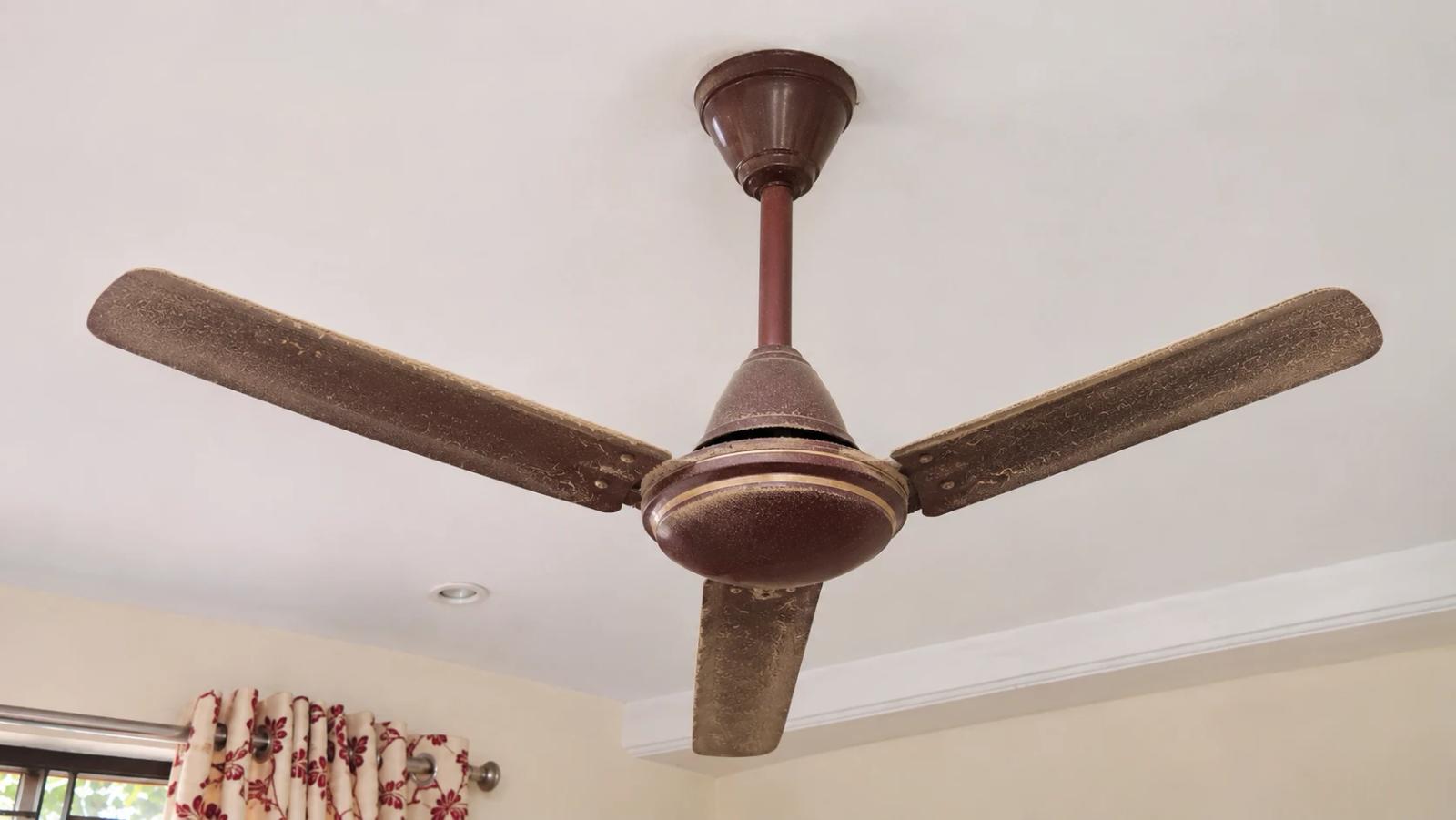
Why do ceiling fans collect so much dust? Air above the blades barely moves, so fine dust settles and sticks, and in kitchens an oily film makes it cling harder. Once a fan is dirty, spinning can fling dust into the room, and cleaning it carelessly drops that dust onto furniture below. Fans, light fixtures and cabinet tops should be cleaned first, with a method that traps dust instead of scattering it. This guide explains the causes, the spread and the safe way to clean.
Ceiling fans run for hours every day in most Bangalore homes, and the dust on them is easy to ignore because it sits out of sight. It is rarely noticed until the fan is switched on after a long break, or a layer falls onto a bed. High surfaces are also where dust gathers first and drops last. For the wider picture, see why a house gets dusty so fast.
Why Do Ceiling Fans Collect So Much Dust?
Ceiling fans collect so much dust because the air above the blades does not move the way the blades do, so fine dust settles on the top surface and stays there. The main reasons are:
- Still air above the blades lets dust settle on the top surface
- A thin sticky film on the blades helps dust cling
- Cooking oil in the air makes kitchen fans especially sticky
- Humidity and smoke turn loose dust into stubborn grime
- Fans left idle for months collect dust with nothing to disturb it
Dust that mixes with oil, smoke or damp becomes much harder to remove than dry dust, which is why fans in kitchens and near open windows get dirty faster.
Does a Dusty Ceiling Fan Spread Dust Around a Room?
A dusty ceiling fan spreads dust around a room, because spinning blades fling settled particles into the air and onto the surfaces below.
The effect is easiest to see when a fan is switched on after a long gap and a puff of dust falls. Dust that is stirred into the air settles again on furniture, floors and fabrics, which makes a room look dusty soon after cleaning. A dirty fan can undo a clean room in a few days.
Which High Surfaces Collect the Most Dust?
The high surfaces that collect the most dust are fan blades, light fixtures, the tops of cabinets and wardrobes, curtain rails and door frames, because they are rarely reached during routine cleaning. The usual hotspots are:
- The top of every fan blade and the motor housing
- Light fixtures, shades and tube lights
- The tops of wardrobes, cabinets and shelves
- Curtain rails, picture frames and door frames
- Switchboards and the tops of doors
Pro Tip: Run a finger along the top of a wardrobe or fan blade. If it comes away grey, that dust has been waiting to fall for months.
How to Clean a Ceiling Fan Safely
A ceiling fan is cleaned safely by switching it off, using a sturdy ladder and trapping the dust in a pillowcase or cloth so it does not fall into the room.
How to Clean Ceiling Fan Blades in 6 Steps
Fan blades are cleaned in six steps that keep the dust contained.
- Switch the fan off. Wait until the blades stop completely before starting.
- Use a sturdy step ladder. Never stand on a chair or table, and keep the reach comfortable.
- Slide a pillowcase over one blade. Press the blade between both hands and pull the case toward the tip, so dust is wiped into the case.
- Wipe away sticky film. Use a damp, well-wrung microfibre cloth on the top and bottom of each blade, with light pressure.
- Clean the motor housing and light. Wipe the housing, pull cords and fixtures, where a fine film collects.
- Empty and wash the pillowcase. Shake it outdoors and wash it so the dust is not carried back inside.
A damp microfibre cloth picks up the film that a dry cloth only moves around, as explained in microfibre vs cotton cloths. Spray should go on the cloth, not the blades, and blades should not be pressed hard, since that can bend them.
How to Clean a Greasy Kitchen Fan
A greasy kitchen fan is cleaned by wiping off loose dust first, then removing the sticky layer with a damp cloth and a little mild detergent, and repeating until the blades no longer feel tacky. Kitchen fans collect cooking oil as well as dust, so a dry pillowcase alone will not finish the job. A final wipe with a clean cloth stops residue attracting fresh dust.
What Should Be Avoided When Cleaning a Fan?
Spraying liquid on the blades, pressing hard, cleaning a moving fan and standing on unstable furniture should all be avoided when cleaning a fan. The common mistakes are:
- Spraying cleaner directly on the blades or near the motor, instead of onto the cloth
- Pressing hard on the blades, which can bend or warp them
- Starting while the fan is still turning
- Standing on a chair, table or stool instead of a proper ladder
- Using a dry duster that flicks dust back into the air
Why Should High Surfaces Be Cleaned First?
High surfaces should be cleaned first because dust falls as it is disturbed, so cleaning from top to bottom stops it landing on surfaces that are already clean. Fans and light fixtures come first, then shelves and furniture, and floors last. This top-to-bottom order is built into the house cleaning schedule.
How Often Should Ceiling Fans Be Cleaned?
Ceiling fans are commonly advised to be cleaned every one to two months in busy or dusty homes, and at least once a season elsewhere, with an extra clean after a long idle spell.
Bangalore homes near roads or building work, and kitchens with daily frying, sit at the shorter end. Fans that were off for months need cleaning before they are switched on. A light dusting between full cleans keeps the buildup from setting.
How to Keep Fans and High Surfaces Cleaner for Longer
Fans and high surfaces stay cleaner when they are cleaned before dust sets, when the room's dust load is kept down, and when deeper jobs are planned into a regular reset. Clean Fanatics offers home deep cleaning for the periodic reset, and the guide to how often a house should be deep cleaned explains the timing.
Want high surfaces and fans cleaned as part of a full home deep clean?
Frequently asked questions
Why do ceiling fans collect so much dust?
The air above the blades barely moves, so fine dust settles and sticks to the top surface. A thin film on the blades, cooking oil and humidity make it cling harder.
Do dirty ceiling fans spread dust?
Dirty ceiling fans spread dust, because spinning blades fling settled particles into the air. The dust then lands on furniture, floors and fabrics. Cleaning the fan regularly stops this.
What is the best way to clean a ceiling fan?
The pillowcase method is the simplest, because it traps dust inside the case instead of letting it fall. Slide the case over one blade and pull it toward the tip. A damp microfibre cloth then removes any sticky film.
How often should ceiling fans be cleaned?
Every one to two months in busy or dusty homes is commonly advised, and at least once a season elsewhere. Fans left idle for months should be cleaned before use.
How can a greasy kitchen fan be cleaned?
Wipe off loose dust first, then use a damp cloth with a little mild detergent to remove the sticky layer. Repeat until the blades no longer feel tacky, and finish with a clean dry cloth.
Should high surfaces be cleaned before the floor?
High surfaces should be cleaned first, because dust falls as it is disturbed. Cleaning fans, fixtures and shelves before floors means the dust lands on surfaces still to be cleaned.