
At a Glance
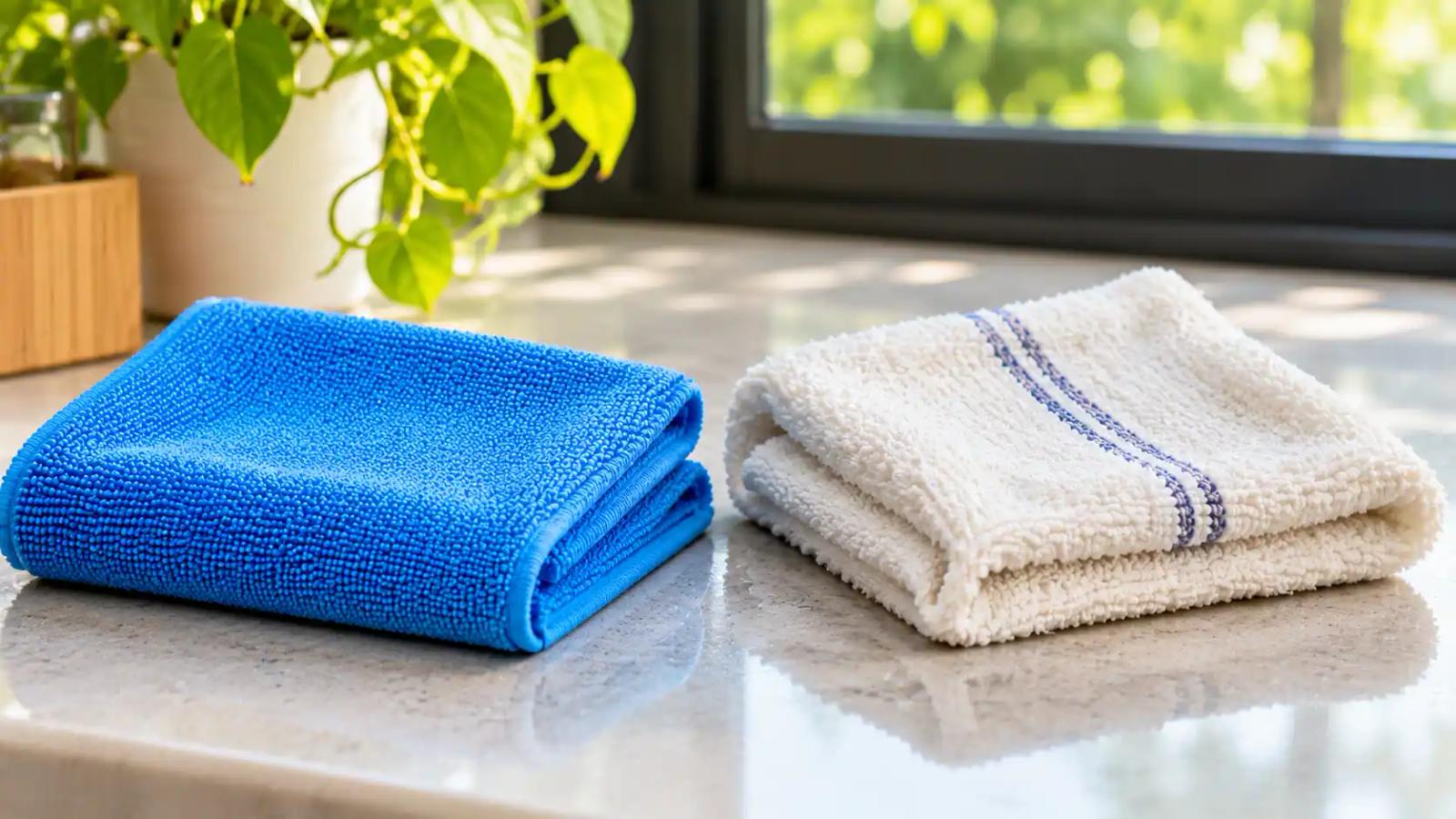
Microfibre vs cotton cloth comes down to fibre structure. Microfibre is made of split polyester and nylon fibres far thinner than a hair, which carry a static charge and trap dust and grease, while cotton is soft and absorbent but pushes more dirt around. Microfibre suits dusting, glass and damp mopping, and cotton still suits heavy wet jobs. Microfibre needs careful washing, with no fabric softener or bleach. This guide explains how each works and when to use which.
Two cloths can look alike and clean very differently. One lifts dust off a shelf and keeps it, while the other pushes it into the air to settle somewhere else. The difference lies in the fibre, and it affects dusting, floors, glass and even how much cleaner is needed. This guide compares the two and explains how to look after them. For what the dust is in the first place, see why a house gets dusty so fast.
How Does a Microfibre Cloth Work?
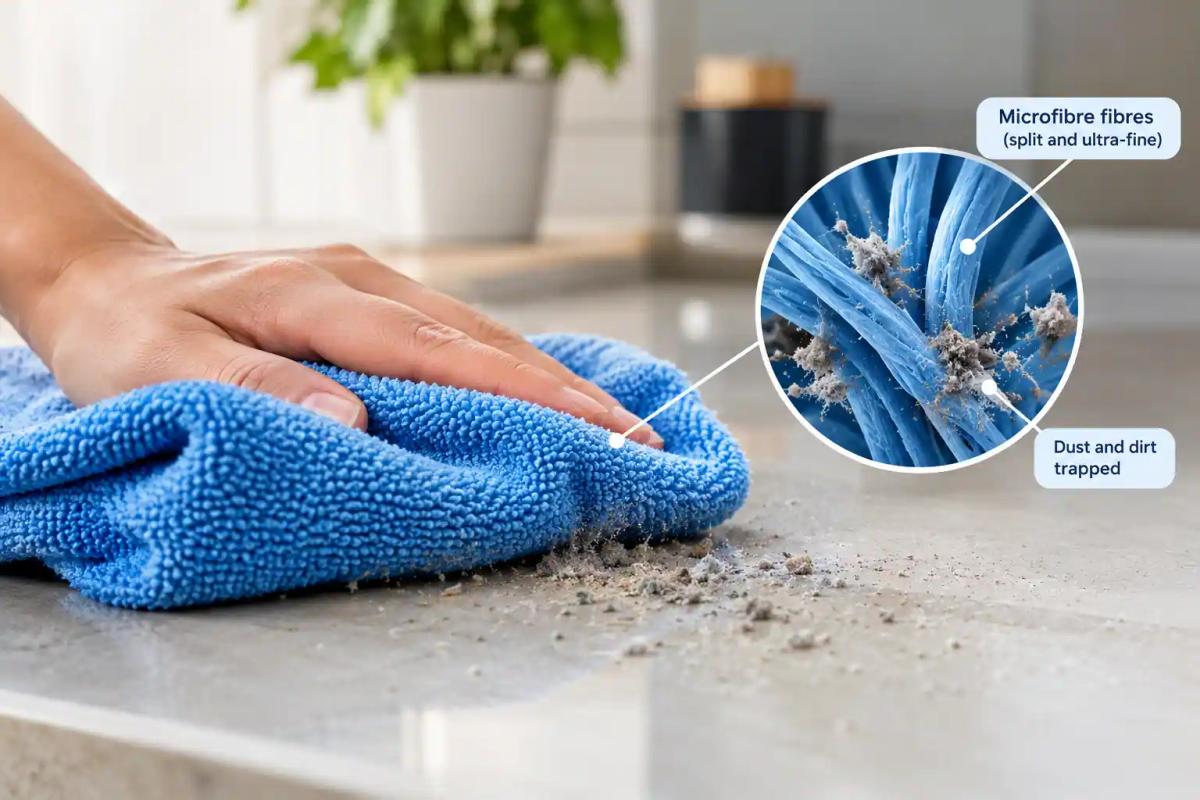
A microfibre cloth works by using millions of split, ultra-fine fibres that trap dust and grease in their tiny gaps and hold it with static charge until the cloth is washed.
Microfibre is made from polyester and nylon fibres that are split many times, which makes them far thinner than a human hair. The splitting gives the cloth a huge surface area, and it can hold several times its own weight in water. The fibres also build a static charge when moved across a surface, which attracts dust and keeps it in the cloth instead of releasing it. Quality varies, and finer splitting generally picks up more.
How Does a Cotton Cloth Work?
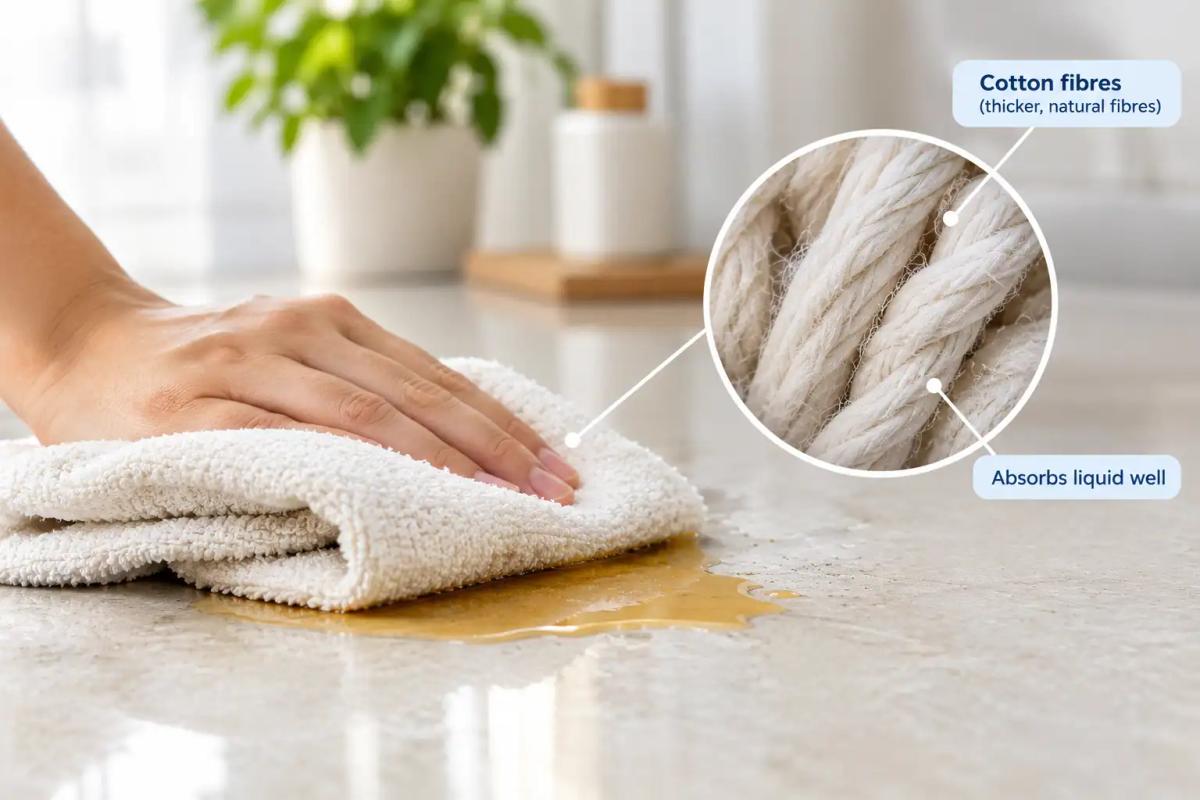
A cotton cloth works by absorbing liquid into thicker natural fibres, which makes it soft and good at soaking up spills but less effective at trapping fine dust.
Cotton rags and mops are the traditional choice in many Indian homes, and they handle spills and rough wet jobs well. Their larger fibres leave gaps that dust slips through, so dry cotton tends to move dust around. A wet cotton mop is heavy and slow to dry, and a damp cloth left lying about can turn sour. Cotton does tolerate hot washing and bleach, which microfibre does not.
Microfibre vs Cotton: What Is the Difference?
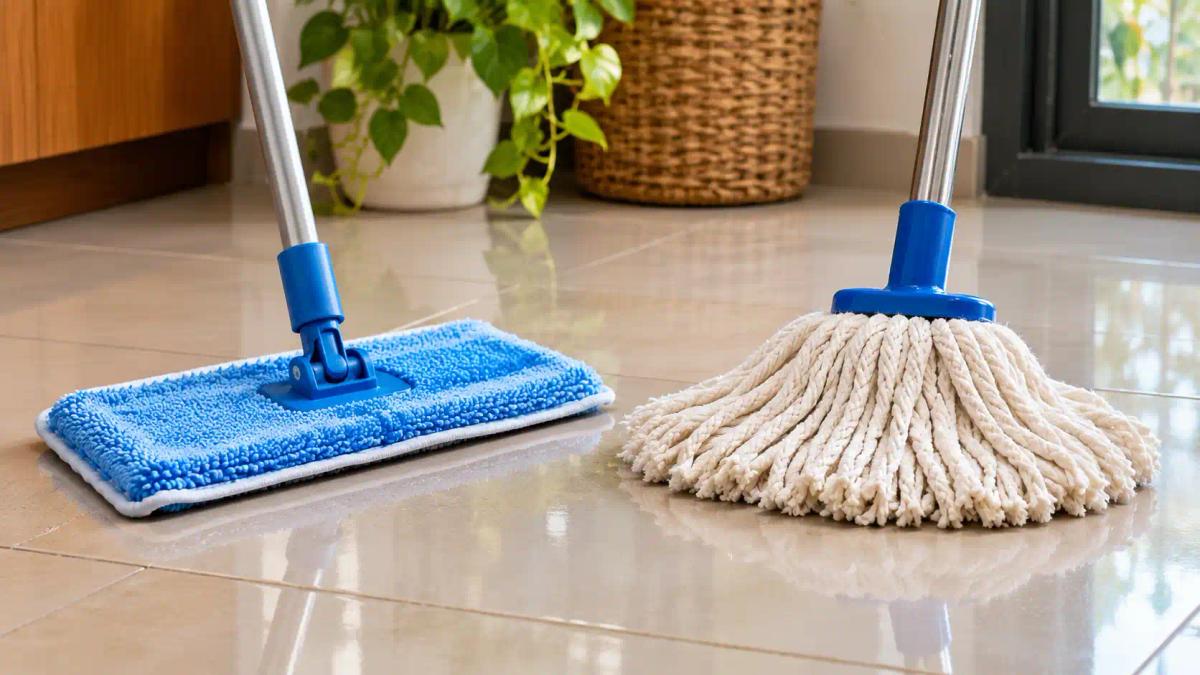
Microfibre traps more dust and dries faster, while cotton soaks up spills and is easier to wash hard, so each suits different jobs.
| Feature | Microfibre | Cotton |
|---|---|---|
| Dust and fine particles | Holds several times its weight | Absorbs well but gets heavy |
| Drying | Dries quickly | Dries slowly and can turn sour if left damp |
| Washing | Detergent only, low heat, no softener or bleach | Tolerates hot washing and bleach |
| Best for | Dusting, glass, damp mopping and counters | Heavy spills and rough wet jobs |
| Main care risk | Softener and heat ruin the fibres | Lint and slow drying |
Pro Tip: If a microfibre cloth leaves streaks or stops picking up dust, check for fabric softener residue before replacing it. Softener coats the fibres and cancels the static charge.
Which Cloth or Mop Suits Which Job?
Microfibre suits dusting, glass and everyday floor cleaning, cotton suits heavy spills, and separate cloths should be used for the kitchen and bathroom.
Which Cloth Is Best for Dusting?
A dry microfibre cloth is best for dusting, because its static charge holds dust instead of spreading it, and dusting works best completely dry, with no water or polish. A damp cloth can then lift sticky film from places such as fan blades, as covered in why ceiling fans collect so much dust. Cotton rags are fine for rough wiping but are less able to hold fine dust.
Which Cloth Is Best for Windows and Glass?

A clean damp microfibre cloth followed by a dry one is best for glass, because it lifts grime with little more than water and leaves fewer streaks. A cloth that is already dirty or full of softener residue is the usual cause of streaks.
Which Mop Is Best for Floors?
A well-wrung microfibre mop suits most hard floors, because it leaves less water behind and dries faster, while a cotton mop holds more water and can leave a film on glossy floors. The mop should be damp, not wet, and stone and wood need the least water. Residue problems are explained in why a floor is sticky after mopping.
Should Different Cloths Be Used in the Kitchen and Bathroom?
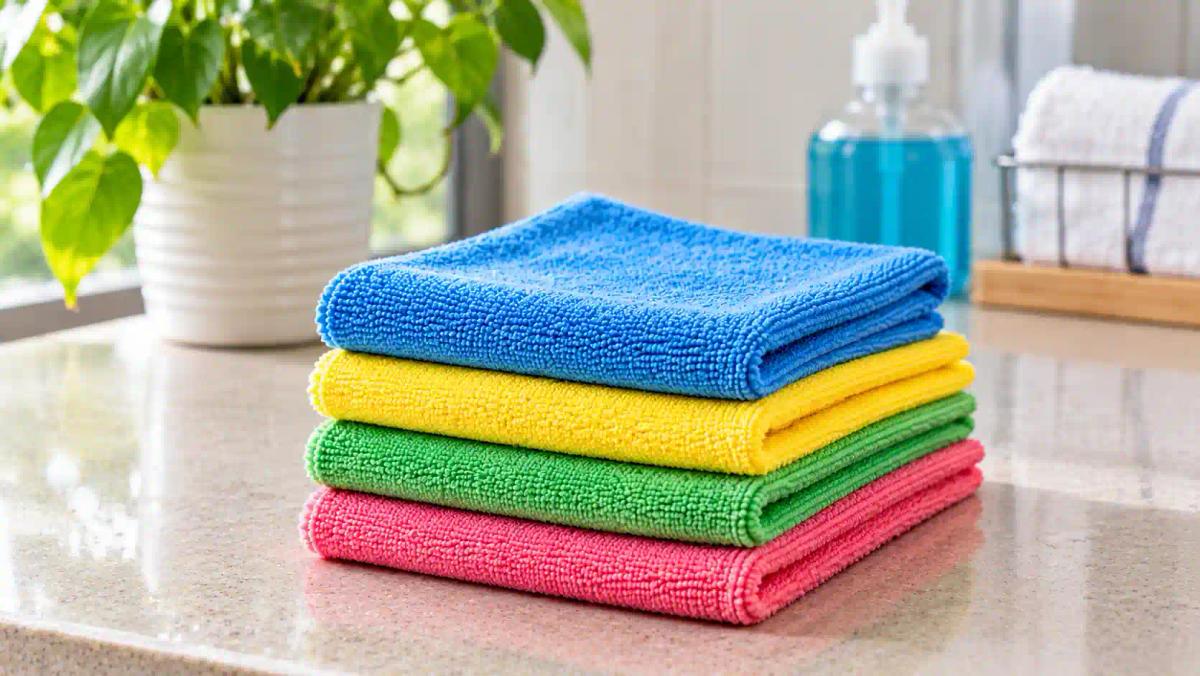
Different cloths should be used in the kitchen and bathroom, because a cloth that has touched a toilet area carries dirt and germs to other surfaces. Colour coding makes this easy: one colour for the bathroom, one for the kitchen and one for general dusting. Each should be washed after use.
How to Wash and Care for Microfibre Cloths
Microfibre cloths are cared for by washing them after every use with detergent only, and drying them on low heat or in the air.
How to Wash Microfibre in 6 Steps
Microfibre keeps working when it is washed after every use, with detergent only and low heat.
- Wash after every use. A dirty, damp cloth breeds bacteria and locks old grime into the fibres.
- Wash with other microfibre only. Lint from cotton and other fabrics clogs the fine fibres.
- Use detergent, not fabric softener. Softener contains oils that coat the fibres and cancel the static charge.
- Skip the bleach. Bleach damages the fibres and shortens the life of the cloth.
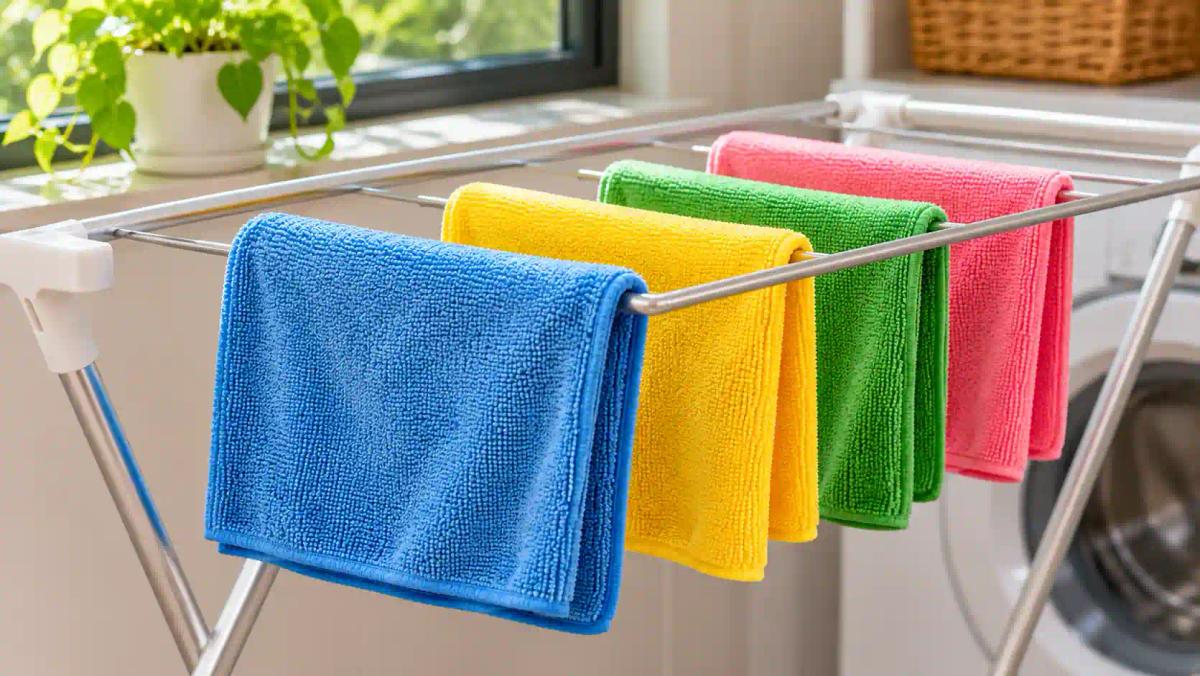
- Dry on low heat or hang to dry. High heat can melt or damage the fibres.
- Replace worn cloths. A matted cloth that no longer picks up dust has done its job.
What Mistakes Make Cloths and Mops Less Effective?
The mistakes that make cloths and mops less effective are mostly about moisture and washing, not the cloth itself.
- Using fabric softener on microfibre
- Soaking a microfibre mop pad with water or cleaner
- Reusing a dirty cloth or mop head
- Storing cloths damp
- Using one cloth for the whole house
How to Choose Between Microfibre and Cotton
Microfibre is the better everyday choice for dusting, glass and damp mopping, and cotton stays useful for heavy spills and rough jobs. Whichever is used, a clean cloth and the right amount of product matter more than the material. These tool choices fit into the wider guide to home cleaning products and methods. Clean Fanatics offers home deep cleaning and a maid service in select Bangalore areas for homes that prefer help.
Want a home cleaned with the right tools and methods?
Frequently asked questions
Is microfibre better than cotton for cleaning?
Microfibre is better for dusting, glass and everyday damp cleaning, because it traps fine dust and dries quickly. Cotton is better for heavy spills and rough wet jobs. Neither works well if it is dirty.
Why does a microfibre cloth leave streaks?
A microfibre cloth usually leaves streaks because it is too wet, dirty or coated with fabric softener residue. Wringing it out, using a clean cloth and washing without softener fixes most cases.
Can fabric softener be used on microfibre cloths?
Fabric softener should not be used on microfibre, because the oils in it coat the fibres and cancel the static charge that picks up dust. Detergent alone is enough.
How should microfibre cloths be washed?
Wash microfibre after every use, only with other microfibre, using detergent and no bleach or softener. Dry it on low heat or hang it up, since high heat can damage the fibres.
Is a microfibre mop better than a cotton mop?
A microfibre mop is usually better for hard floors, because it picks up more dirt, leaves less water and dries faster. A cotton mop holds more water and is heavier. The mop should be damp, not wet.
Can one cloth be used for the whole house?
One cloth should not be used for the whole house, because it carries dirt and germs from one area to another. Separate cloths for the bathroom, kitchen and dusting are safer.